



AD
RACTOPAMINE HCL(CAS: 97825-25-7)
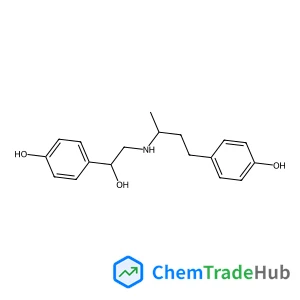
CAS Number
Related Products
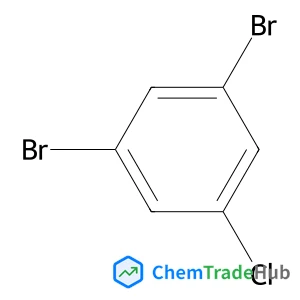
1,3-DIBROMO-5-CHLOROBENZENE
CAS Number: 14862-52-3
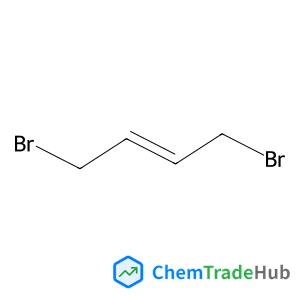
1,4-DIBROMO-2-BUTENE
CAS Number: 821-06-7
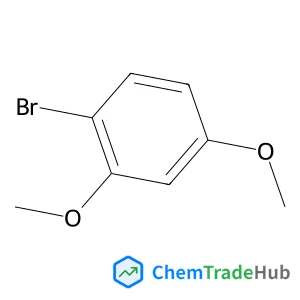
1-BROMO-2,4-DIMETHOXYBENZENE
CAS Number: 17715-69-4
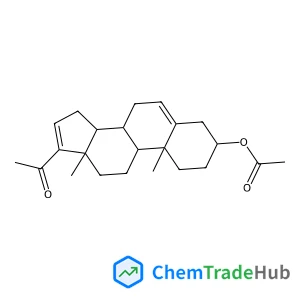
16-DEHYDRO PREGNENOLONE ACATATE (16-DPA)
CAS Number: 979-02-2
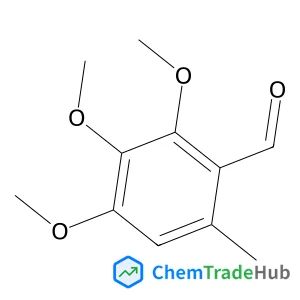
2,3,4-TRIMETHOXY-6-METHYLBENZALDEHYDE
CAS Number: 22838-85-3
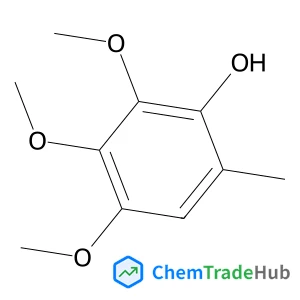
2,3,4-TRIMETHOXY-6-METHYLPHENOL
CAS Number: 39068-88-7
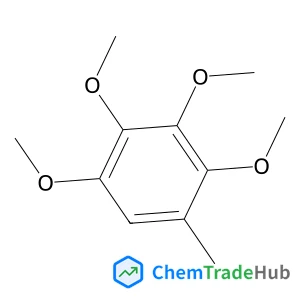
2,3-DIMETHOXY-5-METHYL-1,4-BENZENEDIOL
CAS Number: 35896-58-3
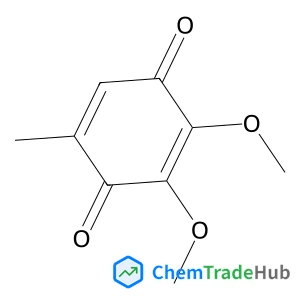
2,3-DIMETHOXY-5-METHYL-1,4-BENZOQUINONE
CAS Number: 605-94-7
Other Suppliers for RACTOPAMINE HCL



Basic Information
Molecular Formula
C18H23NO3
Molecular Weight
301.39 g/mol
Physical Properties
Melting Point
165-167°C
Density
1.189
Chemical Identifiers
SMILES
CC(CCC1=CC=C(C=C1)O)NCC(C2=CC=C(C=C2)O)O
InChIKey
YJQZYXCXBBCEAQ-UHFFFAOYSA-N
Database References
MDL Number
MFCD00870322
FAQ
Ractopamine (CAS: 97825-25-7) is regulated under various guidelines in different regions. Globally, it is classified as a hazardous substance according to the GHS system. In the EU, it is regulated under REACH and classified as an aquatic toxicant. FDA and EPA in the US have specific requirements for its use in animal feed and residue levels in meat. Producers and users must comply with these regulations to ensure safety and compliance.
Yes, there are alternatives to Ractopamine (CAS: 97825-25-7) in animal feed, such as zilpaterol and clenbuterol. These alternatives are designed to promote lean meat growth and improve feed efficiency. However, each alternative has its own regulatory framework and potential side effects, making careful consideration and testing necessary for their implementation.
The market for Ractopamine (CAS: 97825-25-7) is currently facing scrutiny due to concerns over animal welfare and public health. Research trends are shifting towards finding safer alternatives and improving the understanding of its effects. However, it remains a significant product in the livestock industry due to its proven efficacy in promoting lean meat growth. Market trends indicate a need for more sustainable and regulatory-compliant practices.
Waste containing Ractopamine (CAS: 97825-25-7) should be handled with care to prevent environmental contamination. Waste should be collected in appropriate containers and disposed of through incineration or professional waste disposal services. Environmental protection measures include ensuring that the waste is not released into water bodies and that the disposal methods comply with local regulations. Proper training and safety protocols should be followed to handle and dispose of the waste safely.
Safety Notice
Please verify product specifications and safety data before use. Contact the supplier for detailed safety information.
Always follow proper handling procedures