



AD
Oils, linaloe(CAS: 8006-86-8)
CAS Number
Related Products
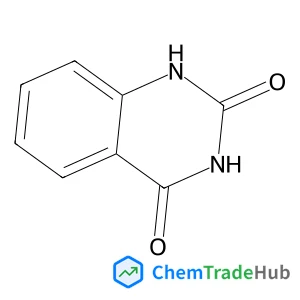
2,4(1H,3H)-Quinazolinedione
CAS Number: 86-96-4
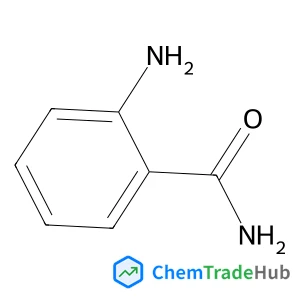
Anthranilamide
CAS Number: 88-68-6
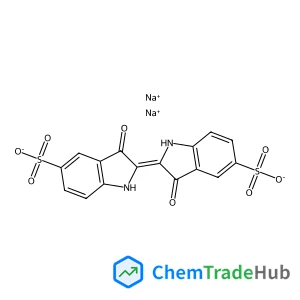
Indigo carmine
CAS Number: 860-22-0
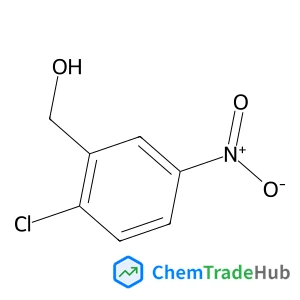
(2-Chloro-5-nitrophenyl)methanol
CAS Number: 80866-80-4
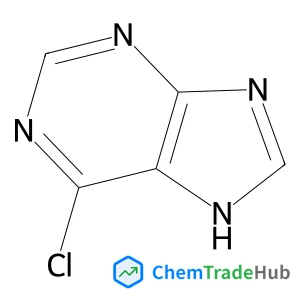
6-Chloro-7H-purine
CAS Number: 87-42-3
![1-Hydroxy-4-[(4-methylphenyl)amino]-9,10-anthraquinone](https://static.chemtradehub.com/structs/81-/81-48-1-18b4.webp)
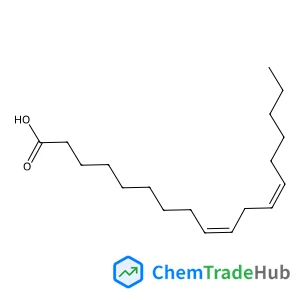
(9Z,12Z)-9,12-Octadecadienoic acid
CAS Number: 8024-22-4
![N-[(9H-Fluoren-9-ylmethoxy)carbonyl]-D-tryptophan](https://static.chemtradehub.com/structs/861/86123-11-7-787a.webp)
Grapefruit oil
CAS Number: 8016-20-4
Other Suppliers for Oils, linaloe



Basic Information
Molecular Formula
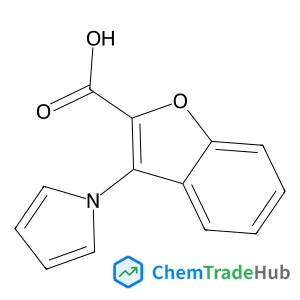
C13H9NO3
Molecular Weight
227.22 g/mol
Chemical Identifiers
SMILES
O1C(C(=O)O)=C(C2C=CC=CC1=2)N1C=CC=C1
InChIKey
YCTXQBNFNACZHO-UHFFFAOYSA-N
FAQ
Oils, linaloe (CAS: 8006-86-8) should comply with the Globally Harmonized System of Classification and Labelling of Chemicals (GHS) for hazardous chemicals. Additionally, it is subject to the European Union's Registration, Evaluation, Authorisation and Restriction of Chemicals (REACH) regulations, which require registration for substances above a certain tonnage. In the United States, the Food and Drug Administration (FDA) and the Environmental Protection Agency (EPA) may have specific requirements regarding its use in cosmetics and environmental releases, respectively.
Alternatives to Oils, linaloe (CAS: 8006-86-8) in synthesis include synthetic linalool and other natural oils such as ylang-ylang oil. These alternatives can be used as substitutes in various applications due to their similar chemical properties. However, the choice of alternative depends on the specific requirements of the synthesis and the desired product characteristics.
The market for Oils, linaloe (CAS: 8006-86-8) is driven by its use in cosmetics and fragrances. Recent research trends focus on its potential in natural and organic products, as well as its antimicrobial properties. Market trends show increasing demand for sustainable and eco-friendly ingredients, which supports the continued use and development of linaloe oils in the industry.
Waste containing Oils, linaloe (CAS: 8006-86-8) should be collected and disposed of in accordance with local hazardous waste regulations. It is advisable to minimize waste generation and consider recycling or reusing if possible. For disposal, professional waste management services should be used, and proper personal protective equipment (PPE) should be worn during handling. Environmental protection measures, such as containment and spill response procedures, should also be in place to prevent contamination of soil and water.
Safety Notice
Please verify product specifications and safety data before use. Contact the supplier for detailed safety information.
Always follow proper handling procedures
Contact Information
sales@shsschem.com