



AD
2,6-Dihydroxybenzaldehyde(CAS: 387-46-2)
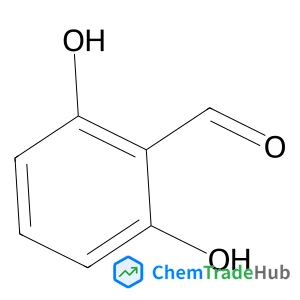
CAS Number
Related Products
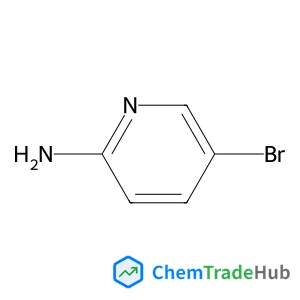
5-Bromo-2-pyridinamine
CAS Number: 1072-97-5
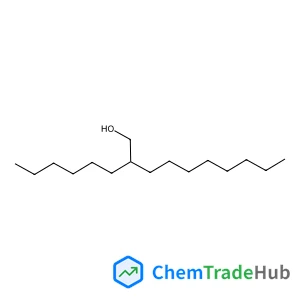
2-Hexyl-1-decanol
CAS Number: 2425-77-6
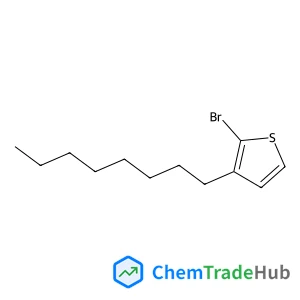
2-Bromo-3-octylthiophene
CAS Number: 145543-83-5
![2-Methyl-2-propanyl [(1R,2R)-2-amino-3,3-difluorocyclohexyl]carbamate](https://static.chemtradehub.com/structs/110/1109284-37-8-41b7.webp)
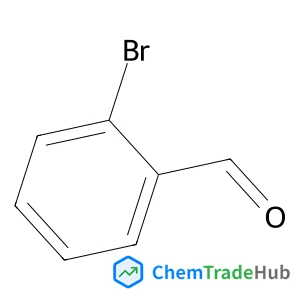
2-Bromobenzaldehyde
CAS Number: 6630-33-7
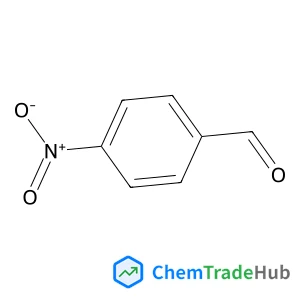
4-Nitrobenzaldehyde
CAS Number: 555-16-8
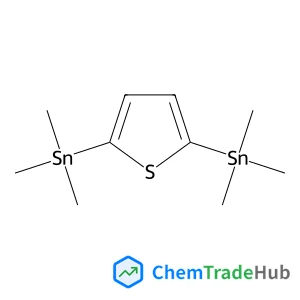
2,5-Thienediylbis(trimethylstannane)
CAS Number: 86134-26-1
![(3E)-6-Bromo-3-[6-bromo-1-(2-ethylhexyl)-2-oxo-1,2-dihydro-3H-indol-3-ylidene]-1-(2-ethylhexyl)-1,3-dihydro-2H-indol-2-one](https://static.chemtradehub.com/structs/114/1147124-23-9-d4f0.webp)
![3-(5-Bromothiophen-2-yl)-2,5-bis(2-ethylhexyl)-6-(thiophen-2-yl)pyrrolo[3,4-c]pyrrole-1,4(2H,5H)-dione](https://static.chemtradehub.com/structs/130/1308671-90-0-a205.webp)
Other Suppliers for 2,6-Dihydroxybenzaldehyde




Basic Information
Molecular Formula
C7H6O3
Molecular Weight
138.12 g/mol
Physical Properties
Melting Point
154-155 ºC
Boiling Point
223 ºC
Flash Point
103 ºC
Chemical Identifiers
SMILES
C1=CC(=C(C(=C1)O)C=O)O
InChIKey
DGXAGETVRDOQFP-UHFFFAOYSA-N
Database References
MDL Number
MFCD08061915
FAQ
2,6-Dihydroxybenzaldehyde (CAS: 387-46-2) is regulated under the Globally Harmonized System of Classification and Labeling of Chemicals (GHS), REACH in the EU, and by the Environmental Protection Agency (EPA) and the Food and Drug Administration (FDA) in the U.S. It is classified as a hazardous substance due to its potential skin and eye irritation. Proper labeling, storage, and handling procedures are required to comply with these regulations.
There are several alternatives to 2,6-Dihydroxybenzaldehyde (CAS: 387-46-2) in synthesis, such as 2,5-Dihydroxybenzaldehyde and 4-Hydroxybenzaldehyde. These compounds can be used as substitutes depending on the specific reaction conditions and desired product. Common alternative reagents include hydroxylamine and hydrazine for derivatization reactions.
The market for 2,6-Dihydroxybenzaldehyde (CAS: 387-46-2) is growing due to its applications in organic synthesis, pharmaceuticals, and fragrance industries. Research trends are focusing on its use as a building block for synthesizing complex molecules and its antioxidant properties. However, the increasing regulatory scrutiny and environmental concerns may impact its usage in some applications.
Waste containing 2,6-Dihydroxybenzaldehyde (CAS: 387-46-2) should be collected in appropriate containers and disposed of through professional waste disposal services. Incineration is a common method for disposal, but it must be done in compliance with local regulations. Environmental protection measures include the use of proper personal protective equipment and ensuring that waste is not released into the environment without treatment to prevent contamination.
Safety Notice
Please verify product specifications and safety data before use. Contact the supplier for detailed safety information.
Always follow proper handling procedures
Contact Information
sales8@alfachem.cn