



AD
(2,3-Dimethylphenyl)hydrazine hydrochloride hydrate(CAS: 123333-92-6)

CAS Number
Related Products
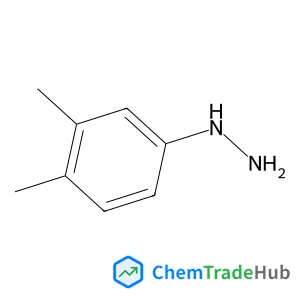
(3,4-Dimethylphenyl)hydrazine
CAS Number: 13636-53-8


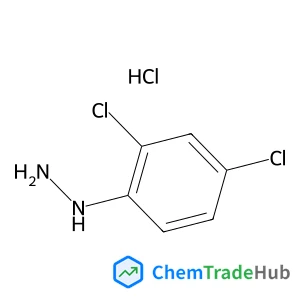


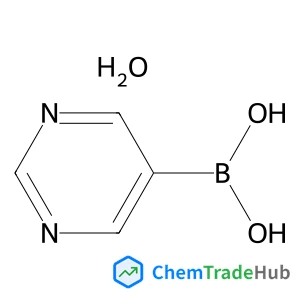


Other Suppliers for (2,3-Dimethylphenyl)hydrazine hydrochloride hydrate





Basic Information
Molecular Formula
C8H15ClN2O
Molecular Weight
190.67 g/mol
Physical Properties
Melting Point
210 °C (dec.) (lit.)
Boiling Point
238.7 °C at 760 mmHg
Density
1.058 g/cm3
Flash Point
112.3 °C
Chemical Identifiers
SMILES
CC1=C(C(=CC=C1)NN)C.O.Cl
InChIKey
CWLHVQVBNFKKSG-UHFFFAOYSA-N
Database References
MDL Number
MFCD00150150
FAQ
(2,3-Dimethylphenyl)hydrazine hydrochloride hydrate is a crystalline solid with a molecular weight of approximately 219.7 g/mol. It has a pKa of about 7.3 and is slightly soluble in water. This compound is known for its reactivity, particularly in its ability to undergo substitution reactions and form complexes with metals.
How is (2,3-Dimethylphenyl)hydrazine hydrochloride hydrate (CAS: 123333-92-6) typically synthesized?
(2,3-Dimethylphenyl)hydrazine hydrochloride hydrate can be synthesized by reacting 2,3-dimethylphenyl hydrazine with hydrochloric acid. The reaction typically proceeds with high yield and good selectivity under mild conditions, making this a common method in organic synthesis.
(2,3-Dimethylphenyl)hydrazine hydrochloride hydrate finds applications in various industries, including pharmaceuticals, where it is used as an intermediate in the synthesis of certain drugs, and in the production of organic dyes and pigments. It also has uses in the development of sensors and as a reducing agent in semiconductor manufacturing.
When handling (2,3-Dimethylphenyl)hydrazine hydrochloride hydrate, it is important to wear appropriate personal protective equipment (PPE) such as gloves, goggles, and a lab coat. Always work in a well-ventilated area or fume hood to minimize exposure. Follow good laboratory practices, and consult the Safety Data Sheet (SDS) for specific handling and disposal instructions.
Safety Notice
Please verify product specifications and safety data before use. Contact the supplier for detailed safety information.
Always follow proper handling procedures