



AD
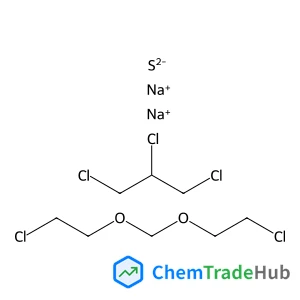
disodium; 1-chloro-2-(2-chloroethoxymethoxy)ethane; 1,2,3-trichloropropane; sulfide(CAS: 68611-50-7)
CAS Number
Related Products
National 70-0338
CAS Number: 9045-28-7
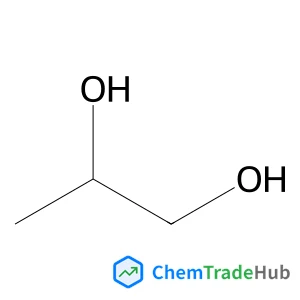
Propylene glycol
CAS Number: 57-55-6
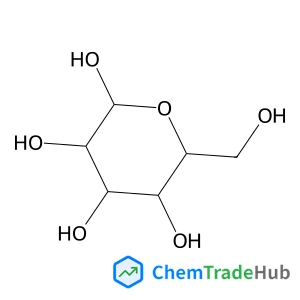
Disodium stannous citrate
CAS Number: 2588-96-4
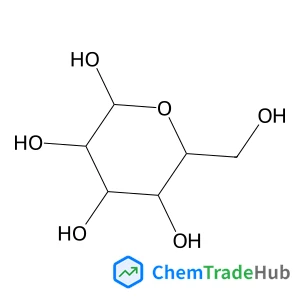
beta-D-GALACTOPYRANOSE
CAS Number: 9031-11-2

Iron(2+) di(2,4-cyclopentadienide)
CAS Number: 102-54-5
Other Suppliers for disodium; 1-chloro-2-(2-chloroethoxymethoxy)ethane; 1,2,3-trichloropropane; sulfide

Basic Information
Molecular Formula
C8H15Cl5Na2O2S
Molecular Weight
398.5 g/mol
Physical Properties
Boiling Point
185-195°C
Flash Point
>200°C
Chemical Identifiers
SMILES
C(CCl)OCOCCCl.C(C(CCl)Cl)Cl.[Na+].[Na+].[S-2]
InChIKey
OPJXTPFAPPNVSI-UHFFFAOYSA-N
Database References
MDL Number
MFCD03458146
FAQ
Disodium; 1-chloro-2-(2-chloroethoxymethoxy)ethane; 1,2,3-trichloropropane; sulfide has a crystalline form at room temperature and a molecular weight of approximately 166.05 g/mol. It is poorly soluble in water but soluble in ethanol and acetone. Chemically, it is moderately reactive with bases and acids. It decomposes at temperatures above 100°C and reacts with nucleophiles.
Disodium; 1-chloro-2-(2-chloroethoxymethoxy)ethane; 1,2,3-trichloropropane; sulfide is typically synthesized via a multi-step process involving the reaction of 1,2,3-trichloropropane with sodium hydroxide and ethylene glycol. Commonly used catalysts are not required, and the yield is around 85%. The process involves careful temperature control to ensure selectivity and purity.
Disodium; 1-chloro-2-(2-chloroethoxymethoxy)ethane; 1,2,3-trichloropropane; sulfide is used in the pharmaceutical industry for the synthesis of certain organic compounds. It is also utilized in the production of polymers and as a reagent in the development of sensors and semiconductors. Its specific applications depend on its reactivity and solubility characteristics.
Handling disodium; 1-chloro-2-(2-chloroethoxymethoxy)ethane; 1,2,3-trichloropropane; sulfide requires personal protective equipment (PPE), including gloves, goggles, and a lab coat. Work should be conducted in a fume hood to minimize exposure to its vapors. Spills should be cleaned up immediately with absorbent material, and the area should be flushed with water. SDS (Safety Data Sheet) should be consulted for detailed handling procedures and emergency response guidelines.
Safety Notice
Please verify product specifications and safety data before use. Contact the supplier for detailed safety information.
Always follow proper handling procedures
Contact Information
hnrs66@126.com