



AD
Lead(2+) acetate hydrate (1:2:3)(CAS: 6080-56-4)
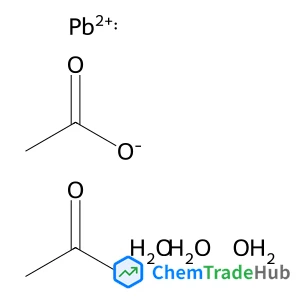
CAS Number
Related Products
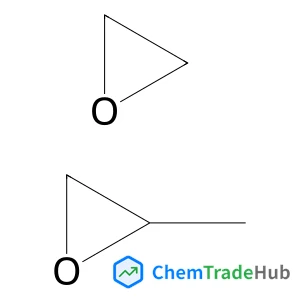
Chitosan hydrochloride
CAS Number: 70694-72-3
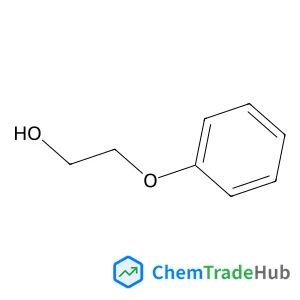
2-Phenoxyethanol
CAS Number: 122-99-6
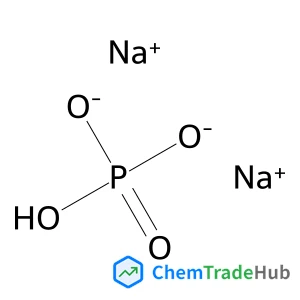
Disodium hydrogen phosphate
CAS Number: 7558-79-4
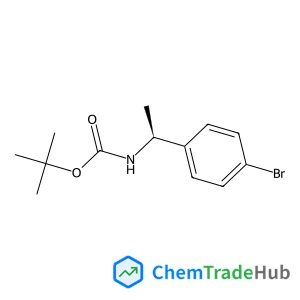
Anise oil
CAS Number: 84775-42-8
![N,N''''-1,6-Hexanediylbis[N'-(4-chlorophenyl)(imidodicarbonimidic diamide)] - D-gluconic acid (1:2)](https://static.chemtradehub.com/structs/184/18472-51-0-b380.webp)
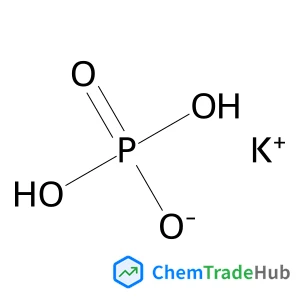
Potassium dihydrogen phosphate
CAS Number: 7778-77-0
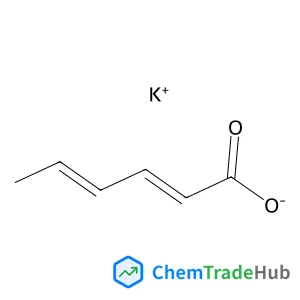
Potassium sorbate
CAS Number: 590-00-1
Other Suppliers for Lead(2+) acetate hydrate (1:2:3)





Basic Information
Molecular Formula
C4H12O7Pb
Molecular Weight
379.33 g/mol
EINECS
612-031-2
Physical Properties
Melting Point
75 °C (dec.)(lit.)
Boiling Point
280°C
Density
2,55 g/cm3
Flash Point
40 °C
Water Solubility
625 g/L
Chemical Identifiers
SMILES
[O-]C(=O)C.[O-]C(=O)C.O.O.O.[Pb+2]
InChIKey
MCEUZMYFCCOOQO-UHFFFAOYSA-L
Database References
MDL Number
MFCD00150023
Beilstein Registry Number
3730298
FAQ
Lead(2+) acetate hydrate (1:2:3) is a chemical compound with the CAS number 6080-56-4. It consists of lead ions (Pb²⁺), acetate ions (C₂H₃O₂⁻), and water molecules in a 1:2:3 ratio. This compound is typically a white crystalline solid and is known for its solubility in water. It has a moderate molecular weight and is often used in specific chemical applications due to its unique properties.
Lead(2+) acetate hydrate (1:2:3) is primarily used in the preparation of other lead compounds and as a reagent in laboratory settings. It finds applications in analytical chemistry for qualitative and quantitative analysis. Additionally, it has been historically used in the dyeing of textiles and as a stabilizer in certain industrial processes, though its usage is limited due to health and environmental concerns.
Lead(2+) acetate hydrate (1:2:3) is not considered safe for human or environmental exposure due to its lead content. Lead is a toxic heavy metal, and prolonged contact can lead to serious health issues. Proper protective measures, such as gloves and ventilation, should be used when handling this compound. It is important to follow safety standards and regulations to minimize risk.
Lead(2+) acetate hydrate (1:2:3) should be stored in a cool, dry, and well-ventilated area, away from moisture and direct light. It is best kept in a sealed, airtight container to prevent degradation. Storage should also be in a location that is inaccessible to children and not in proximity to incompatible materials to ensure stability and safety.
Safety Notice
Please verify product specifications and safety data before use. Contact the supplier for detailed safety information.
Always follow proper handling procedures
Contact Information
Contact Person
Liu Jun
2823173936@qq.com