



AD
Furaltadone-D5(CAS: 1015855-64-7)
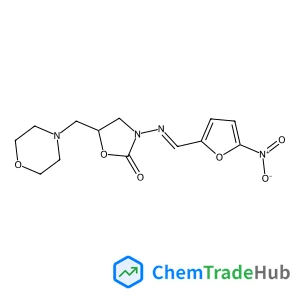
CAS Number
Related Products
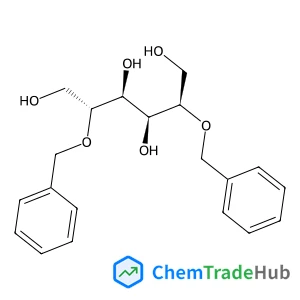
D-Mannitol, 2,5-bis-O-(phenylmethyl)-
CAS Number: 17618-04-1
![3-Phenyl-1H-benzo[f]chromen-1-one](https://static.chemtradehub.com/structs/605/6051-87-2-95f7.webp)
3-Phenyl-1H-benzo[f]chromen-1-one
CAS Number: 6051-87-2
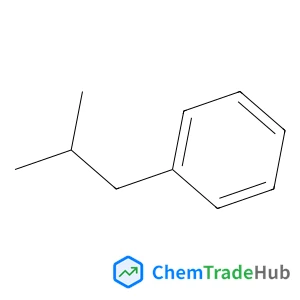
2-Methyl-1-phenylpropane-d14
CAS Number: 350818-58-5
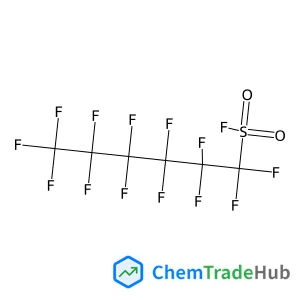
![3-(2-Chloro-10H-phenothiazin-10-yl)-N,N-bis[(~2~H_3_)methyl]-1-propanamine hydrochloride (1:1)](https://static.chemtradehub.com/structs/122/1228182-46-4-6464.webp)
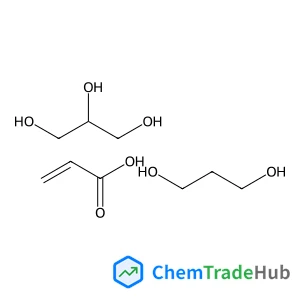
GLYCERYL PROPOXY TRIACRYLATE
CAS Number: 52408-84-1
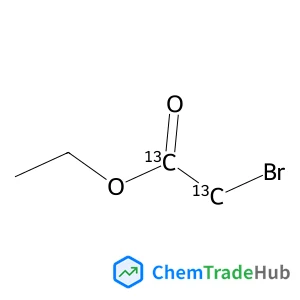
Ethyl bromo(~13~C_2_)acetate
CAS Number: 61898-49-5

POLY(PROPYLENE-CO-ETHYLENE)
CAS Number: 9010-79-1
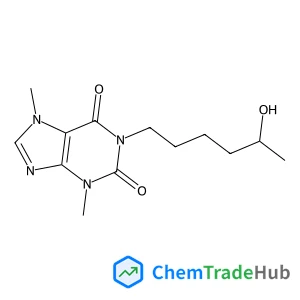
(+/-)-Lisofylline
CAS Number: 6493-06-7
Other Suppliers for Furaltadone-D5




Basic Information
Molecular Formula
C13H11D5N4O6
Molecular Weight
324.29 g/mol
Chemical Identifiers
SMILES
C1COCCN1CC2CN(C(=O)O2)N=CC3=CC=C(O3)[N+](=O)[O-]
InChIKey
YVQVOQKFMFRVGR-JDUWRFKESA-N
Database References
MDL Number
MFCD04973441
FAQ
Furaltadone-D5 (CAS: 1015855-64-7) is subject to various regulatory guidelines, including GHS classification, REACH regulations, and FDA/EPA requirements. It is classified as a veterinary drug under the Veterinary Drug Enforcement Act (VDEA) in the United States and may have specific label and handling requirements under GHS. Under REACH, it must comply with registration, evaluation, authorization, and restriction of chemicals. Specific usage and disposal guidelines must be followed to ensure compliance and safety.
Furaltadone-D5 (CAS: 1015855-64-7) can have alternatives in synthesis, such as other nitrofurans like nitrofurazone or other antimicrobial agents like sulfadimethoxine. These alternatives may offer similar or different antimicrobial properties. Researchers often choose based on efficacy, cost, and regulatory compliance. It is important to evaluate the specific requirements of the synthesis process and the intended application to determine the most suitable alternative.
The market for Furaltadone-D5 (CAS: 1015855-64-7) has seen fluctuations due to regulatory changes and the emergence of newer antimicrobial agents. Research trends are moving towards more targeted and less toxic alternatives. However, due to its established efficacy in treating certain infections, there remains a niche market for Furaltadone-D5. Emerging research focuses on understanding its mechanism of action and developing safer derivatives. Market trends indicate a shift towards sustainable and less harmful antimicrobial agents.
Waste containing Furaltadone-D5 (CAS: 1015855-64-7) should be managed according to the specific guidelines provided by local environmental authorities. Generally, it should be collected in appropriate containers, labeled clearly, and disposed of through professional waste disposal services. Incineration is a common method, but chemical or biological treatment may also be used depending on the local regulations. Proper handling ensures compliance with environmental protection standards and minimizes the risk of contamination.
Safety Notice
Please verify product specifications and safety data before use. Contact the supplier for detailed safety information.
Always follow proper handling procedures

Contact Information
Contact Person
Ba Chulong
sales@scrbio.com
Mobile
13003271654
Telephone
021-58000709
Visit Website
http://www.scrbio.com/Address
No. 3, Building 2, Scui Mei Road 258, Pudong New Area, Shanghai