



AD
Copper sulfate pentahydrate(CAS: 7758-99-8)
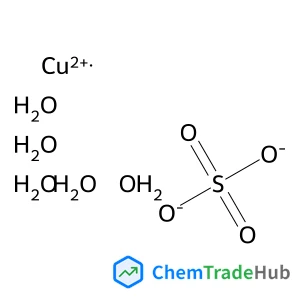
CAS Number
Related Products
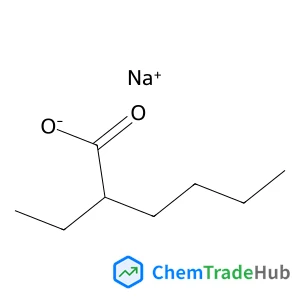
Sodium 2-ethylhexanoate
CAS Number: 19766-89-3
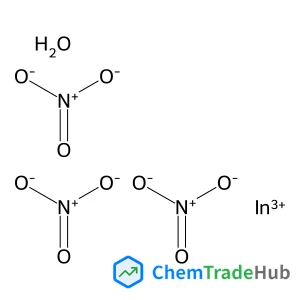
Indium nitrate hydrate
CAS Number: 13465-14-0
Bismuth(3+) trihydroxide
CAS Number: 10361-43-0
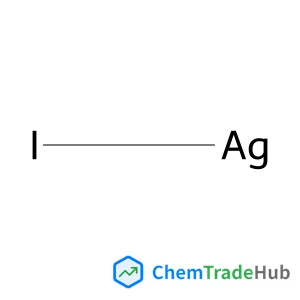
Silver(1+) iodide
CAS Number: 7783-96-2
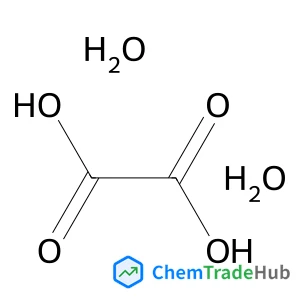
Oxalic Acid Dihydrate
CAS Number: 6153-56-6
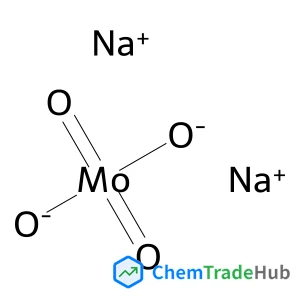
Disodium dioxido(dioxo)molybdenum
CAS Number: 7631-95-0
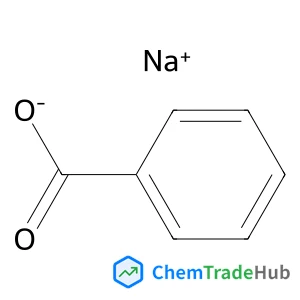
Sodium Benzoate
CAS Number: 532-32-1
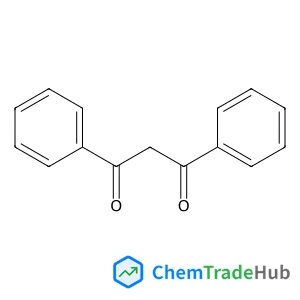
1,3-Diphenyl-1,3-propanedione
CAS Number: 120-46-7
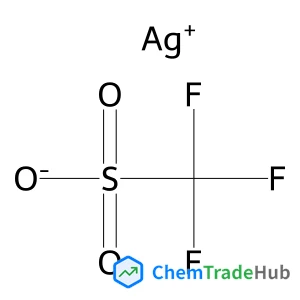
Silver(1+) trifluoromethanesulfonate
CAS Number: 2923-28-6
Other Suppliers for Copper sulfate pentahydrate




Basic Information
Molecular Formula
CuH10O9S
Molecular Weight
249.69 g/mol
Physical Properties
Melting Point
110 °C (dec.) (lit.)
Boiling Point
330 °C at 760 mmHg
Density
2.284
Water Solubility
320 g/L (20 ºC)
Chemical Identifiers
SMILES
[O-]S(=O)(=O)[O-].O.O.O.O.O.[Cu+2]
InChIKey
JZCCFEFSEZPSOG-UHFFFAOYSA-L
Database References
MDL Number
MFCD00149681
FAQ
Copper sulfate pentahydrate (CAS: 7758-99-8) is a blue crystalline compound composed of copper, sulfur, and water. Its chemical formula is CuSO₄·5H₂O. It is commonly used in various industries due to its ability to dissolve in water and form copper ions, which are essential for many chemical processes.
Copper sulfate pentahydrate (CAS: 7758-99-8) is widely used in agriculture as a fungicide, in industrial applications for copper plating and dyeing, in the pharmaceutical industry for certain drug formulations, and in laboratory settings for chemical synthesis and analysis. It is also used in the production of copper salts and as a mordant in dyeing fabrics.
Copper sulfate pentahydrate (CAS: 7758-99-8) can be hazardous if mishandled. It is toxic if ingested or inhaled, and may irritate the skin and eyes. Proper safety measures such as gloves, goggles, and ventilation are necessary. It is classified as a harmful substance under safety standards and should be handled with care to avoid exposure.
Copper sulfate pentahydrate (CAS: 7758-99-8) should be stored in a cool, dry, and well-ventilated place, away from moisture and direct light. It is best kept in a sealed container to maintain its stability and prevent degradation. Storage conditions should ensure it remains in a hygroscopic state without absorbing excess water from the environment.
Safety Notice
Please verify product specifications and safety data before use. Contact the supplier for detailed safety information.
Always follow proper handling procedures
Contact Information
Contact Person
Chen Xin
2501739421@qq.com