



AD
2,3-Dimethylbenzoic acid(CAS: 603-79-2)

CAS Number
Related Products
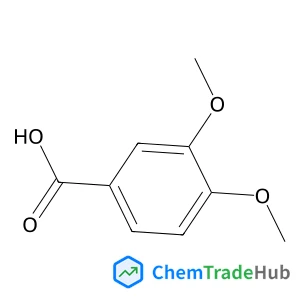
3,4-Dimethoxybenzoic acid
CAS Number: 93-07-2
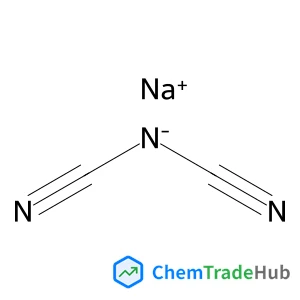
sodium dicyanoazanide
CAS Number: 1934-75-4
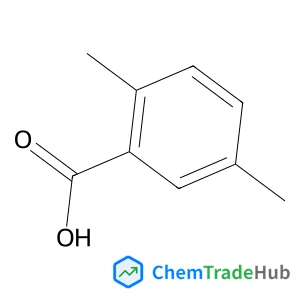
2,5-Dimethylbenzoic acid
CAS Number: 610-72-0
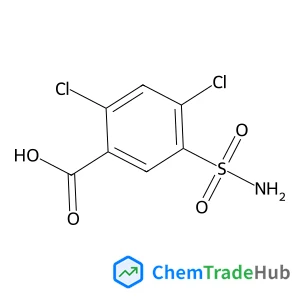
2,4-Dichloro-5-sulfamoylbenzoic acid
CAS Number: 2736-23-4
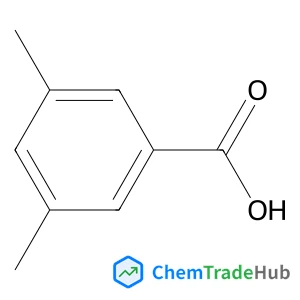
3,5-Dimethylbenzoic acid
CAS Number: 499-06-9
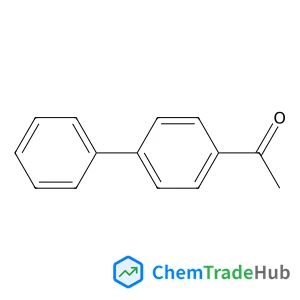
4-Acetylbiphenyl
CAS Number: 92-91-1
2,4-Dichlorobenzoic acid
CAS Number: 50-84-0
4-Bromobenzoic acid
CAS Number: 586-76-5
Other Suppliers for 2,3-Dimethylbenzoic acid




Basic Information
Molecular Formula
C9H10O2
Molecular Weight
150.18 g/mol
Physical Properties
Melting Point
144.0 to 147.0 deg-C
Boiling Point
281.5℃ at 760 mmHg
Density
1.0937 (estimate)
Flash Point
129.6℃
Chemical Identifiers
SMILES
Cc1cccc(C(=O)O)c1C
InChIKey
RIZUCYSQUWMQLX-UHFFFAOYSA-N
Database References
MDL Number
MFCD00002479
Beilstein Registry Number
971590
FAQ
2,3-Dimethylbenzoic acid (CAS: 603-79-2) is a white crystalline solid with a molecular weight of 146.16 g/mol. It has a melting point of 106-107°C and a boiling point of 286°C. The compound is slightly soluble in water but more soluble in organic solvents like ethanol and acetone. Chemically, it is acidic and can react with bases to form salts. It is also susceptible to hydrolysis under basic conditions.
2,3-Dimethylbenzoic acid is typically synthesized via the condensation of 2,3-dimethylbenzaldehyde with hydroxylamine hydrochloride followed by acidification. This process yields the compound with a high degree of selectivity and good yield. The reaction is carried out in an aqueous medium and requires appropriate catalysts and conditions to ensure optimal results.
2,3-Dimethylbenzoic acid (CAS: 603-79-2) is used in various industries, including pharmaceuticals, where it serves as a precursor for certain drug intermediates. It is also used in the production of polymers for specialized applications, sensors, and semiconductor materials. The acid's properties make it valuable in these fields for its reactivity and stability.
When handling 2,3-Dimethylbenzoic acid (CAS: 603-79-2), it is essential to wear appropriate personal protective equipment (PPE) such as gloves, safety goggles, and a lab coat. Work should be conducted in a well-ventilated area or a fume hood to minimize exposure. Spills should be cleaned up immediately using appropriate materials, and the area should be flushed with water. Always refer to the Safety Data Sheet (SDS) for detailed handling and disposal information.
Safety Notice
Please verify product specifications and safety data before use. Contact the supplier for detailed safety information.
Always follow proper handling procedures