



AD
Iron(3+) citrate(CAS: 3522-50-7)
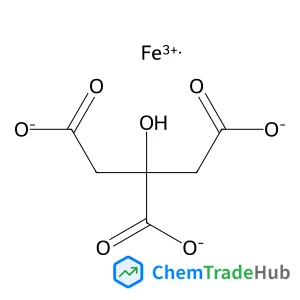
CAS Number
Related Products
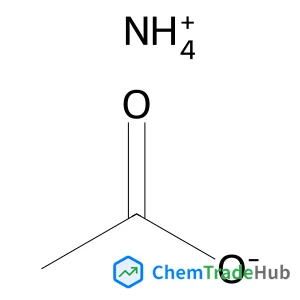
Acetic acid ammoniate (1:1)
CAS Number: 631-61-8
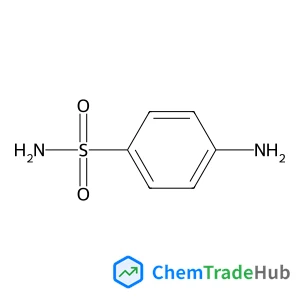
4-Aminobenzenesulfonamide
CAS Number: 63-74-1

Iron(3+) tribromide
CAS Number: 10031-26-2
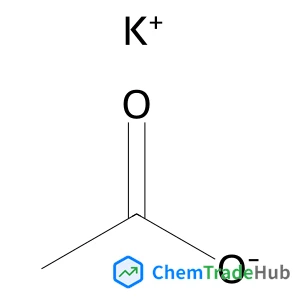
Potassium acetate
CAS Number: 127-08-2
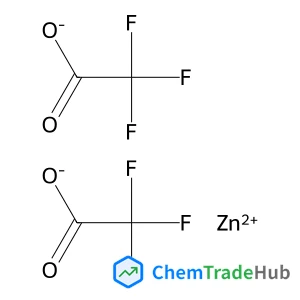
ZINC TRIFLUOROACETATE
CAS Number: 21907-47-1
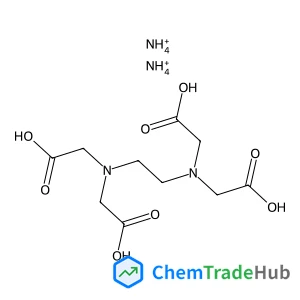
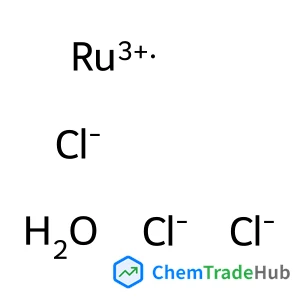
Ruodium (Ⅲ) Chloride Hydrate
CAS Number: 14898-67-0
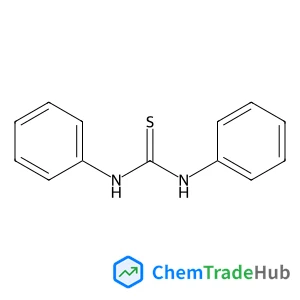
1,3-Diphenylthiourea
CAS Number: 102-08-9
Other Suppliers for Iron(3+) citrate


Basic Information
Molecular Formula
C6H5FeO7
Molecular Weight
244.94 g/mol
Chemical Identifiers
SMILES
[O-]C(=O)C(CC(=O)[O-])(CC(=O)[O-])O.[Fe+3]
InChIKey
NPFOYSMITVOQOS-UHFFFAOYSA-K
Database References
MDL Number
MFCD00149617
FAQ
Iron(3+) citrate, with the CAS number 3522-50-7, is a coordination compound consisting of iron ions (Fe³⁺) bound to citrate ligands. It is typically a yellowish solid, soluble in water, and used in various industrial and medical applications. Its structure involves iron as a central metal ion coordinated with citric acid molecules, making it a common iron supplement in pharmaceutical formulations.
Iron(3+) citrate (CAS: 3522-50-7) is widely used as an iron supplement in dietary products and medications to address iron deficiency. In industry, it serves as a catalyst in chemical processes and a stabilizer in food additives. It also finds applications in research for studying iron metabolism and in water treatment for metal removal. Its biocompatibility and solubility make it valuable in pharmaceutical and nutritional contexts.
Iron(3+) citrate (CAS: 3522-50-7) is generally considered safe when used in recommended doses, as it is less toxic than other iron compounds. However, direct contact with skin or inhalation of powder may cause irritation. Safety standards emphasize proper handling, such as using gloves and ventilation, and adherence to guidelines from organizations like OSHA. It is approved for use in food and pharmaceuticals under regulated conditions.
Iron(3+) citrate (CAS: 3522-50-7) should be stored in a cool, dry place, away from direct light and moisture. Keep it in airtight containers to prevent hygroscopic degradation. Avoid exposure to high temperatures or humidity, as these can affect its stability. Proper storage ensures longevity and maintains its chemical integrity for industrial, pharmaceutical, or research purposes.
Safety Notice
Please verify product specifications and safety data before use. Contact the supplier for detailed safety information.
Always follow proper handling procedures
Contact Information
Contact Person
Mr. Xu
896916566@qq.com