



AD
4-(3-Pyridinylmethyl)aniline(CAS: 85666-15-5)
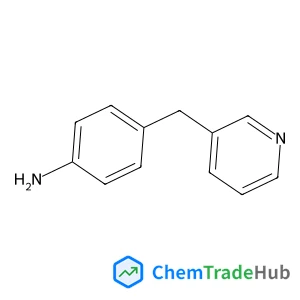
CAS Number
Related Products
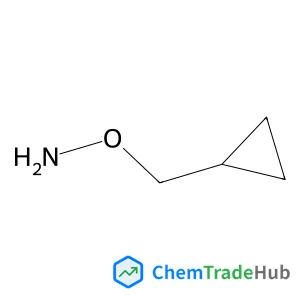
O-(cyclopropylmethyl)hydroxylamine
CAS Number: 75647-90-4
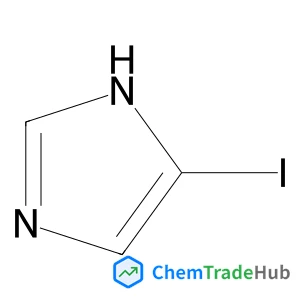
4-Iodo-1H-imidazole
CAS Number: 71759-89-2
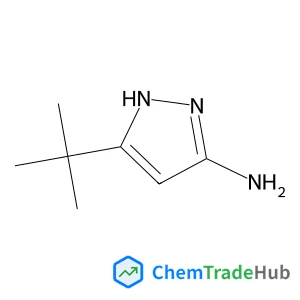
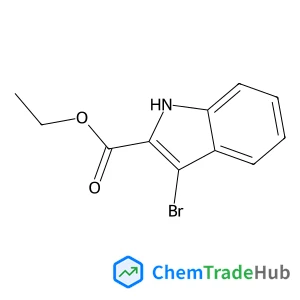
ethyl 3-bromo-1H-indole-2-carboxylate
CAS Number: 91348-45-7
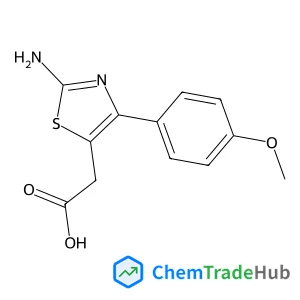
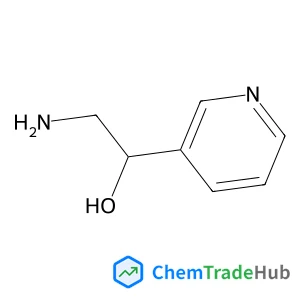
2-Amino-1-(pyridin-3-yl)ethanol
CAS Number: 92990-44-8
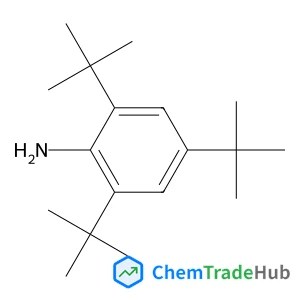
2,4,6-Tri-tert-butylaniline
CAS Number: 961-38-6
Other Suppliers for 4-(3-Pyridinylmethyl)aniline






Basic Information
Molecular Formula
C12H12N2
Molecular Weight
184.24 g/mol
Physical Properties
Melting Point
117-119 °C
Boiling Point
352.4±22.0 °C(Predicted)
Density
1.121±0.06 g/cm3(Predicted)
Chemical Identifiers
SMILES
Nc1ccc(cc1)Cc1cccnc1
InChIKey
XYZKXQHSXCNURY-UHFFFAOYSA-N
Database References
MDL Number
MFCD08447085
FAQ
4-(3-Pyridinylmethyl)aniline (CAS: 85666-15-5) falls under the classification of a hazardous chemical. It is regulated under the Globally Harmonized System of Classification and Labelling of Chemicals (GHS) as a Category 4 skin corrosion/irritation and category 4 serious eye damage/eye irritation. For commercial and industrial use, it must comply with REACH regulations in the European Union and EPA regulations in the United States. FDA guidelines for handling and storage in a laboratory setting also apply.
There are several alternatives to 4-(3-Pyridinylmethyl)aniline (CAS: 85666-15-5) that can be used in synthesis, including 4-(2-pyridinylmethyl)aniline, 4-(4-pyridinylmethyl)aniline, and related anilines. These alternatives can serve as effective substitutes depending on the specific reaction conditions and desired product properties. Common alternative reagents such as pyridine derivatives and aniline itself are often considered.
The market for 4-(3-Pyridinylmethyl)aniline (CAS: 85666-15-5) is primarily driven by its applications in organic synthesis, particularly in the preparation of pharmaceuticals and dyes. Research trends are focused on its use as a building block for developing novel materials and drugs. Recent studies indicate a growing interest in its use in the development of antitumor and antiviral agents, as well as in the field of polymer chemistry.
Waste containing 4-(3-Pyridinylmethyl)aniline (CAS: 85666-15-5) should be collected in appropriate containers, labeled with the hazard symbol, and disposed of through a professional waste disposal service. Incineration is a common method for disposal, but it must be conducted in an environmentally controlled facility to prevent air pollution. Alternatively, chemical treatment or biodegradation methods can be employed to neutralize the chemical before final disposal. Always consult local regulations for specific disposal requirements.
Safety Notice
Please verify product specifications and safety data before use. Contact the supplier for detailed safety information.
Always follow proper handling procedures
Contact Information
info@leadgenlabs.com