



AD
2-Methyl-1,2-thiazol-3(2H)-one hydrochloride (1:1)(CAS: 26172-54-3)
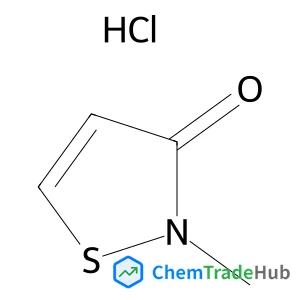
CAS Number
Related Products
![[3-(Aminomethyl)phenyl]boronic acid hydrochloride (1:1)](https://static.chemtradehub.com/structs/352/352525-94-1-b070.webp)
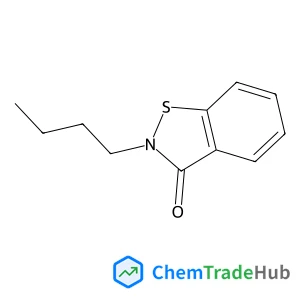
2-Butyl-1,2-benzothiazol-3(2H)-one
CAS Number: 4299-07-4
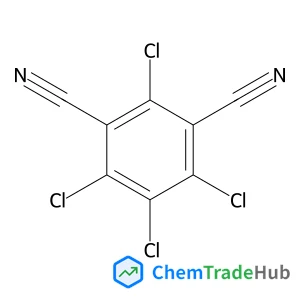
2,4,5,6-Tetrachloroisophthalonitrile
CAS Number: 1897-45-6
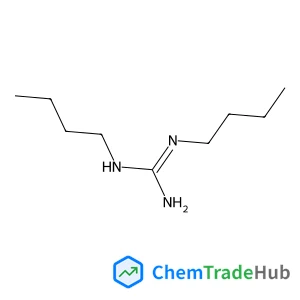
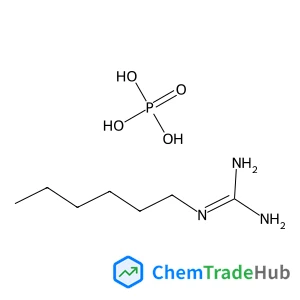
2-Hexylguanidine phosphate (1:1)
CAS Number: 89697-78-9
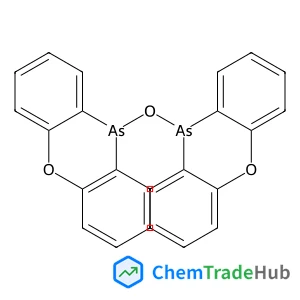
10,10'-Oxybis(10H-phenoxarsinine)
CAS Number: 58-36-6
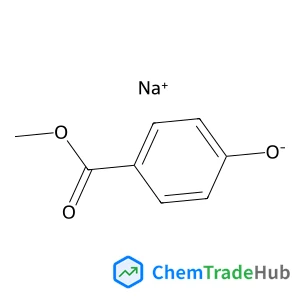
Sodium methylparaben
CAS Number: 5026-62-0
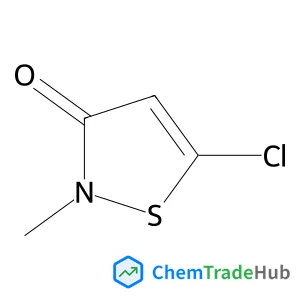
Other Suppliers for 2-Methyl-1,2-thiazol-3(2H)-one hydrochloride (1:1)






Basic Information
Molecular Formula
C4H6ClNOS
Molecular Weight
151.62 g/mol
Chemical Identifiers
SMILES
CN1C(=O)C=CS1.Cl
InChIKey
SJXPQSRCFCPWQQ-UHFFFAOYSA-N
Database References
MDL Number
MFCD06804636
FAQ
2-Methyl-1,2-thiazol-3(2H)-one hydrochloride (CAS: 26172-54-3) is subject to regulatory guidelines managed by the Globally Harmonized System (GHS) for classification and labelling of chemicals. In the EU, manufacturers and importers must comply with REACH regulations, which require registration and evaluation of the substance. Additionally, it is regulated by the EPA and FDA in the U.S. for safety and environmental protection.
Yes, there are alternative reagents that can be used in synthesis. For example, 1-Methyl-2-thiazolone can be a suitable alternative. Other isomers or analogs, such as 4-Methyl-1,3-thiazol-2(3H)-one, are also available. These alternatives offer similar reactivity and can be chosen based on specific application needs and availability.
The market for 2-Methyl-1,2-thiazol-3(2H)-one hydrochloride is growing due to its applications in pharmaceuticals and agrochemicals. Research trends focus on its use as an intermediate in the synthesis of bioactive compounds. Price trends indicate steady demand, and emerging research fields include its role in developing new drugs and pesticides. Market analysis suggests continued growth driven by pharmaceutical and agrochemical industries.
Waste containing 2-Methyl-1,2-thiazol-3(2H)-one hydrochloride should be collected in appropriate storage containers and handled by hazardous waste disposal professionals. Incineration is a common method for disposal, ensuring proper combustion to reduce environmental impact. Environmental protection precautions include minimizing spillage and ensuring that waste is neutralized before disposal to prevent contamination. Compliance with local and national regulations is essential for safe waste management.
Safety Notice
Please verify product specifications and safety data before use. Contact the supplier for detailed safety information.
Always follow proper handling procedures
Contact Information
foshanliyuan@126.com