



AD
D-Glucose, 2-(acetylamino)-2-deoxy-(CAS: 98632-70-3)
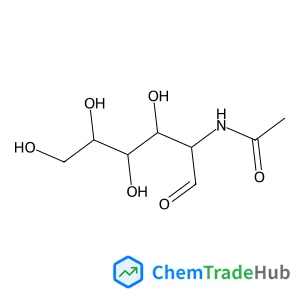
CAS Number
Related Products
![(3Z,6R,14aR,14bR)-3-Ethylidene-6-hydroxy-6-methyl-5-methylene-3,4,5,6,9,11,13,14,14a,14b-decahydro[1,6]dioxacyclododecino[2,3,4-gh]pyrrolizine-2,7-dione 12-oxide](https://static.chemtradehub.com/structs/387/38710-26-8-724c.webp)
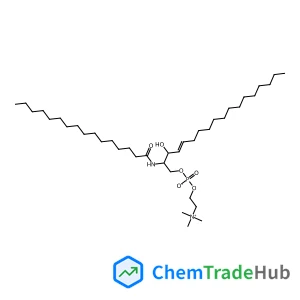
Sphingomyelin d18:1-C16:0
CAS Number: 383907-87-7
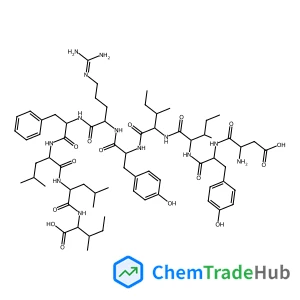
VP7 (31-40) peptide
CAS Number: 152687-39-3
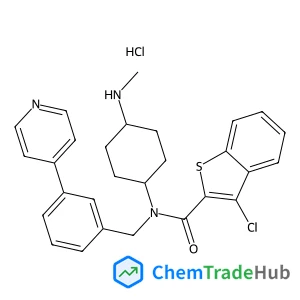
SAG hydrochloride
CAS Number: 2095432-58-7
![(3S)-2-[(2S)-2-[[(2S)-1-ethoxy-1-oxo-4-phenylbutan-2-yl]amino]propanoyl]-6,7-dimethoxy-3,4-dihydro-1H-isoquinoline-3-carboxylic acid;hydrochloride](https://static.chemtradehub.com/structs/825/82586-52-5-119f.webp)
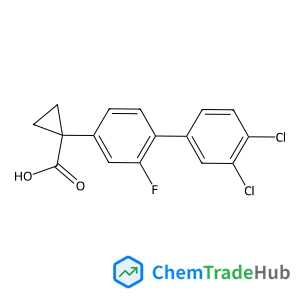
Temporins; Temporin G
CAS Number: 188713-78-2
![2-Hydroxy-5-[(E)-2-(4-nitrophenyl)diazen-1-yl]benzoic acid](https://static.chemtradehub.com/structs/224/2243-76-7-ec6a.webp)
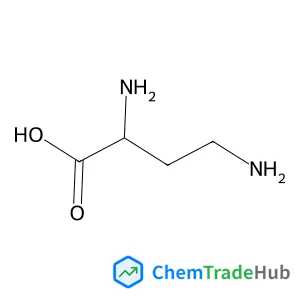
(2S)-2,4-diaminobutanoic acid
CAS Number: 1758-80-1
Other Suppliers for D-Glucose, 2-(acetylamino)-2-deoxy-





Basic Information
Molecular Formula
C8H15NO6
Molecular Weight
221.21 g/mol
Chemical Identifiers
SMILES
CC(=O)NC(C=O)C(C(C(CO)O)O)O
InChIKey
MBLBDJOUHNCFQT-LXGUWJNJSA-N
Database References
FAQ
D-Glucose, 2-(acetylamino)-2-deoxy- (CAS: 98632-70-3) falls under various regulatory guidelines including GHS for classification, REACH for registration, evaluation, and authorization, and FDA/EPA for handling and environmental regulations. It is important to adhere to specific safety data sheets (SDS) and material safety data sheets (MSDS) for handling and storage to ensure compliance with local and international safety regulations.
In synthesis, alternatives to D-Glucose, 2-(acetylamino)-2-deoxy- (CAS: 98632-70-3) include 2-deoxy-1-acetamino-D-glucose and related derivatives. Isomers like D-Glucose, 1-acetamino-2-deoxy- can also serve as effective alternatives. Common reagents for synthesis include acetic anhydride and amino compounds, providing versatile pathways for chemical modification.
The market for D-Glucose, 2-(acetylamino)-2-deoxy- (CAS: 98632-70-3) is driven by its applications in pharmaceuticals, biotechnology, and research. Recent trends show an increasing demand in drug development and synthetic biology. Research is focusing on its role in glycosylation studies and its potential as a therapeutic agent. Market trends indicate a growing focus on sustainable and eco-friendly synthesis methods.
Handling waste containing D-Glucose, 2-(acetylamino)-2-deoxy- (CAS: 98632-70-3) requires careful consideration of environmental and safety regulations. Waste should be collected in appropriate containers and disposed of through professional waste disposal services. Incineration is a common method, but it must be conducted in compliance with local environmental protection standards. Proper labeling and documentation of waste disposal processes are crucial to ensure safety and regulatory compliance.
Safety Notice
Please verify product specifications and safety data before use. Contact the supplier for detailed safety information.
Always follow proper handling procedures
Contact Information
Contact Person
Gong Siyu
3193328036@qq.com
Mobile
17801761073
Telephone
010-50973130
Visit Website
https://www.solarbio.comAddress
Beijing Solabio Technology Co., Ltd.