



AD
2-methyl-3-nitroaniline(CAS: 603-83-8)
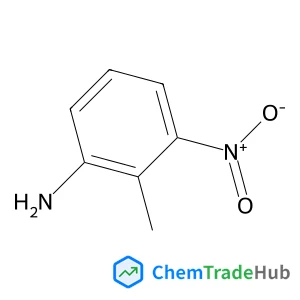
CAS Number
Related Products
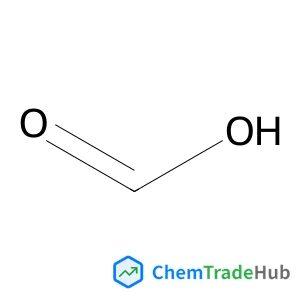
Formic acid
CAS Number: 64-18-6
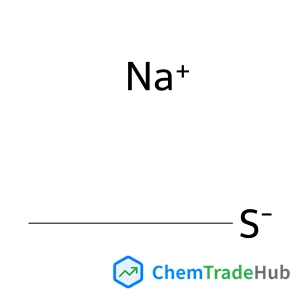
Sodium Methanethiolate (~20% in Water)
CAS Number: 5188-07-8
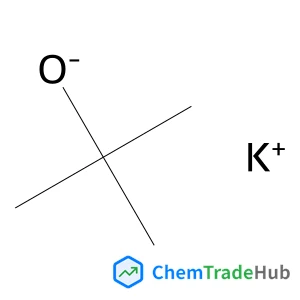
Potassium 2-methyl-2-propanolate
CAS Number: 865-47-4
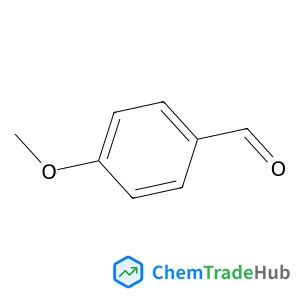
4-Methoxybenzaldehyde
CAS Number: 123-11-5
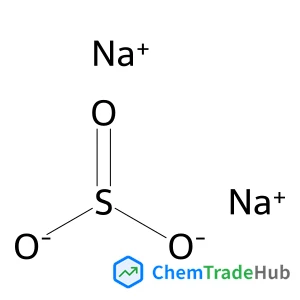
Sodium Sulfite
CAS Number: 7757-83-7
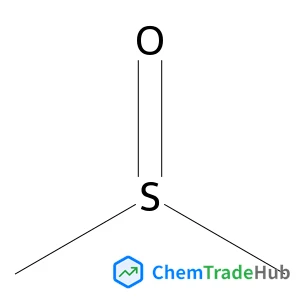
(Methylsulfinyl)methane
CAS Number: 67-68-5
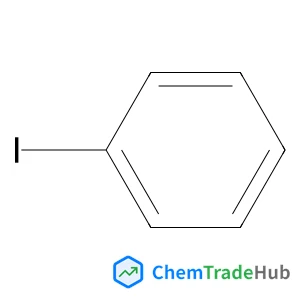
Iodobenzene
CAS Number: 591-50-4
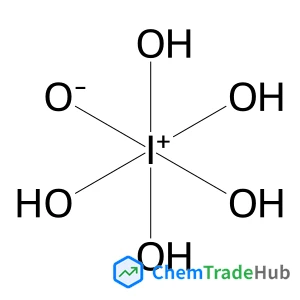
Pentahydroxy-lambda~5~-iodane oxide
CAS Number: 10450-60-9
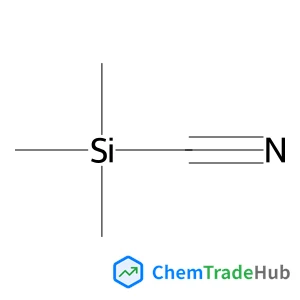
Trimethylsilanecarbonitrile
CAS Number: 7677-24-9
Other Suppliers for 2-methyl-3-nitroaniline



Basic Information
Molecular Formula
C7H8N2O2
Molecular Weight
152.15 g/mol
Physical Properties
Melting Point
88.0 to 91.0 deg-C
Boiling Point
305°C(lit.)
Density
1.378
Flash Point
305°C
Water Solubility
<0.1 g/100 mL at 23 ºC
Chemical Identifiers
SMILES
CC1=C(C=CC=C1[N+](=O)[O-])N
InChIKey
HFCFJYRLBAANKN-UHFFFAOYSA-N
Database References
MDL Number
MFCD00007731
Beilstein Registry Number
0388393
FAQ
2-Methyl-3-nitroaniline (CAS: 603-83-8) is a white crystalline solid with a molecular weight of 156.12 g/mol. It has a melting point of 79-80°C and is slightly soluble in water. It is moderately reactive and can undergo substitution reactions. The compound is used in the synthesis of various dyes and pharmaceuticals.
2-Methyl-3-nitroaniline (CAS: 603-83-8) is typically synthesized via the nitration of 2-methylaniline. This process involves the use of concentrated nitric acid mixed with concentrated sulfuric acid as a nitrating agent. The reaction is exothermic and requires careful temperature control to ensure selectivity and high yield.
2-Methyl-3-nitroaniline (CAS: 603-83-8) is used in the pharmaceutical industry for the synthesis of drug intermediates. It is also utilized in the dye and pigment industry for producing various dyes. Additionally, it has applications in the polymer industry as a precursor for certain polymers.
When handling 2-methyl-3-nitroaniline (CAS: 603-83-8), it is important to use appropriate personal protective equipment (PPE), including gloves, goggles, and a laboratory coat. The compound should be handled in a fume hood due to its volatility and potential for reaction. Spills should be cleaned up with caution, and the Material Safety Data Sheet (MSDS) or Safety Data Sheet (SDS) should be consulted for specific spill procedures. Storage should be in a cool, dry place away from heat sources and oxidizing agents.
Safety Notice
Please verify product specifications and safety data before use. Contact the supplier for detailed safety information.
Always follow proper handling procedures
Contact Information
Contact Person
Lan Cunwei
3064313138@qq.com