



AD
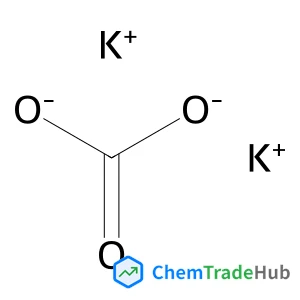
Dipotassium carbonate(CAS: 584-08-7)
CAS Number
Related Products
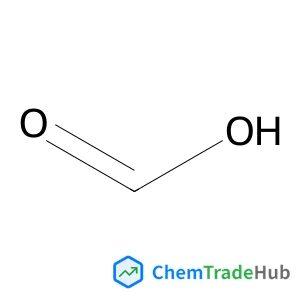
Formic acid
CAS Number: 64-18-6
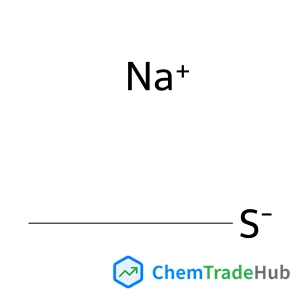
Sodium Methanethiolate (~20% in Water)
CAS Number: 5188-07-8

Potassium 2-methyl-2-propanolate
CAS Number: 865-47-4
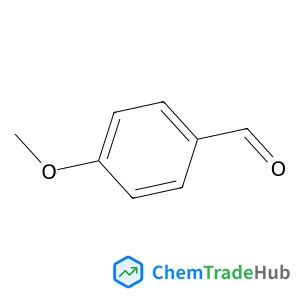
4-Methoxybenzaldehyde
CAS Number: 123-11-5
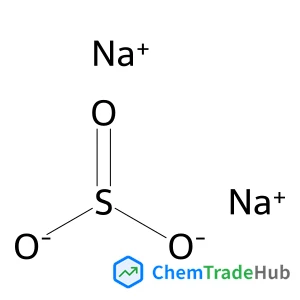
Sodium Sulfite
CAS Number: 7757-83-7

(Methylsulfinyl)methane
CAS Number: 67-68-5
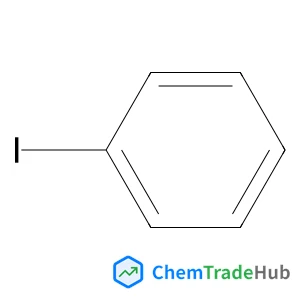
Iodobenzene
CAS Number: 591-50-4

Pentahydroxy-lambda~5~-iodane oxide
CAS Number: 10450-60-9
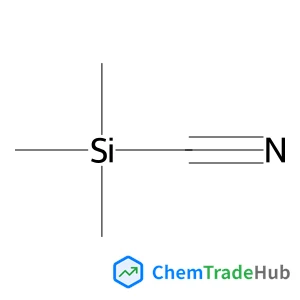
Trimethylsilanecarbonitrile
CAS Number: 7677-24-9
Other Suppliers for Dipotassium carbonate


Basic Information
Molecular Formula
CK2O3
Molecular Weight
138.21 g/mol
Physical Properties
Melting Point
891 °C (lit.)
Boiling Point
No data available
Flash Point
No data available
Water Solubility
1120 g/L (20 ºC)
Chemical Identifiers
SMILES
C(=O)([O-])[O-].[K+].[K+]
InChIKey
BWHMMNNQKKPAPP-UHFFFAOYSA-L
Database References
MDL Number
MFCD00011382
Beilstein Registry Number
4267587
FAQ
Dipotassium carbonate is an inorganic compound with the chemical formula K₂CO₃. It appears as a white, odorless powder and is highly soluble in water. As a salt of carbonic acid, it exhibits basic properties and is commonly used in various industrial and laboratory applications. Its CAS number, 584-08-7, identifies it uniquely in chemical databases. Dipotassium carbonate is a key component in pH regulation and buffer solutions due to its stability and reactivity.
Dipotassium carbonate (CAS: 584-08-7) is widely used in pharmaceuticals as a buffering agent, in food processing as an acidifier and leavening agent, and in agriculture for soil pH adjustment. It also serves in industrial applications like manufacturing potassium compounds and as a component in cleaning products. In research, it is employed in analytical chemistry and as a reagent. Its versatility stems from its chemical properties and solubility, making it essential across multiple sectors.
Dipotassium carbonate (CAS: 584-08-7) is generally considered safe when handled properly. It has low toxicity but may cause skin or eye irritation upon contact. Inhalation of dust can lead to respiratory discomfort. Safety standards recommend using appropriate protective equipment, such as gloves and safety goggles, during handling. Proper ventilation and adherence to OSHA guidelines ensure safe use in industrial and laboratory settings.
Dipotassium carbonate (CAS: 584-08-7) should be stored in a cool, dry place, away from moisture and incompatible materials. It is stable under normal storage conditions but should be kept in airtight containers to prevent absorption of atmospheric humidity. Avoid exposure to light and ensure storage areas are well-ventilated. Proper labeling and adherence to chemical storage guidelines are critical for maintaining its integrity and safety.
Safety Notice
Please verify product specifications and safety data before use. Contact the supplier for detailed safety information.
Always follow proper handling procedures
Contact Information
Contact Person
Lan Cunwei
3064313138@qq.com