



AD
2,4-Heptadienal(CAS: 5910-85-0)
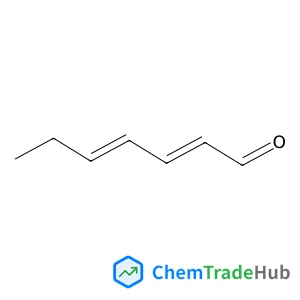
CAS Number
Related Products
![2',3a-Dimethylhexahydro-2'H-spiro[[1,3]dithiolo[4,5-b]furan-2,3'-furan]](https://static.chemtradehub.com/structs/383/38325-25-6-4652.webp)
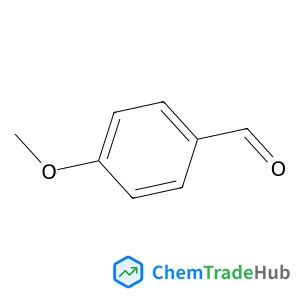
4-Methoxybenzaldehyde
CAS Number: 123-11-5
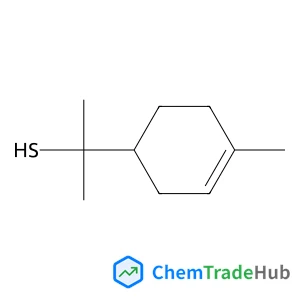
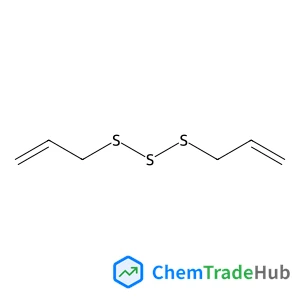
Diallyltrisulfane
CAS Number: 2050-87-5
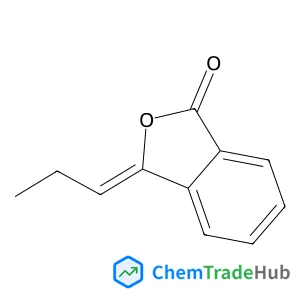
![2-Methyl-5,7-dihydrothieno[3,4-d]pyrimidine](https://static.chemtradehub.com/structs/362/36267-71-7-db69.webp)
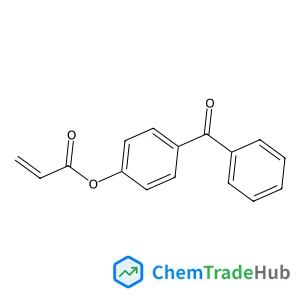
4-Benzoylphenyl acrylate
CAS Number: 22535-49-5
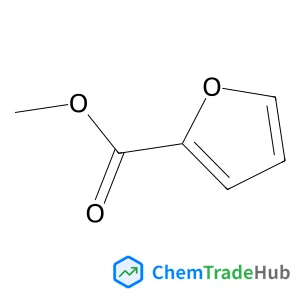
Methyl 2-furoate
CAS Number: 611-13-2
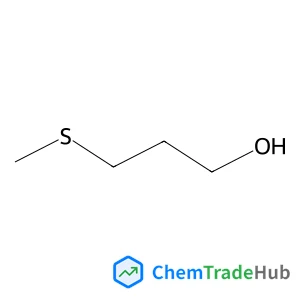
3-(Methylsulfanyl)-1-propanol
CAS Number: 505-10-2
Other Suppliers for 2,4-Heptadienal






Basic Information
Molecular Formula
C7H10O
Molecular Weight
110.16 g/mol
Physical Properties
Boiling Point
84-84.5 °C(lit.)
Flash Point
150 °F
Chemical Identifiers
SMILES
CCC=CC=CC=O
InChIKey
SATICYYAWWYRAM-UHFFFAOYSA-N
Database References
MDL Number
MFCD00007005
FAQ
2,4-Heptadienal (CAS: 5910-85-0) falls under various regulatory guidelines. It must comply with GHS (Globally Harmonized System of Classification and Labeling of Chemicals) for classification and labeling. For European markets, it is regulated under REACH (Registration, Evaluation, Authorization, and Restriction of Chemicals) for registration and risk assessment. FDA and EPA have specific requirements for its use in food and environmental applications, respectively, including proper handling and disposal methods.
There are several alternatives to 2,4-Heptadienal (CAS: 5910-85-0) in synthesis, depending on the desired properties and reaction conditions. Common alternatives include 2,5-heptadienal and 2,4-hexadienal, which can be used as isomers or substituted reagents. Other options include cyclic and linear aldehydes, which can serve similar functions in various chemical processes.
The market for 2,4-Heptadienal (CAS: 5910-85-0) is steadily growing, driven by increasing demand in applications such as flavor and fragrance, as well as pharmaceuticals. Research trends are focused on exploring its potential in polymer synthesis and as a biorenewable feedstock. Price trends suggest a stable market with minor fluctuations based on supply and demand dynamics. Emerging research fields include its use in developing sustainable materials and as a precursor in green chemistry processes.
Waste containing 2,4-Heptadienal (CAS: 5910-85-0) should be collected in appropriate containers lined with a compatible material to prevent spillage. For small quantities, incineration is a common method. For larger volumes, professional waste disposal services should be utilized to ensure environmental compliance. Proper environmental protection precautions include adequate ventilation and the use of personal protective equipment (PPE) during handling. Disposal should follow local regulations and guidelines to minimize environmental impact.
Safety Notice
Please verify product specifications and safety data before use. Contact the supplier for detailed safety information.
Always follow proper handling procedures
Contact Information
10964006@qq.com