



AD
Tripotassium phosphate(CAS: 7778-53-2)
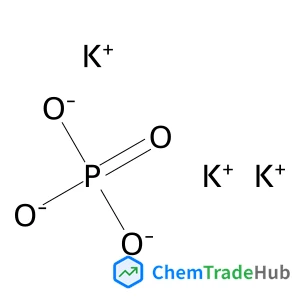
CAS Number
Related Products
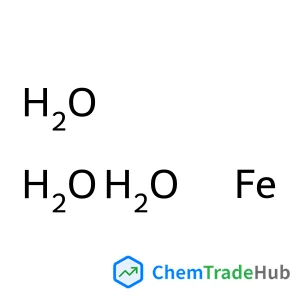
Iron hydroxide
CAS Number: 1309-33-7
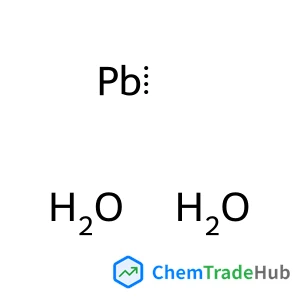
Lead(2+) dihydroxide
CAS Number: 19783-14-3
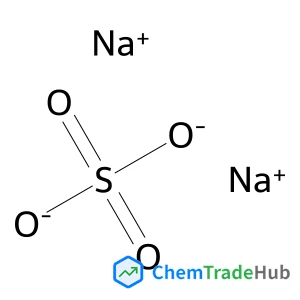
Sulfuric acid, sodium salt
CAS Number: 15124-09-1
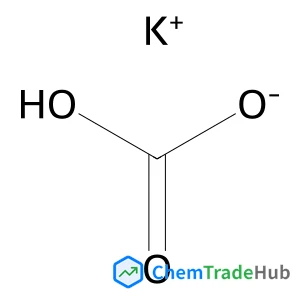
Potassium hydrogen carbonate
CAS Number: 298-14-6
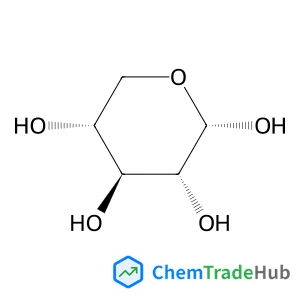
alpha-D-Xylopyranose
CAS Number: 6763-34-4
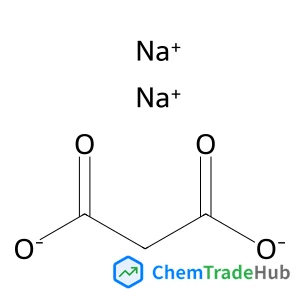
Disodium malonate
CAS Number: 141-95-7
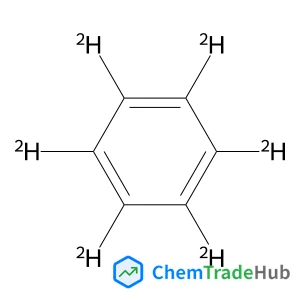
Benzene-d6
CAS Number: 1076-43-3
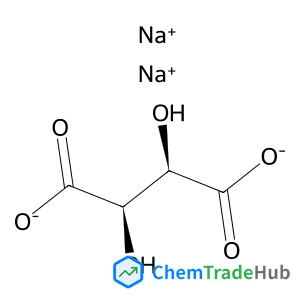
Disodium (2R,3R)-2,3-dihydroxysuccinate
CAS Number: 868-18-8
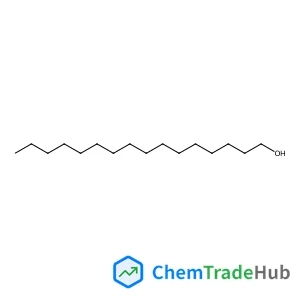
1-Hexadecanol
CAS Number: 36653-82-4
Other Suppliers for Tripotassium phosphate



Basic Information
Molecular Formula
K3O4P
Molecular Weight
212.27 g/mol
Physical Properties
Melting Point
1340 ºC
Density
2.564 g/mL at 25 °C(lit.)
Water Solubility
50.8 g/100 mL (25 ºC)
Chemical Identifiers
SMILES
[O-]P(=O)([O-])[O-].[K+].[K+].[K+]
InChIKey
LWIHDJKSTIGBAC-UHFFFAOYSA-K
Database References
MDL Number
MFCD00036295
FAQ
Tripotassium phosphate is a chemical compound with the formula K3PO4. It is a white, water-soluble powder that is commonly used as a buffering agent and in various industrial applications. It has a high melting point and is stable under normal conditions, making it suitable for use in multiple sectors.
Tripotassium phosphate is used in pharmaceuticals as a stabilizer and in food products as a leavening agent. It also finds applications in agriculture as a fertilizer, in water treatment for pH adjustment, and in research for buffer solutions. Its versatility makes it a key component in many chemical processes and products.
Tripotassium phosphate is generally considered safe when handled properly. However, it can be harmful if inhaled, ingested, or comes into contact with skin or eyes. Protective measures such as gloves, goggles, and proper ventilation should be used. It is classified as non-toxic under standard safety guidelines but should be treated with caution in industrial settings.
Tripotassium phosphate should be stored in a cool, dry place away from moisture and direct sunlight. It is typically kept in airtight containers to prevent contamination. The ideal storage temperature is between 15°C and 25°C, and it remains stable under these conditions. Avoid exposure to strong acids or bases to maintain its integrity.
Safety Notice
Please verify product specifications and safety data before use. Contact the supplier for detailed safety information.
Always follow proper handling procedures
Contact Information
Contact Person
Mr. Gao