



AD
Diisopropyl Azodicarboxylate (DIAD)(CAS: 2446-83-5)
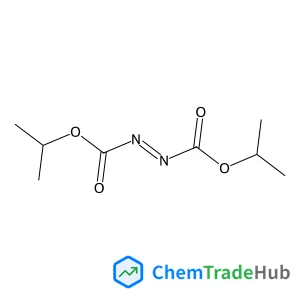
CAS Number
Related Products
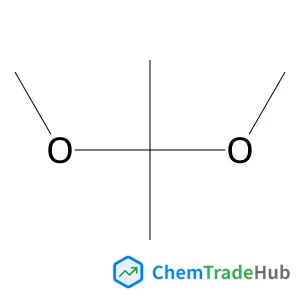
2,2-Dimethoxypropane
CAS Number: 77-76-9
![N-[4-(4-Fluorophenyl)-5-formyl-6-isopropyl-2-pyrimidinyl]-N-methylmethanesulfonamide](https://static.chemtradehub.com/structs/147/147118-37-4-324f.webp)
![9,10-Difluoro-3-methyl-7-oxo-2,3-dihydro-7H-[1,4]oxazino[2,3,4-ij]quinoline-6-carboxylic acid](https://static.chemtradehub.com/structs/824/82419-35-0-4960.webp)
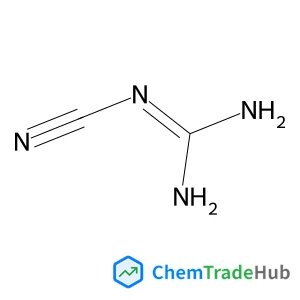
2-cyanoguanidine
CAS Number: 461-58-5

1,4,7,10,13,16-hexaoxacyclooctadecane
CAS Number: 17455-13-9
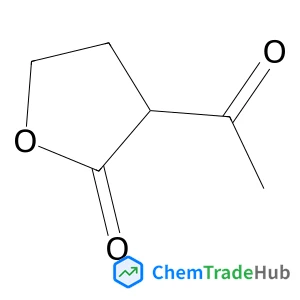
3-Acetyldihydro-2(3H)-furanone
CAS Number: 517-23-7
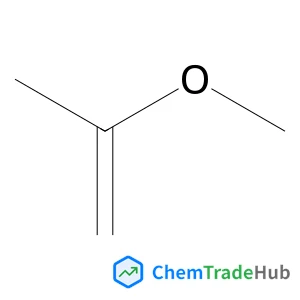
2-Methoxy-1-propene
CAS Number: 116-11-0
1,3-Benzothiazole-2-thiol
CAS Number: 149-30-4
Other Suppliers for Diisopropyl Azodicarboxylate (DIAD)







Basic Information
Molecular Formula
C8H14N2O4
Molecular Weight
202.21 g/mol
Physical Properties
Melting Point
3-5 ºC
Boiling Point
75 °C/0.25 mmHg(lit.)
Chemical Identifiers
SMILES
CC(C)OC(=O)N=NC(=O)OC(C)C
InChIKey
VVWRJUBEIPHGQF-MDZDMXLPSA-N
Database References
MDL Number
MFCD00008875
Beilstein Registry Number
1912326
FAQ
Diisopropyl Azodicarboxylate (DIAD), with the CAS number 2446-83-5, is a colorless liquid used extensively in organic synthesis. Its chemical formula is C8H17NO4, and it exhibits strong oxidizing properties. DIAD is known for its reactivity and is commonly employed as an acylating agent in chemical reactions, particularly in the pharmaceutical industry for drug development and functional group modification.
Diisopropyl Azodicarboxylate (DIAD) is primarily used in pharmaceuticals for synthesizing complex molecules, in industry for chemical oxidation processes, and in research for organic reactions. It serves as a key reagent in the preparation of amino acid derivatives and is valued for its ability to act as an acylating agent. Additionally, DIAD is utilized in the production of fine chemicals and as a precursor in various chemical transformations.
Diisopropyl Azodicarboxylate (DIAD) is a hazardous chemical with potential toxicity. It can cause skin irritation, respiratory issues, and is harmful if ingested. Safety precautions include using protective gear like gloves and goggles, working in a well-ventilate area, and adhering to OSHA guidelines. Proper handling is essential to minimize exposure and ensure compliance with safety standards for chemical use.
Diisopropyl Azodicarboxylate (DIAD) should be stored in a cool, dry, and dark place, ideally at 25°C. It requires a sealed container to prevent moisture absorption and degradation. Storage away from incompatible materials like acids or reducing agents is crucial. Due to its flammable nature, it should be kept in a fire-safe area and protected from light and heat to maintain stability and safety.
Safety Notice
Please verify product specifications and safety data before use. Contact the supplier for detailed safety information.
Always follow proper handling procedures