



AD
3-(1H-1,2,4-Triazol-1-ylmethyl)benzoic acid(CAS: 857284-23-2)
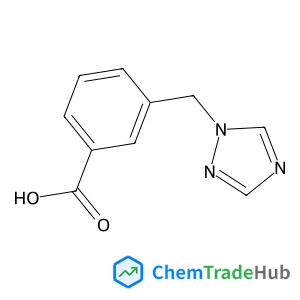
CAS Number
Related Products
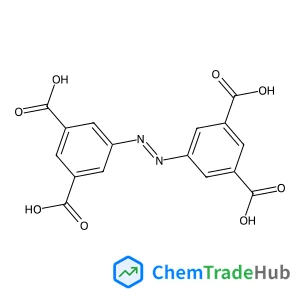
TAZBH4
CAS Number: 365549-33-3
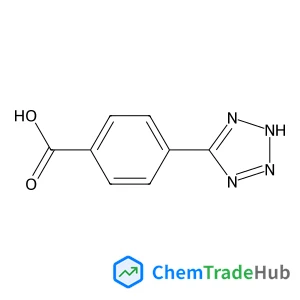
4-(1H-Tetrazol-5-yl)benzoic acid
CAS Number: 34114-12-0
![2,7-Di(4-pyridinyl)benzo[lmn][3,8]phenanthroline-1,3,6,8(2H,7H)-tetrone](https://static.chemtradehub.com/structs/341/34151-49-0-4701.webp)
![N'-[(E)-4-Pyridinylmethylene]isonicotinohydrazide](https://static.chemtradehub.com/structs/130/13025-99-5-405a.webp)
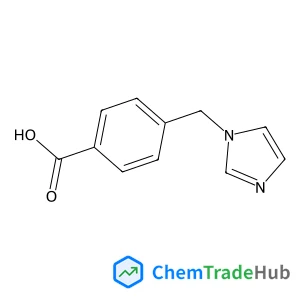
4-(1H-imidazol-1-ylmethyl)benzoic acid
CAS Number: 94084-75-0
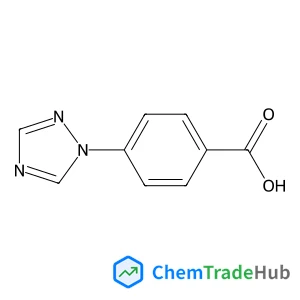
4-(1H-1,2,4-Triazol-1-yl)benzoic acid
CAS Number: 162848-16-0
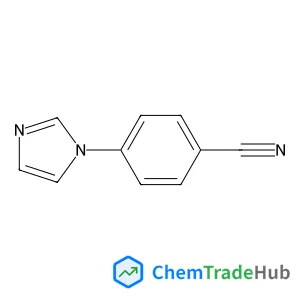
4-(1H-Imidazol-1-yl)benzonitrile
CAS Number: 25372-03-6
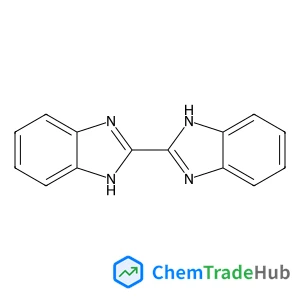
2,2'-Bi-1H-benzimidazole
CAS Number: 6965-02-2
Other Suppliers for 3-(1H-1,2,4-Triazol-1-ylmethyl)benzoic acid




Basic Information
Molecular Formula
C10H9N3O2
Molecular Weight
203.2 g/mol
Physical Properties
Melting Point
209 °C
Chemical Identifiers
SMILES
OC(=O)c1cccc(Cn2cncn2)c1
InChIKey
XIJPFLBFQZEFKY-UHFFFAOYSA-N
Database References
MDL Number
MFCD07186456
FAQ
3-(1H-1,2,4-Triazol-1-ylmethyl)benzoic acid (CAS: 857284-23-2) falls under the classification of a pharmaceutical intermediate and is subject to various regulatory guidelines including REACH for European manufacturers, GHS for worldwide shipment and handling, and FDA/EPA requirements in the United States. Specific regulations may include safety data sheets (SDS), hazard communication standards, and SDS requirements.
For synthesis purposes, there are several alternatives to 3-(1H-1,2,4-Triazol-1-ylmethyl)benzoic acid (CAS: 857284-23-2), such as other substituted benzoic acids or triazole derivatives. These can serve as effective substitutes depending on the specific application. Common alternatives include 2-(1H-1,2,4-Triazol-1-yl)benzoic acid or related compounds that can be synthesized using similar procedures.
The market for 3-(1H-1,2,4-Triazol-1-ylmethyl)benzoic acid (CAS: 857284-23-2) is growing due to its applications in pharmaceuticals and other chemical industries. Research trends are focusing on its potential uses as an antimicrobial agent and its role in developing new drug candidates. Additionally, there is increasing interest in exploring its environmental and industrial applications, driving demand and research efforts.
Waste containing 3-(1H-1,2,4-Triazol-1-ylmethyl)benzoic acid (CAS: 857284-23-2) should be handled according to hazardous waste regulations. It is recommended to collect and store the waste in a sealed container, ensuring proper labeling and segregation. The waste should be disposed of through professional waste disposal services that are compliant with local and international environmental protection laws. Incineration or other professional disposal methods are typically employed to ensure safe and sustainable waste management.
Safety Notice
Please verify product specifications and safety data before use. Contact the supplier for detailed safety information.
Always follow proper handling procedures
Contact Information
sdsuozhili@163.com