



AD
Iodobenzene(CAS: 591-50-4)
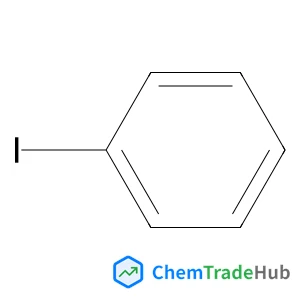
CAS Number
Related Products
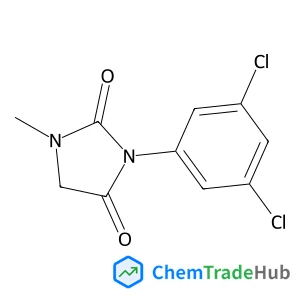
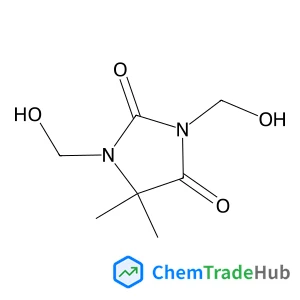
DMDM Hydantoin
CAS Number: 6440-58-0
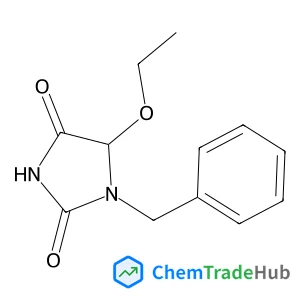
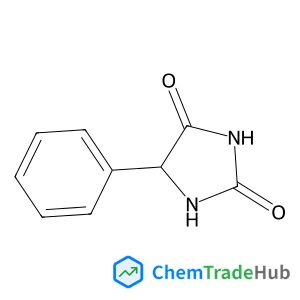
5-Phenyl-2,4-imidazolidinedione
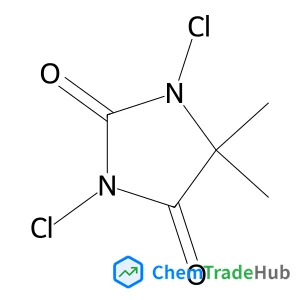
CAS Number: 89-24-7
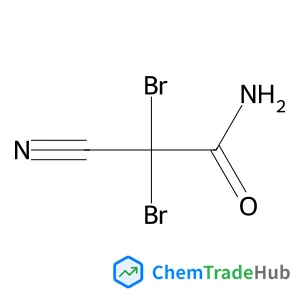
Acetamide, 2,2-dibromo-2-cyano-
CAS Number: 10222-01-2
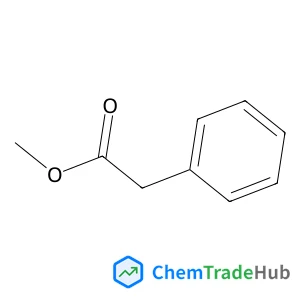
Methyl phenylacetate
CAS Number: 101-41-7
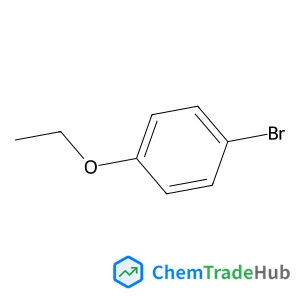
1-Bromo-4-ethoxybenzene
CAS Number: 588-96-5
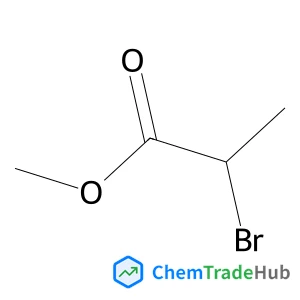
Methyl 2-bromopropanoate
CAS Number: 5445-17-0
Other Suppliers for Iodobenzene




Basic Information
Molecular Formula
C6H5I
Molecular Weight
204.01 g/mol
EINECS
209-719-6
Physical State
Clear yellow
Physical Properties
Melting Point
-29 °C (lit.)
Boiling Point
188 °C (lit.)
Density
1.823 g/mL at 25 °C (lit.)
Flash Point
74 °C
Water Solubility
insoluble
Chemical Identifiers
SMILES
C1=CC=C(C=C1)I
InChIKey
SNHMUERNLJLMHN-UHFFFAOYSA-N
Database References
MDL Number
MFCD00001029
Beilstein Registry Number
1446140
FAQ
Iodobenzene is an organic compound with the chemical formula C6H5I. It is a colorless to pale yellow liquid with a distinctive odor. Iodobenzene is known for its high reactivity and is commonly used as an intermediate in chemical synthesis. Its molecular structure consists of a benzene ring substituted with an iodine atom, making it a valuable starting material in the production of various pharmaceuticals and dyes.
Iodobenzene is primarily used in the pharmaceutical industry for the synthesis of iodinated compounds and drugs. It also finds applications in organic chemistry research, dye manufacturing, and as a precursor in the production of other iodinated aromatic compounds. Additionally, it is used in some industrial processes and as a solvent in specific applications due to its solubility properties.
Iodobenzene is toxic if inhaled, ingested, or absorbed through the skin. It should be handled with appropriate protective equipment, such as gloves and goggles, and in a well-ventilated area. Safety standards recommend avoiding prolonged exposure and following OSHA guidelines for chemical handling. It is classified as a hazardous substance and requires careful storage and disposal to ensure safety.
Iodobenzene should be stored in a cool, dry, and well-ventilated area, away from light and incompatible materials. It is typically kept in sealed glass or plastic containers in a controlled environment at temperatures below 25°C. Due to its reactivity, it should be protected from moisture and stored in a fume cupboard or under an inert atmosphere to maintain stability and safety.
Safety Notice
Please verify product specifications and safety data before use. Contact the supplier for detailed safety information.
Always follow proper handling procedures