



AD
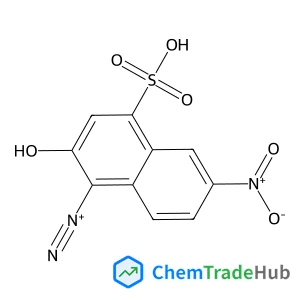
6-Nitro-1-diazo-2-naphthol-4-sulfonicacid(CAS: 50412-00-5)
CAS Number
Related Products

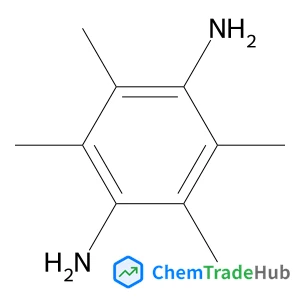
2,3,5,6-Tetramethyl-1,4-benzenediamine
CAS Number: 3102-87-2
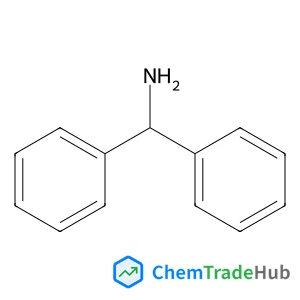
1,1-Diphenylmethanamine
CAS Number: 91-00-9
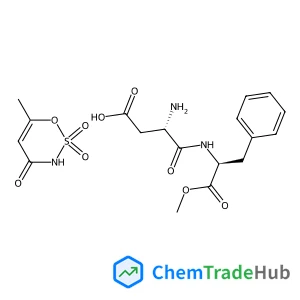
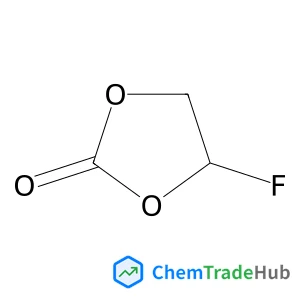
4-fluoro-1,3-dioxolan-2-one
CAS Number: 114435-02-8
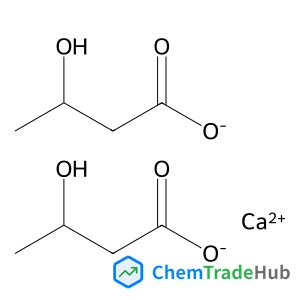
3-Hydroxybutanoic acid calcium salt
CAS Number: 586976-56-9
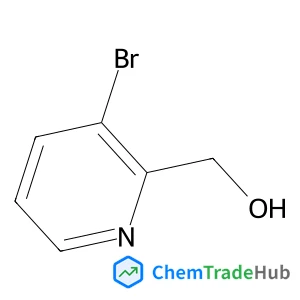
(3-Bromo-2-pyridinyl)methanol
CAS Number: 52378-64-0

Other Suppliers for 6-Nitro-1-diazo-2-naphthol-4-sulfonicacid


Basic Information
Molecular Formula
C10H6N3O6S+
Molecular Weight
296.24 g/mol
Chemical Identifiers
SMILES
C1=CC2=C(C(=CC(=C2C=C1[N+](=O)[O-])S(=O)(=O)O)O)[N+]#N
InChIKey
CCFWJWRQXDDAEJ-UHFFFAOYSA-O
Database References
MDL Number
MFCD00035833
FAQ
6-Nitro-1-diazo-2-naphthol-4-sulfonicacid (CAS: 50412-00-5) falls under the GHS classification as a hazardous chemical due to its potential for skin and eye irritation. It is subject to REACH regulations in the European Union, requiring registration and assessment by producers and importers. FDA and EPA may also have specific requirements for its handling, transport, and storage, especially when used in pharmaceuticals or cosmetics.
6-Nitro-1-diazo-2-naphthol-4-sulfonicacid (CAS: 50412-00-5) can be replaced by its analogs such as 1-diazo-2-naphthol-4-sulfonicacid or other diazonium salts with similar substituents. Common alternative reagents include nitro compounds like nitrobenzene or nitro derivatives of benzene rings, which can serve similar functional groups in the synthesis of dyes and intermediates.
The market for 6-Nitro-1-diazo-2-naphthol-4-sulfonicacid (CAS: 50412-00-5) is primarily driven by its applications in the dye industry, as a key intermediate in the synthesis of various dyes. Research trends focus on developing more efficient and environmentally friendly synthesis methods, as well as exploring its use in pharmaceuticals and analytical chemistry. The demand is expected to grow with increasing focus on sustainable practices and novel chemical applications.
Waste containing 6-Nitro-1-diazo-2-naphthol-4-sulfonicacid (CAS: 50412-00-5) should be collected and stored in a sealed container to prevent leakage. Proper disposal should be carried out through professional waste management services, which can handle hazardous chemicals according to local regulations. Additional precautions include ensuring the waste is neutralized before disposal to minimize environmental impact and protect public health.
Safety Notice
Please verify product specifications and safety data before use. Contact the supplier for detailed safety information.
Always follow proper handling procedures
Contact Information
Contact Person
Min Huiping
3771156959@qq.com