



AD
1,3-Dichloro-1,1,3,3-tetraphenyldisiloxane(CAS: 7756-87-8)
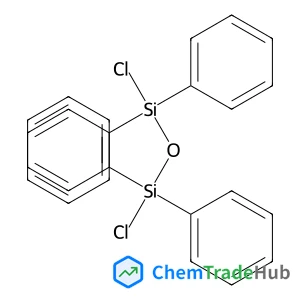
CAS Number
Related Products
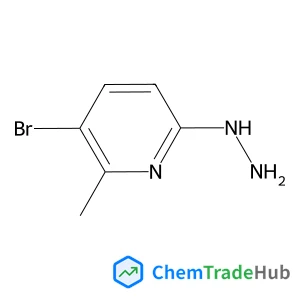
3-Bromo-6-hydrazinyl-2-methylpyridine
CAS Number: 39919-66-9
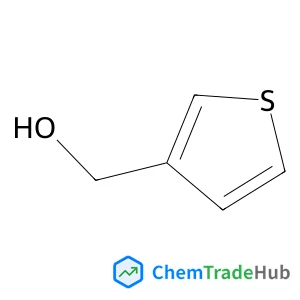
3-Thienylmethanol
CAS Number: 71637-34-8
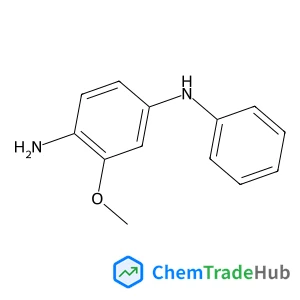
3-Methoxy-N1-phenylbenzene-1,4-diamine
CAS Number: 5840-10-8
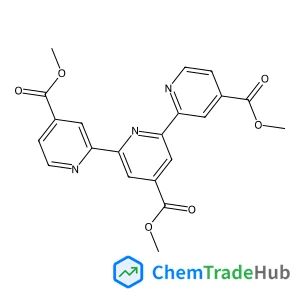
![5-Isoquinolinesulfonamide, N-[2-[[3-(4-bromophenyl)-2-propen-1-yl]amino]ethyl]-](https://static.chemtradehub.com/structs/127/127243-85-0-0f72.webp)
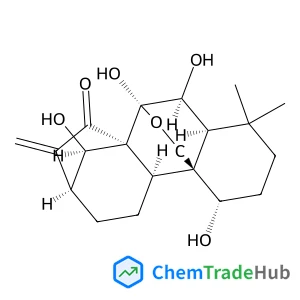
Oridonin
CAS Number: 28957-04-2
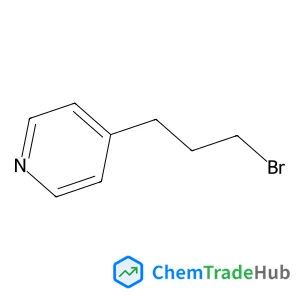
4-(3-Bromopropyl)pyridine
CAS Number: 40337-66-4
Other Suppliers for 1,3-Dichloro-1,1,3,3-tetraphenyldisiloxane







Basic Information
Molecular Formula
C24H20Cl2OSi2
Molecular Weight
451.5 g/mol
Physical Properties
Melting Point
36-38°C
Boiling Point
238 °C
Density
1.194 g/mL at 25 °C(lit.)
Flash Point
>180°C
Chemical Identifiers
SMILES
C1=CC=C(C=C1)[Si](C2=CC=CC=C2)(O[Si](C3=CC=CC=C3)(C4=CC=CC=C4)Cl)Cl
InChIKey
YQULWRCMYAXEAV-UHFFFAOYSA-N
Database References
MDL Number
MFCD00039297
FAQ
1,3-Dichloro-1,1,3,3-tetraphenyldisiloxane (CAS: 7756-87-8) falls under the scope of the REACH regulation in the European Union, which requires registration, evaluation, authorization, and restriction of chemical substances. Under the Globally Harmonized System of Classification and Labelling of Chemicals (GHS), it is classified as flammable liquid category 2, and may also require labeling as hazardous for the environment. Additionally, it should comply with FDA and EPA regulations in the United States, particularly regarding its use in consumer products and potential environmental discharge.
For 1,3-Dichloro-1,1,3,3-tetraphenyldisiloxane (CAS: 7756-87-8), there are alternatives such as dichlorodiphenyldisiloxane and other organosiloxanes with varying chloro and phenyl substituents. These alternatives can be used in synthesis depending on the specific requirements and functional groups needed in the final product.
1,3-Dichloro-1,1,3,3-tetraphenyldisiloxane (CAS: 7756-87-8) is primarily used in the synthesis of organosilicon compounds, particularly in the production of silicone rubbers and adhesives. Research trends are focusing on exploring its potential in electronic applications, such as encapsulants and potting compounds, as well as in biomedical applications like drug delivery systems. Market trends show steady demand, driven by increasing industrial and medical uses.
Waste containing 1,3-Dichloro-1,1,3,3-tetraphenyldisiloxane (CAS: 7756-87-8) should be collected in sealed, leak-proof containers and disposed of through professional waste disposal services. Incineration is a common method for disposal, provided it is conducted in an appropriately licensed facility. Environmental protection measures include ensuring that the waste does not contaminate soil or water sources, and that proper disposal methods are followed to minimize environmental impact.
Safety Notice
Please verify product specifications and safety data before use. Contact the supplier for detailed safety information.
Always follow proper handling procedures
Contact Information
2355265332@qq.com