



AD
3-Ethoxypropanenitrile(CAS: 2141-62-0)
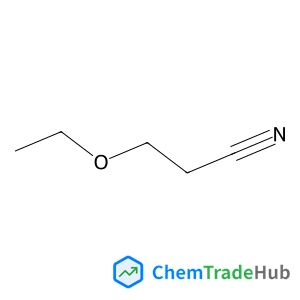
CAS Number
Related Products
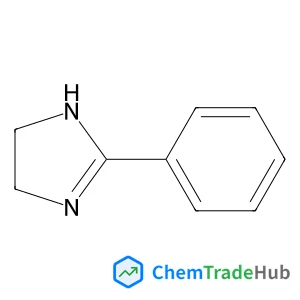
2-Phenyl-2-imidazoline
CAS Number: 936-49-2
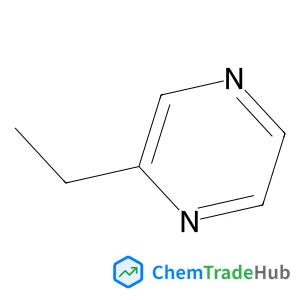
2-Ethylpyrazine
CAS Number: 13925-00-3
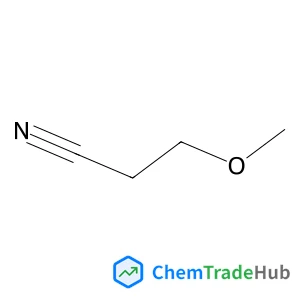
3-Methoxypropanenitrile
CAS Number: 110-67-8
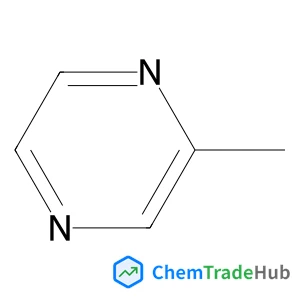
2-Methylpyrazine
CAS Number: 109-08-0
1-Phenyl-2-pyrrolidinone
CAS Number: 4641-57-0
Other Suppliers for 3-Ethoxypropanenitrile





Basic Information
Molecular Formula
C5H9NO
Molecular Weight
88.15 g/mol
Physical Properties
Boiling Point
171°C
Flash Point
64 ºC
Chemical Identifiers
SMILES
CCOCCC#N
InChIKey
DCWQZPJHHVLHSV-UHFFFAOYSA-N
Database References
MDL Number
MFCD00001959
Beilstein Registry Number
1720500
FAQ
3-Ethoxypropanenitrile (CAS: 2141-62-0) is regulated under the Globally Harmonized System of Classification and Labelling of Chemicals (GHS) as a chemical that may be toxic if swallowed. In the European Union, it must comply with REACH regulations, which require manufacturers and importers to register substances if they are manufactured or imported in quantities of 1 tonne or more per year. For FDA and EPA requirements, proper labeling and documentation of the chemical are necessary to ensure compliance with U.S. regulations regarding the use and handling of hazardous substances.
Yes, there are alternatives to 3-Ethoxypropanenitrile (CAS: 2141-62-0) in synthesis. For instance, 2-Ethoxypropanenitrile or other nitriles with different alcohol groups can be used as substitutes depending on the specific synthesis requirements. These alternatives can provide similar functional groups but with different reactivity and solubility profiles, allowing for tailored chemical reactions.
The market for 3-Ethoxypropanenitrile (CAS: 2141-62-0) is driven by its applications in the pharmaceutical and agrochemical industries. Recent research trends focus on its use as a building block for drug synthesis and its potential as an intermediate in the production of herbicides. As regulatory guidelines and safety concerns continue to evolve, there is a growing focus on the development of greener and more sustainable alternatives, which could influence future market trends.
Waste containing 3-Ethoxypropanenitrile (CAS: 2141-62-0) should be collected in appropriate containers and stored in a well-ventilated area away from ignition sources. It should be disposed of through professional waste disposal services that adhere to local and international environmental regulations. Incineration is a common method, but it must be conducted in an enclosed system to prevent the release of harmful gases. Environmental protection measures should include proper containment to prevent soil and water contamination during disposal operations.
Safety Notice
Please verify product specifications and safety data before use. Contact the supplier for detailed safety information.
Always follow proper handling procedures
Contact Information
Contact Person
Mr. Zhuang