



AD
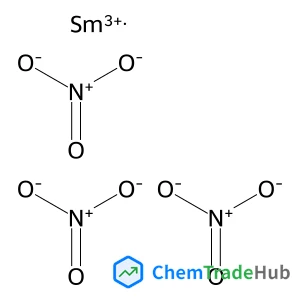
samarium(+2) cation trinitrate(CAS: 10361-83-8)
CAS Number
Related Products
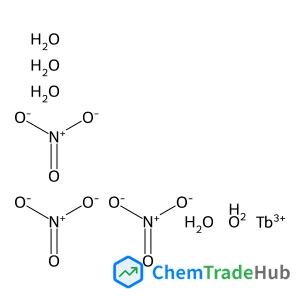
Terbium(III) nitrate pentahydrate
CAS Number: 57584-27-7
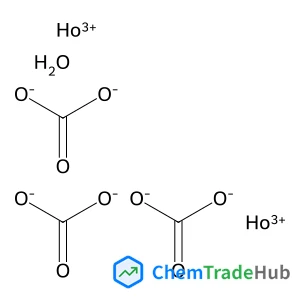
HOLMIUM CARBONATE HYDRATE
CAS Number: 38245-34-0
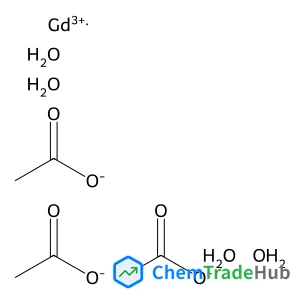
Gadolinium Acetate
CAS Number: 15280-53-2
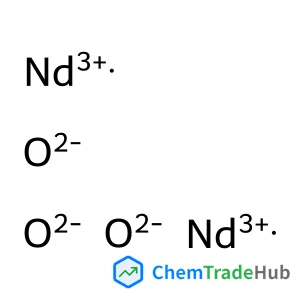
oxo(oxoneodymiooxy)neodymium
CAS Number: 1313-97-9
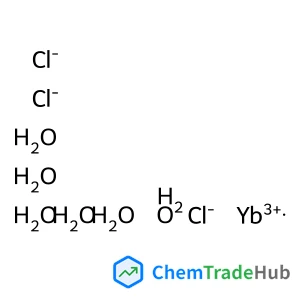
Ytterbium(iii) chloride hexahydrate
CAS Number: 10035-01-5
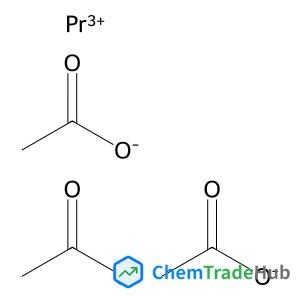
Praseodymium(III) acetate pentahydrate
CAS Number: 6192-12-7
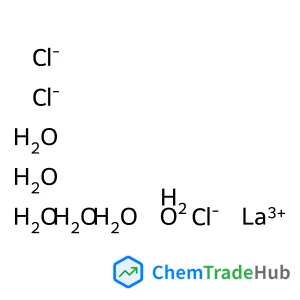
Lanthanum (III) chloride hexahydrate
CAS Number: 17272-45-6
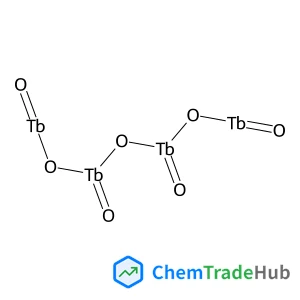
Terbium oxide (Tb4O7)
CAS Number: 12037-01-3
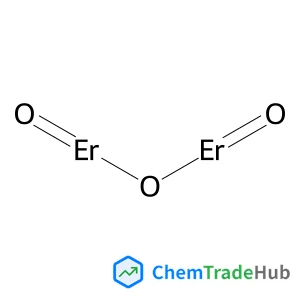
oxo(oxoerbiooxy)erbium
CAS Number: 12061-16-4
Other Suppliers for samarium(+2) cation trinitrate




Basic Information
Molecular Formula
N3O9Sm
Molecular Weight
336.37 g/mol
EINECS
233-798-6
Physical Properties
Density
2.389[at 20℃]
Water Solubility
1220g/L at 20℃
Chemical Identifiers
SMILES
[N+](=O)([O-])[O-].[N+](=O)([O-])[O-].[N+](=O)([O-])[O-].[Sm+3]
InChIKey
RJGSRFAAVMITAF-UHFFFAOYSA-N
Database References
MDL Number
MFCD00799152
FAQ
Samarium(+2) cation trinitrate (CAS: 10361-83-8) is a solid, crystalline compound with a molecular weight of approximately 343.11 g/mol. It is highly soluble in water and less soluble in ethanol. Chemically, it is a strong oxidizer and exhibits moderate reactivity with reducing agents. It is stable in dry conditions but should be stored away from moisture and reducing substances.
Samarium(+2) cation trinitrate is typically synthesized by treating samarium nitrate with sulfuric acid and then precipitating the samarium trinitrate with water. The reaction is carried out under mild conditions, and the product is isolated by filtration and drying. This method ensures high yield and purity of the compound.
Samarium(+2) cation trinitrate (CAS: 10361-83-8) is primarily used in the pharmaceutical industry for the synthesis of samarium compounds, and in the electronics industry for the production of samarium-based materials. It is also used in the development of sensors and semiconductors due to its unique electronic properties.
When handling samarium(+2) cation trinitrate (CAS: 10361-83-8), wear appropriate personal protective equipment (PPE) such as gloves, goggles, and a lab coat to protect against skin and eye contact. Work in a well-ventilated area or a fume hood. Avoid contact with water and reducing agents. In case of spill, neutralize with a base and dispose of according to local regulations. Always refer to the Safety Data Sheet (SDS) for detailed information on safety measures and emergency procedures.
Safety Notice
Please verify product specifications and safety data before use. Contact the supplier for detailed safety information.
Always follow proper handling procedures
Contact Information
1918091077@qq.com