



AD
(R)-3-Amino-4-hydroxybutanoic acid(CAS: 16504-56-6)
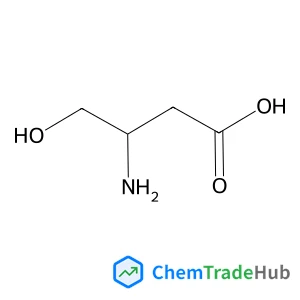
CAS Number
Related Products
![(2R)-2,7,8-Trimethyl-2-[(4R,8R)-4,8,12-trimethyltridecyl]-6-chromanol](https://static.chemtradehub.com/structs/54-/54-28-4-155c.webp)
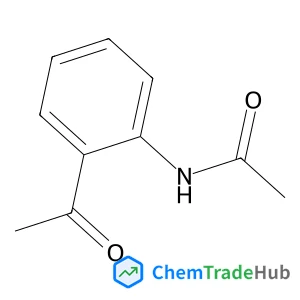
N-(2-Acetylphenyl)acetamide
CAS Number: 5234-26-4
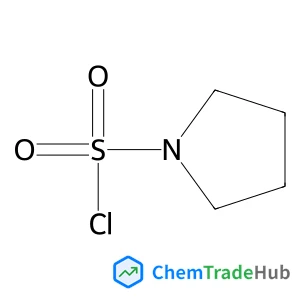
1-Pyrrolidinesulfonyl chloride
CAS Number: 1689-02-7
![3-Hexyl-2-[3-(3-hexyl-1,3-benzoxazol-2(3H)-ylidene)-1-propen-1-yl]-1,3-benzoxazol-3-ium iodide](https://static.chemtradehub.com/structs/532/53213-82-4-e483.webp)
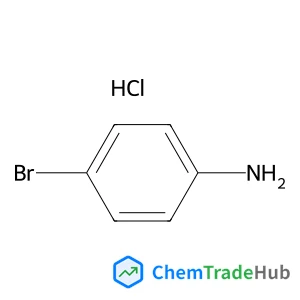
4-Bromoaniline hydrochloride (1:1)
CAS Number: 624-19-1
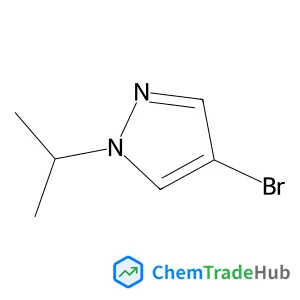
4-Bromo-1-isopropyl-1H-pyrazole
CAS Number: 313735-62-5
Other Suppliers for (R)-3-Amino-4-hydroxybutanoic acid





Basic Information
Molecular Formula
C4H9NO3
Molecular Weight
119.12 g/mol
Chemical Identifiers
SMILES
C(C(CO)N)C(=O)O
InChIKey
BUZICZZQJDLXJN-GSVOUGTGSA-N
Database References
MDL Number
MFCD00270242
FAQ
The (R)-3-Amino-4-hydroxybutanoic acid (CAS: 16504-56-6) falls under the scope of the REACH regulations in the European Union, which requires manufacturers and importers to register substances based on their tonnage. In North America, it is subject to the EPA's TSCA (Toxic Substances Control Act) for certain applications. Additionally, the FDA regulates its use in pharmaceutical and food contact applications. It is also important to check local regulations and ensure compliance with GHS (Globally Harmonized System of Classification and Labeling of Chemicals) for proper handling and labeling.
Alternatives to (R)-3-Amino-4-hydroxybutanoic acid (CAS: 16504-56-6) include other amino acids with similar functional groups, such as (S)-3-Amino-4-hydroxybutanoic acid or other cyclic amino acids. Common alternative reagents in synthesis include amino acids like alanine or serine, which can be derived from natural precursors or synthetic pathways. Additionally, asymmetric synthesis techniques can be employed to generate the (R)-isomer from (S)-isomers or racemic mixtures.
The market for (R)-3-Amino-4-hydroxybutanoic acid (CAS: 16504-56-6) is growing due to its applications in pharmaceuticals, particularly as a precursor in the synthesis of biologically active compounds. Research trends include the development of new synthetic methods and the exploration of its potential in treating neurological disorders. Market demand is influenced by increasing investment in drug discovery and the need for novel therapeutic agents.
Waste containing (R)-3-Amino-4-hydroxybutanoic acid (CAS: 16504-56-6) should be collected in sealed, leak-proof containers and stored in a secure, well-ventilated area. Proper disposal methods include incineration, chemical treatment, or professional waste disposal services that comply with local environmental regulations. Precautions include personal protective equipment (PPE) and the use of appropriate handling procedures to prevent exposure and contamination. Compliance with local hazardous waste disposal guidelines is essential to ensure safety and environmental protection.
Safety Notice
Please verify product specifications and safety data before use. Contact the supplier for detailed safety information.
Always follow proper handling procedures
