



AD
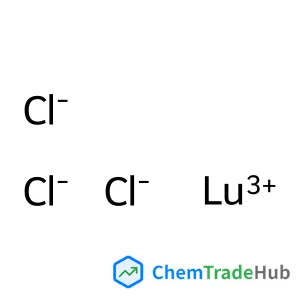
Lutetium trichloride(CAS: 10099-66-8)
CAS Number
Related Products
Zirconium dioxide
CAS Number: 1314-23-4
Thulium Oxide
CAS Number: 39455-81-7
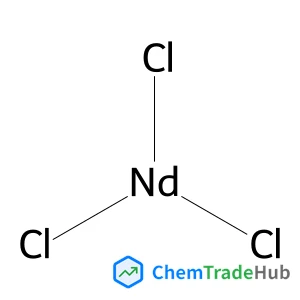
Neodymium trichloride
CAS Number: 10024-93-8
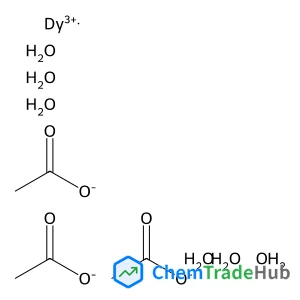
Dysprosium(III) acetate hexahydrate
CAS Number: 15280-55-4
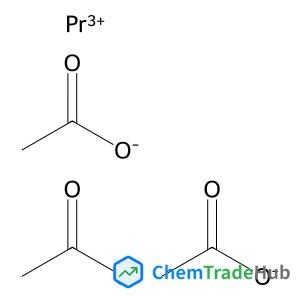
Praseodymium(III) acetate pentahydrate
CAS Number: 6192-12-7
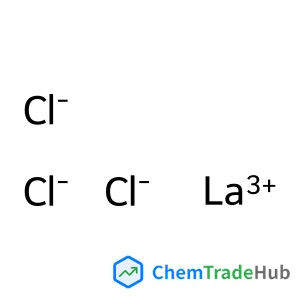
Lanthanum trichloride
CAS Number: 10099-58-8
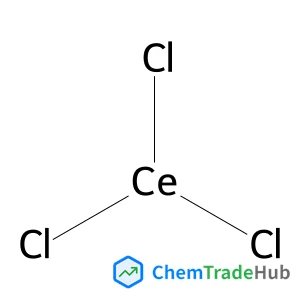
Cerium(3+) trichloride
CAS Number: 7790-86-5
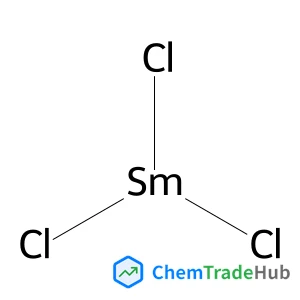
Samarium(3+) trichloride
CAS Number: 10361-82-7
Other Suppliers for Lutetium trichloride






Basic Information
Molecular Formula
Cl3Lu
Molecular Weight
281.33 g/mol
Physical Properties
Melting Point
905 °C (lit.)
Boiling Point
°Cat760mmHg
Flash Point
°C
Water Solubility
Soluble in water.
Chemical Identifiers
SMILES
[Cl-].[Cl-].[Cl-].[Lu+3]
InChIKey
AEDROEGYZIARPU-UHFFFAOYSA-K
Database References
MDL Number
MFCD00149775
FAQ
Lutetium trichloride (CAS: 10099-66-8) falls under various regulatory guidelines. It is classified under the Globally Harmonized System (GHS) as a toxic substance due to its inhalation hazards. In the European Union, it is regulated under REACH for potential human and environmental risks. For the United States, FDA and EPA have specific requirements for its handling and disposal, particularly regarding its toxicity and potential for environmental contamination.
Lutetium trichloride (CAS: 10099-66-8) can be replaced by other lanthanide trichlorides or alternative reagents like lutetium(III) nitrate or triflate depending on the specific application. These alternatives may offer similar functionality but with different handling and reactivity characteristics.
The market for lutetium trichloride (CAS: 10099-66-8) is driven by its use in high-tech applications such as nuclear reactor control rods and phosphors. Research trends show increasing interest in its role in solid-state lighting and photovoltaic technologies. Market demand is also influenced by its use in medical imaging and as a catalyst in organic synthesis.
Waste containing lutetium trichloride (CAS: 10099-66-8) should be collected in a sealed container and stored in a dry environment to prevent moisture absorption. It should be disposed of through professional waste disposal services that comply with local regulations. Proper incineration or chemical treatment may be necessary, and environmental protection measures should be taken to prevent contamination of soil and water.
Safety Notice
Please verify product specifications and safety data before use. Contact the supplier for detailed safety information.
Always follow proper handling procedures
Contact Information
Chinasdjenny@hotmail.com