



AD
2-({[(2-Methyl-2-propanyl)oxy]carbonyl}amino)-1,3-thiazole-4-carboxylic acid(CAS: 83673-98-7)
![2-({[(2-Methyl-2-propanyl)oxy]carbonyl}amino)-1,3-thiazole-4-carboxylic acid](https://static.chemtradehub.com/structs/836/83673-98-7-47fa.webp "2-({[(2-Methyl-2-propanyl)oxy]carbonyl}amino)-1,3-thiazole-4-carboxylic acid")
CAS Number
Related Products
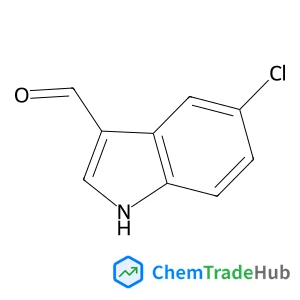
5-Chloro-1H-indole-3-carbaldehyde
CAS Number: 827-01-0
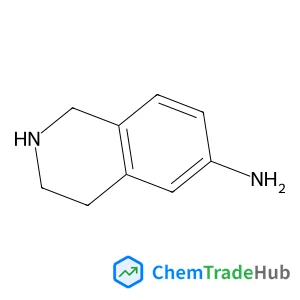
1,2,3,4-tetrahydroisoquinolin-6-amine
CAS Number: 72299-67-3
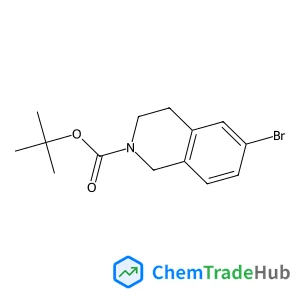
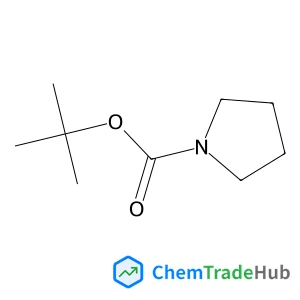
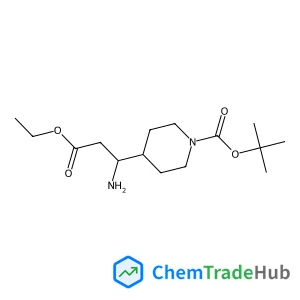
![(2S)-4-{[(2-Methyl-2-propanyl)oxy]carbonyl}-2-piperazinecarboxylic acid](https://static.chemtradehub.com/structs/848/848482-93-9-4072.webp)
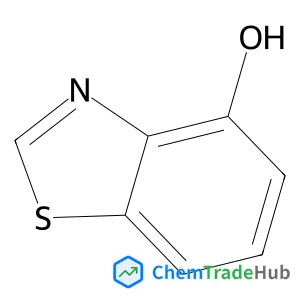
1,3-Benzothiazol-4-ol
CAS Number: 7405-23-4
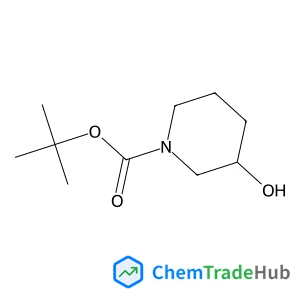
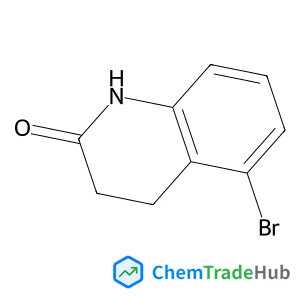
5-Bromo-3,4-dihydro-2(1H)-quinolinone
CAS Number: 880094-83-7
Other Suppliers for 2-({[(2-Methyl-2-propanyl)oxy]carbonyl}amino)-1,3-thiazole-4-carboxylic acid
![2-({[(2-Methyl-2-propanyl)oxy]carbonyl}amino)-1,3-thiazole-4-carboxylic acid — Shanghai Yuyeh Biotechnology Co., Ltd.](https://static.chemtradehub.com/suppliers/67ce9f132b2de6e8e95a48fe/67ce9f132b2de6e8e95a48fe-logo.webp)
![2-({[(2-Methyl-2-propanyl)oxy]carbonyl}amino)-1,3-thiazole-4-carboxylic acid — Changzhou SanTai Technology Co., Ltd.](https://static.chemtradehub.com/suppliers/67cec8372b2de6e8e95a50c8/67cec8372b2de6e8e95a50c8-logo.webp)
![2-({[(2-Methyl-2-propanyl)oxy]carbonyl}amino)-1,3-thiazole-4-carboxylic acid — Aldlab Chemicals, LLC](https://static.chemtradehub.com/suppliers/67cec81b2b2de6e8e95a50ab/67cec81b2b2de6e8e95a50ab-logo.webp)
![2-({[(2-Methyl-2-propanyl)oxy]carbonyl}amino)-1,3-thiazole-4-carboxylic acid — ShangHaiJiZhiShengHua Technology Co Ltd](https://static.chemtradehub.com/suppliers/67cecbee2b2de6e8e95a5b72/67cecbee2b2de6e8e95a5b72-logo.webp)
![2-({[(2-Methyl-2-propanyl)oxy]carbonyl}amino)-1,3-thiazole-4-carboxylic acid — ShenZhenAiTaHuaXue Co Ltd](https://static.chemtradehub.com/suppliers/67ced0fb2b2de6e8e95a67fa/67ced0fb2b2de6e8e95a67fa-logo.webp)
![2-({[(2-Methyl-2-propanyl)oxy]carbonyl}amino)-1,3-thiazole-4-carboxylic acid — Shanghai Yinxin Laboratory Equipment Co., Ltd.](https://static.chemtradehub.com/suppliers/67cdd97a57537e5c8069adfb/67cdd97a57537e5c8069adfb-logo.webp)
![2-({[(2-Methyl-2-propanyl)oxy]carbonyl}amino)-1,3-thiazole-4-carboxylic acid — ShangHaiYiJiShengWuKeJiYouXianGongSiXiaoShouBu](https://static.chemtradehub.com/suppliers/67cecfe92b2de6e8e95a656d/67cecfe92b2de6e8e95a656d-logo.webp)
Basic Information
Molecular Formula
C9H12N2O4S
Molecular Weight
244.27 g/mol
Physical Properties
Melting Point
265-268°C
Density
1.406±0.06 g/cm3 (20 ºC 760 Torr),
Chemical Identifiers
SMILES
CC(C)(C)OC(=O)Nc1nc(cs1)C(=O)O
InChIKey
PIWSRJPUYPNQJE-UHFFFAOYSA-N
Database References
MDL Number
MFCD02181057
FAQ
The compound 2-({[(2-Methyl-2-propanyl)oxy]carbonyl}amino)-1,3-thiazole-4-carboxylic acid (CAS: 83673-98-7) falls under the scope of various regulatory guidelines. According to the Globally Harmonized System of Classification and Labelling of Chemicals (GHS), it may require classification as a skin irritant. Additionally, it is subject to reporting obligations under the Registration, Evaluation, Authorization and Restriction of Chemicals (REACH) regulation in the European Union. In the United States, the compound must comply with the Environmental Protection Agency (EPA) and Food and Drug Administration (FDA) regulations, which include proper labeling and documentation of its use and disposal.
When considering alternatives to 2-({[(2-Methyl-2-propanyl)oxy]carbonyl}amino)-1,3-thiazole-4-carboxylic acid (CAS: 83673-98-7), chemists often look at analogous compounds with similar functional groups. Examples include 2-mercapto-1,3-thiazole-4-carboxylic acid and its derivatives. Additionally, using alternative reagents such as thiazole-4-carboxylic acid itself or related carboxylic acids can provide similar functional group modifications. These alternatives can offer a more sustainable or less toxic approach depending on the specific application.
The market for 2-({[(2-Methyl-2-propanyl)oxy]carbonyl}amino)-1,3-thiazole-4-carboxylic acid (CAS: 83673-98-7) is growing due to its potential applications in pharmaceuticals and agrochemicals. Research trends indicate a focus on its use as an intermediate in drug development, particularly in antiviral and anti-inflammatory compounds. There is also increasing interest in its synthesis and purification techniques to improve yield and efficiency. Market demand is expected to rise as more applications are discovered and optimized.
Waste containing 2-({[(2-Methyl-2-propanyl)oxy]carbonyl}amino)-1,3-thiazole-4-carboxylic acid (CAS: 83673-98-7) should be managed in accordance with local environmental regulations. Typically, such waste should be collected in appropriate containers and stored in a secure, well-ventilated area. For disposal, it is recommended to use professional waste disposal services that specialize in chemical waste. Incineration is a common method, provided that it is performed in an appropriately equipped facility. Environmental protection measures include proper labeling of waste containers and adherence to all safety guidelines to prevent environmental contamination.
Safety Notice
Please verify product specifications and safety data before use. Contact the supplier for detailed safety information.
Always follow proper handling procedures
Contact Information
2982653826@qq.com