



AD
Tris(6-methylheptyl) phosphite(CAS: 25103-12-2)

CAS Number
Related Products
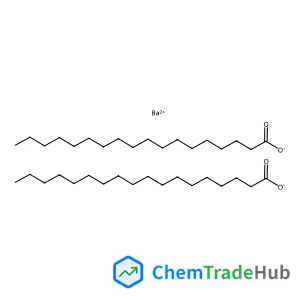
Barium dioctadecanoate
CAS Number: 6865-35-6
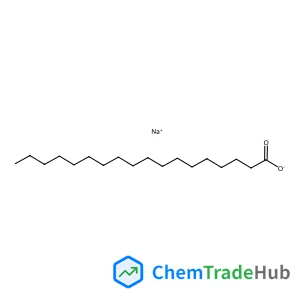
Sodium stearate
CAS Number: 822-16-2

Butyl (9Z)-9-octadecenoate
CAS Number: 142-77-8

Dibutyl sebacate
CAS Number: 109-43-3
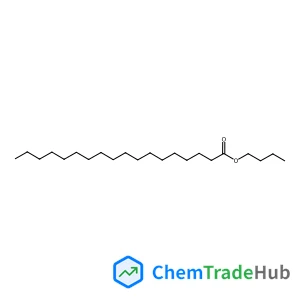
Butyl stearate
CAS Number: 123-95-5
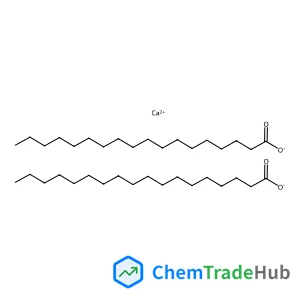
Calcium dioctadecanoate
CAS Number: 1592-23-0
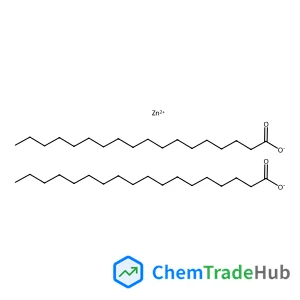
Zinc dioctadecanoate
CAS Number: 557-05-1
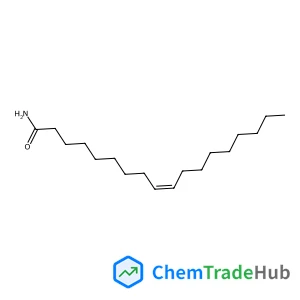
(9Z)-9-Octadecenimidic acid
CAS Number: 301-02-0
Other Suppliers for Tris(6-methylheptyl) phosphite




Basic Information
Molecular Formula
C24H51O3P
Molecular Weight
418.64 g/mol
Physical Properties
Boiling Point
414℃
Flash Point
146°C
Chemical Identifiers
SMILES
CC(C)CCCCCOP(OCCCCCC(C)C)OCCCCCC(C)C
InChIKey
DECPGQLXYYCNEZ-UHFFFAOYSA-N
Database References
MDL Number
MFCD00015057
FAQ
Tris(6-methylheptyl) phosphite (CAS: 25103-12-2) is subject to the Globally Harmonized System of Classification and Labeling of Chemicals (GHS) and REACH regulations in Europe. In the U.S., the FDA and EPA may regulate its use in specific applications. Proper labeling, storage, and handling practices must comply with these guidelines to ensure safety and environmental protection.
There are alternative phosphites that can serve similar functions in synthesis, such as triphenylphosphite or tributylphosphite. These alternatives may offer different reactivity profiles and can be chosen based on specific application requirements, cost considerations, and regulatory compliance.
The market for Tris(6-methylheptyl) phosphite is growing due to its use in the formulation of lubricants, plasticizers, and flame retardants. Research trends indicate increased focus on sustainable and eco-friendly compounds, which has led to the exploration of new derivatives and analogs. Additionally, there is ongoing interest in its use in functional polymers and adhesives.
Waste containing Tris(6-methylheptyl) phosphite should be collected in appropriate containers and stored separately. Incineration is a common method for disposal, but professional waste disposal services are recommended to ensure proper handling and minimization of environmental impact. Environmental protection measures, such as neutralization and filtration, should be considered to prevent contamination.
Safety Notice
Please verify product specifications and safety data before use. Contact the supplier for detailed safety information.
Always follow proper handling procedures
Contact Information
Contact Person
Dai Weiping