



AD
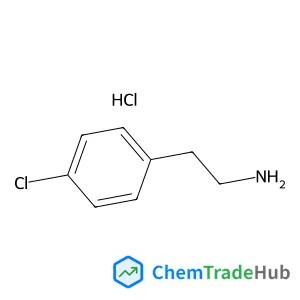
2-(4-Chlorophenyl)ethanamine hydrochloride (1:1)(CAS: 2492-83-3)
CAS Number
Related Products
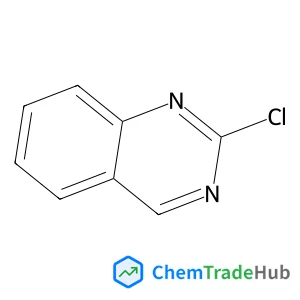
2-Chloroquinazoline
CAS Number: 6141-13-5
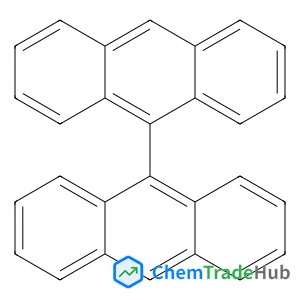
9,9'-Bianthracene
CAS Number: 1055-23-8
![4-Bromo-9,9'-spirobi[fluorene]](https://static.chemtradehub.com/structs/116/1161009-88-6-d159.webp)
4-Bromo-9,9'-spirobi[fluorene]
CAS Number: 1161009-88-6
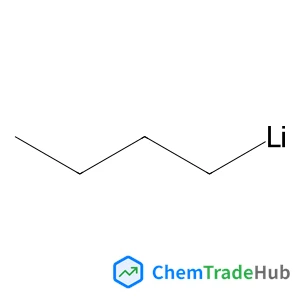
lithium(1+) ion butan-1-ide
CAS Number: 109-72-8
![[1,1'-BIPHENYL]-4,4'-DIAMINE, N,N'-BIS(4-AMINOPHENYL)-N,N'-DIPHENYL-](https://static.chemtradehub.com/structs/155/155557-65-6-be7d.webp)
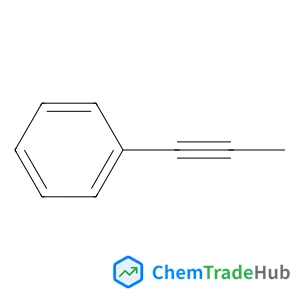
1-Propyn-1-ylbenzene
CAS Number: 673-32-5
![5,7-Dihydroindolo[2,3-b]carbazole](https://static.chemtradehub.com/structs/111/111296-90-3-461b.webp)
5,7-Dihydroindolo[2,3-b]carbazole
CAS Number: 111296-90-3
dialuminum;oxygen(2-)
CAS Number: 1344-28-1
![9,9'-Spirobi[fluoren]-2-ylboronic acid](https://static.chemtradehub.com/structs/236/236389-21-2-85cc.webp)
Other Suppliers for 2-(4-Chlorophenyl)ethanamine hydrochloride (1:1)



Basic Information
Molecular Formula
C8H11Cl2N
Molecular Weight
192.09 g/mol
Physical Properties
Boiling Point
233.4°Cat760mmHg
Density
1.128
Flash Point
107.5°C
Chemical Identifiers
SMILES
C1=CC(=CC=C1CCN)Cl.Cl
InChIKey
RAQLDEHFRPTIHW-UHFFFAOYSA-N
Database References
MDL Number
MFCD06738863
FAQ
2-(4-Chlorophenyl)ethanamine hydrochloride (CAS: 2492-83-3) must comply with various regulatory guidelines. It is classified under the Globally Harmonized System of Classification and Labelling of Chemicals (GHS) as a hazardous substance due to its potential health and environmental impacts. It falls under REACH regulations in the European Union, requiring registration for quantities above 1 tonne per year. In the United States, the FDA and EPA have specific requirements for the handling and reporting of such substances, including proper labeling, storage, and disposal.
Yes, there are alternatives to 2-(4-Chlorophenyl)ethanamine hydrochloride (CAS: 2492-83-3) in synthesis. Common substitutes include other amines with similar functional groups, such as 2-(phenyl)ethanamine, or alternative chloroarenes that can be used as starting materials. These alternatives can offer similar reactivity profiles but with potentially different toxicity and environmental impacts.
The market and research trends for 2-(4-Chlorophenyl)ethanamine hydrochloride (CAS: 2492-83-3) are shifting towards more sustainable and eco-friendly chemical compounds. There is a growing interest in developing synthetic routes that minimize the use of hazardous chemicals and improve overall environmental safety. Additionally, research is focusing on the development of new applications in pharmaceuticals and agrochemicals, which may drive demand in the coming years.
Waste containing 2-(4-Chlorophenyl)ethanamine hydrochloride (CAS: 2492-83-3) should be handled with care to prevent environmental contamination. Waste collection should be done in sealed containers, and the waste should be properly labeled. For incineration, it is recommended to use controlled incineration facilities that can manage the high chlorine content. Alternatively, professional waste disposal services should be used, following local and international regulations for hazardous waste management.
Safety Notice
Please verify product specifications and safety data before use. Contact the supplier for detailed safety information.
Always follow proper handling procedures
Contact Information
Contact Person
Manager Kong
purchase@chochem.cn