



AD
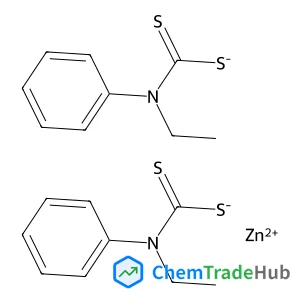
Zinc N-Ethyl-N-phenyldithiocarbamate(CAS: 14634-93-6)
CAS Number
Related Products
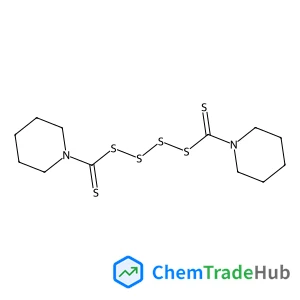

1,3,5-Triazinane-2,4,6-trithione
CAS Number: 638-16-4
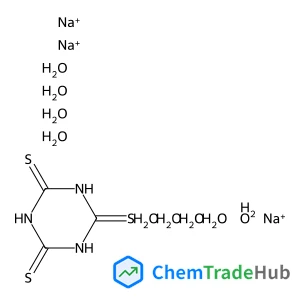
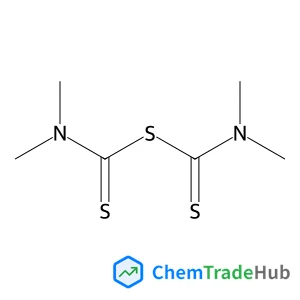
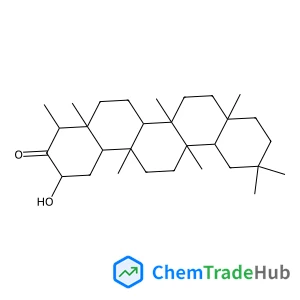
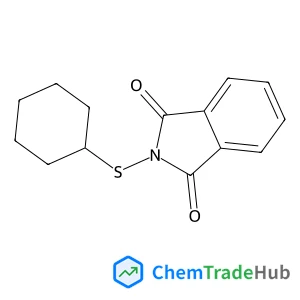
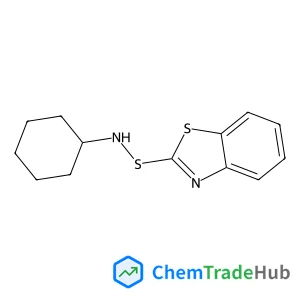
Chloroprene
CAS Number: 9010-98-4
1H-Benzimidazole-2-thiol
CAS Number: 583-39-1
Other Suppliers for Zinc N-Ethyl-N-phenyldithiocarbamate




Basic Information
Molecular Formula
C18H20N2S4Zn
Molecular Weight
458 g/mol
Physical Properties
Melting Point
198.0 to 214.0 deg-C
Boiling Point
No data available
Flash Point
No data available
Chemical Identifiers
SMILES
CCN(C1=CC=CC=C1)C(=S)[S-].CCN(C1=CC=CC=C1)C(=S)[S-].[Zn+2]
InChIKey
KMNUDJAXRXUZQS-UHFFFAOYSA-L
Database References
MDL Number
MFCD00059686
FAQ
Zinc N-Ethyl-N-phenyldithiocarbamate is an organozinc compound with the chemical formula C12H14N2O2S2Zn. It is commonly used as a stabilizer and antioxidant in various industrial applications. The compound is known for its ability to inhibit oxidation and is often found in rubber, plastics, and other polymer-based materials. It has a moderate molecular weight and exhibits solubility in organic solvents.
Zinc N-Ethyl-N-phenyldithiocarbamate is primarily used as an antioxidant and stabilizer in rubber and plastics manufacturing. It also finds applications in pharmaceuticals as a preservative and in agricultural products to enhance shelf life. Additionally, it is used in research for its chemical reactivity and in industrial coatings to improve durability and resistance to degradation.
Zinc N-Ethyl-N-phenyldithiocarbamate is generally considered safe when handled properly. It has low toxicity and is non-irritating to skin and eyes under normal conditions. However, it is important to follow safety guidelines, such as using protective gloves and eyewear, and ensuring adequate ventilation. Safety standards for its use are typically outlined in industrial and chemical safety protocols.
Zinc N-Ethyl-N-phenyldithiocarbamate should be stored in a cool, dry, and well-ventilated area away from moisture and direct light. It is best kept in a sealed container made of non-reactive material such as glass or metal. Storage at temperatures below 25°C is recommended to maintain stability and prevent degradation over time.
Safety Notice
Please verify product specifications and safety data before use. Contact the supplier for detailed safety information.
Always follow proper handling procedures
Contact Information
Contact Person
Liang Xia