



AD
6-Bromo-4-chloro-2-methylquinoline(CAS: 53364-85-5)
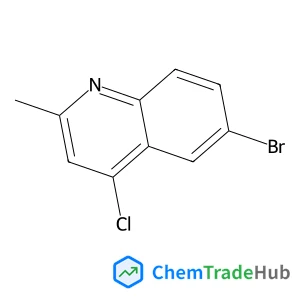
CAS Number
Related Products
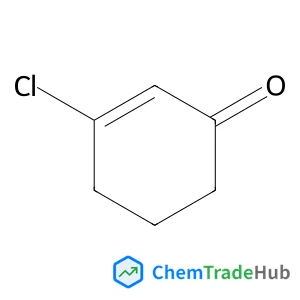
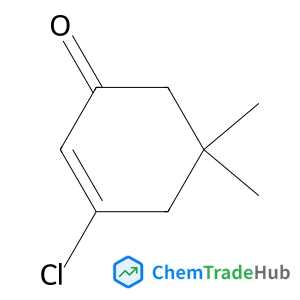
3-Chlorocyclohex-2-en-1-one
CAS Number: 5682-75-7
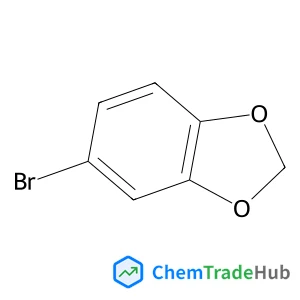
5-Bromo-1,3-benzodioxole
CAS Number: 2635-13-4
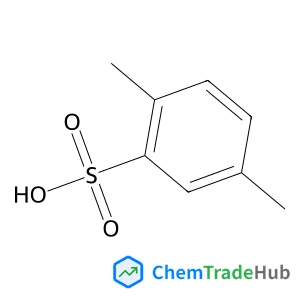
Benzenesulfonic acid, 2,5-dimethyl-
CAS Number: 609-54-1
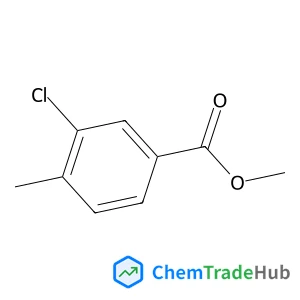
Methyl 3-chloro-4-methylbenzoate
CAS Number: 56525-63-4

(S)-Viloxazine Hydrochloride
CAS Number: 56287-61-7

3,5-Bis(trifluoromethyl)benzamide
CAS Number: 22227-26-5
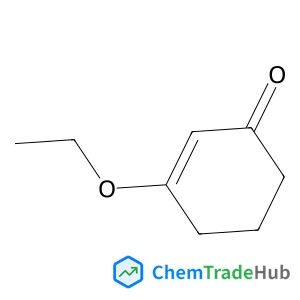
3-Ethoxy-2-cyclohexen-1-one
CAS Number: 5323-87-5

2-Biphenylcarboxylic acid
CAS Number: 947-84-2
Other Suppliers for 6-Bromo-4-chloro-2-methylquinoline







Basic Information
Molecular Formula
C10H7BrClN
Molecular Weight
256.53 g/mol
Chemical Identifiers
SMILES
CC1=CC(=C2C=C(C=CC2=N1)Br)Cl
InChIKey
OCNREXWJWVKEEB-UHFFFAOYSA-N
Database References
MDL Number
MFCD00272373
FAQ
6-Bromo-4-chloro-2-methylquinoline (CAS: 53364-85-5) is subject to various regulatory guidelines. It must comply with REACH regulations in the EU, which require registration of substances above tonnage thresholds. In the U.S., it is regulated by the EPA and FDA for safety and environmental protection. GHS classification includes handling and storage instructions based on its hazardous nature, such as flammability and skin corrosion. Adequate safety data sheets (SDS) and safety measures are essential for handling this compound.
For synthesis involving 6-Bromo-4-chloro-2-methylquinoline (CAS: 53364-85-5), one can consider using related analogs such as 6-Chloro-4-bromo-2-methylquinoline or 6-Chloro-4-methyl-2-quinoline. Common alternative reagents might include different halides or quinoline derivatives. These alternatives can offer similar functionalities with potentially less stringent regulatory requirements or better reactivity profiles.
The market for 6-Bromo-4-chloro-2-methylquinoline (CAS: 53364-85-5) is influenced by its applications in pharmaceuticals and organic synthesis. Research trends focus on its use as an intermediate in drug synthesis and as a potential antibacterial agent. Market dynamics suggest an increasing demand due to its unique chemical properties. However, regulatory challenges and safety concerns may impact market growth. Emerging research is exploring its applications in new drug discovery and advanced chemical processes.
Waste containing 6-Bromo-4-chloro-2-methylquinoline (CAS: 53364-85-5) should be handled carefully to ensure safety and environmental protection. Collect waste in appropriate containers and store in a secure area away from sources of ignition. For disposal, consult local regulations and guidelines. Incineration can be an effective method, provided it is conducted in an air pollution control system. Alternatively, professional waste disposal services can manage hazardous waste safely. Always follow safety protocols and ensure compliance with environmental protection measures.
Safety Notice
Please verify product specifications and safety data before use. Contact the supplier for detailed safety information.
Always follow proper handling procedures
Contact Information
Contact Person
Manager Huang
sara@agrige.com