



AD
2,2'-Oxydiacetyl chloride(CAS: 21062-20-4)
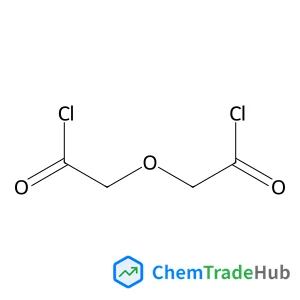
CAS Number
Related Products
![3-[4-Fluoro-2-(trifluoromethyl)phenyl]propanoic acid](https://static.chemtradehub.com/structs/916/916420-73-0-ee37.webp)
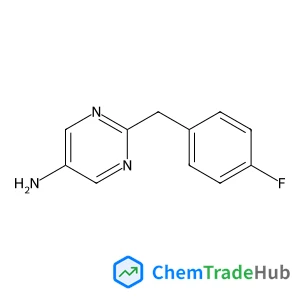
2-(4-Fluorobenzyl)-5-pyrimidinamine
CAS Number: 1152557-45-3
![Methyl [4-cyano-3-(3-thienyl)-1H-pyrazol-1-yl]acetate](https://static.chemtradehub.com/structs/209/2098083-01-1-68bf.webp)
![3-[4-Cyclopentyl-5-(methylsulfanyl)-4H-1,2,4-triazol-3-yl]-1-propanamine hydroiodide (1:1)](https://static.chemtradehub.com/structs/119/1197609-28-1-10f2.webp)
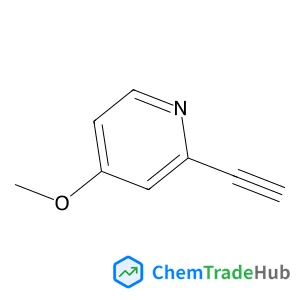
2-Ethynyl-4-methoxypyridine
CAS Number: 1211533-95-7
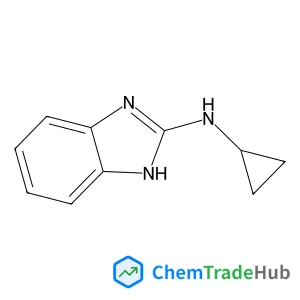
N-Cyclopropyl-1H-benzimidazol-2-amine
CAS Number: 941266-08-6
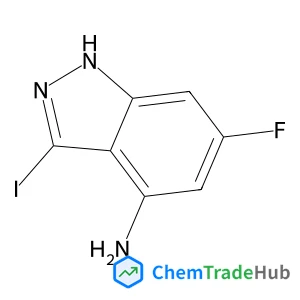
4-AMINO-6-FLUORO-3-IODO (1H)INDAZOLE
CAS Number: 885523-02-4
Other Suppliers for 2,2'-Oxydiacetyl chloride





Basic Information
Molecular Formula
C4H4Cl2O3
Molecular Weight
170.98 g/mol
Physical Properties
Boiling Point
57°C/0.5mmHg(lit.)
Chemical Identifiers
SMILES
C(C(=O)Cl)OCC(=O)Cl
InChIKey
GTZXSBQCNBNWPK-UHFFFAOYSA-N
Database References
MDL Number
MFCD00134471
FAQ
2,2'-Oxydiacetyl chloride (CAS: 21062-20-4) is subject to various regulatory guidelines, including GHS (Global Harmonized System of Classification and Labeling of Chemicals) for its classification and hazard communication. In Europe, it falls under REACH regulations. For use in the U.S., FDA/EPA requirements must be met, particularly for chemical safety and environmental protection. Compliance with local and international standards is essential for handling and transporting this compound.
While 2,2'-Oxydiacetyl chloride (CAS: 21062-20-4) is commonly used in certain synthetic processes, alternatives include other acyl chlorides or related acetylated compounds. For example, acetic anhydride or other acetylating agents can serve as substitutes depending on the specific reaction conditions and desired outcomes. Choosing the right alternative depends on the reactivity and the end product needed.
The market for 2,2'-Oxydiacetyl chloride (CAS: 21062-20-4) is largely driven by its applications in pharmaceuticals, organic synthesis, and research. Recent trends indicate increased interest in its use as an acetylating agent in the development of bioactive compounds and in the synthesis of other valuable intermediates. Research is also exploring its potential in novel drug candidates and biotechnological applications.
Waste containing 2,2'-Oxydiacetyl chloride (CAS: 21062-20-4) should be handled with care to ensure safety and environmental protection. Waste liquid should be collected in appropriate containers and neutralized before disposal. Disposal options include incineration or professional waste disposal services. Environmental precautions include proper labeling, containment, and adherence to local regulations. Always consult the Material Safety Data Sheet (MSDS) for specific disposal guidelines.
Safety Notice
Please verify product specifications and safety data before use. Contact the supplier for detailed safety information.
Always follow proper handling procedures
Contact Information
3641133981@qq.com