



AD
1,3-Benzodioxole-4-carbaldehyde(CAS: 7797-83-3)
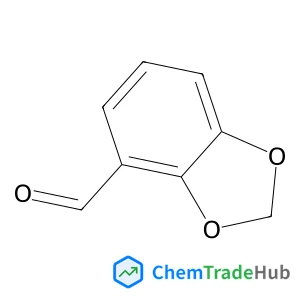
CAS Number
Related Products
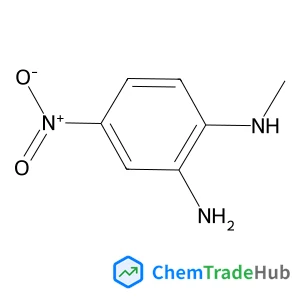
N~1~-Methyl-4-nitro-1,2-benzenediamine
CAS Number: 41939-61-1
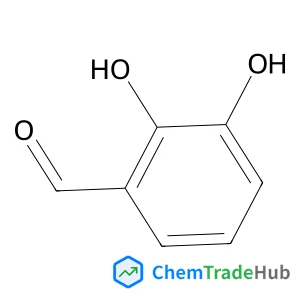
2,3-Dihydroxybenzaldehyde
CAS Number: 24677-78-9
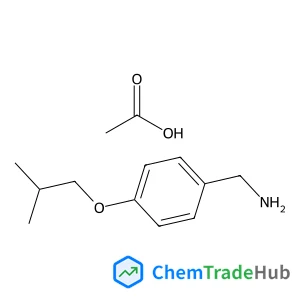
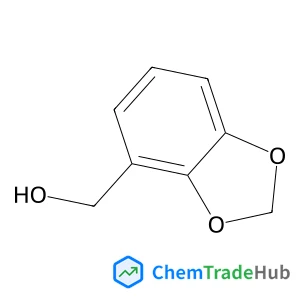
1,3-Benzodioxol-4-ylmethanol
CAS Number: 769-30-2
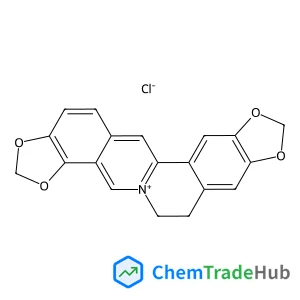
Coptisine chloride
CAS Number: 6020-18-4
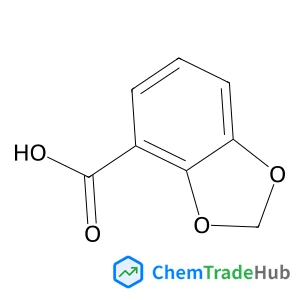
1,3-Benzodioxole-4-carboxylic acid
CAS Number: 5768-39-8
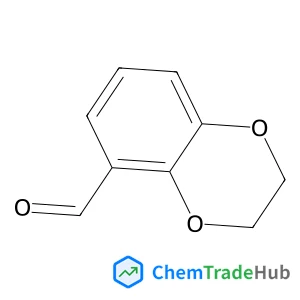
Other Suppliers for 1,3-Benzodioxole-4-carbaldehyde





Basic Information
Molecular Formula
C8H6O3
Molecular Weight
150.13 g/mol
Physical State
Pale-yellow to Yellow-brown Solid
Physical Properties
Melting Point
34-36 °C (lit.)
Boiling Point
80 °C/0.3 mmHg(lit.)
Density
1.312 g/mL at 25 °C(lit.)
Chemical Identifiers
SMILES
C1OC2=CC=CC(=C2O1)C=O
InChIKey
QZMQKPGVXNSITP-UHFFFAOYSA-N
Database References
MDL Number
MFCD00016902
FAQ
1,3-Benzodioxole-4-carbaldehyde (CAS: 7797-83-3) falls under regulatory guidelines such as GHS, which classifies it as a hazardous substance due to its flammable and reactive properties. In the EU, it is regulated under REACH for registration, evaluation, authorization, and restriction of chemicals. FDA and EPA have specific requirements for its transport and environmental safety, ensuring compliance with national and international standards.
Yes, there are alternatives to 1,3-Benzodioxole-4-carbaldehyde (CAS: 7797-83-3) in synthesis. Common alternatives include 2,3-Benzodioxole-4-carbaldehyde and 1,2-Benzodioxole-4-carbaldehyde, which can be used depending on the specific application. Additionally, other aromatic aldehydes or derivatives can serve as potential substitutes.
The market for 1,3-Benzodioxole-4-carbaldehyde (CAS: 7797-83-3) is driven by its use in the synthesis of various organic compounds and pharmaceuticals. Research trends focus on its application in drug discovery and development. Market dynamics indicate increasing demand due to its role in developing new materials and pharmaceuticals, with price trends reflecting growing interest in its applications.
Waste containing 1,3-Benzodioxole-4-carbaldehyde (CAS: 7797-83-3) should be handled carefully to minimize environmental impact. Waste liquid should be collected in appropriate containers and disposed of through professional waste disposal services. Incineration is another option, but it must be conducted under controlled conditions to ensure complete combustion. Environmental protection measures include proper labeling and documentation to comply with local and international regulations.
Safety Notice
Please verify product specifications and safety data before use. Contact the supplier for detailed safety information.
Always follow proper handling procedures
Contact Information
tanchengchem@163.com