



AD
1-(4-Biphenylyl)-2-chloroethanone(CAS: 635-84-7)
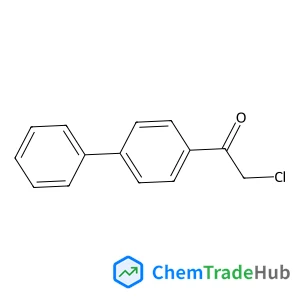
CAS Number
Related Products
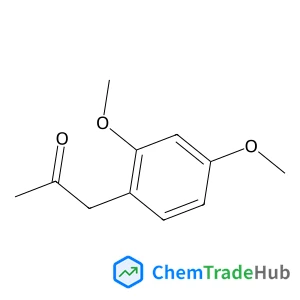
1-(2,4-Dimethoxyphenyl)acetone
CAS Number: 831-29-8
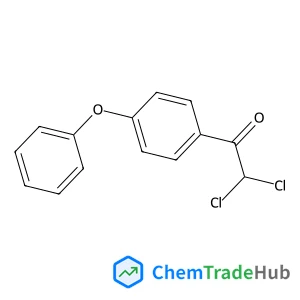
2,2-Dichloro-4-phenoxyacetophenone
CAS Number: 59867-68-4
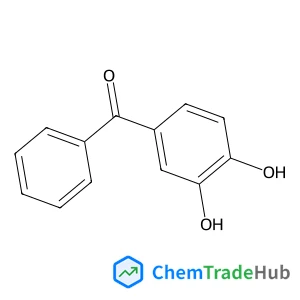
(3,4-Dihydroxyphenyl)(phenyl)methanone
CAS Number: 10425-11-3
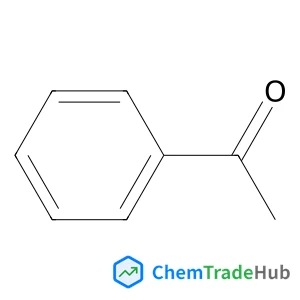
Acetophenone
CAS Number: 98-86-2
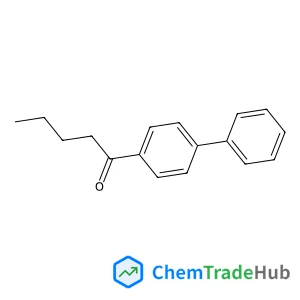
1-(4-Biphenylyl)-1-pentanone
CAS Number: 42916-73-4
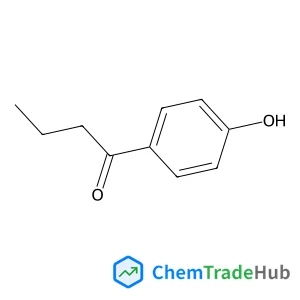
1-(4-Hydroxyphenyl)-1-butanone
CAS Number: 1009-11-6
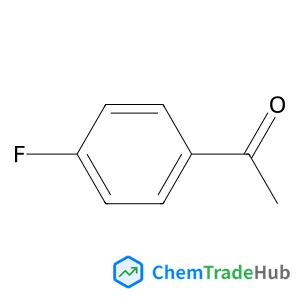
1-(4-Fluorophenyl)ethanone
CAS Number: 403-42-9
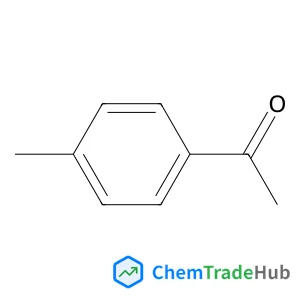
1-(4-Methylphenyl)ethanone
CAS Number: 122-00-9
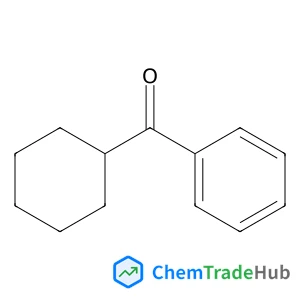
Cyclohexyl(phenyl)methanone
CAS Number: 712-50-5
Other Suppliers for 1-(4-Biphenylyl)-2-chloroethanone






Basic Information
Molecular Formula
C14H11ClO
Molecular Weight
230.69 g/mol
Physical Properties
Melting Point
126.0 to 131.0 deg-C
Density
1.1670
Chemical Identifiers
SMILES
C1=CC=C(C=C1)C2=CC=C(C=C2)C(=O)CCl
InChIKey
IQEIGQFNDLINOT-UHFFFAOYSA-N
Database References
MDL Number
MFCD00058937
FAQ
1-(4-Biphenylyl)-2-chloroethanone (CAS: 635-84-7) must comply with the Globally Harmonized System of Classification and Labelling of Chemicals (GHS), which includes hazard communication requirements. In the European Union, it is subject to the REACH regulations, which require registration, evaluation, and authorization of chemicals. For the United States, the Environmental Protection Agency (EPA) and the Food and Drug Administration (FDA) have specific guidelines and requirements, including reporting and labeling standards.
There are several alternatives to 1-(4-Biphenylyl)-2-chloroethanone (CAS: 635-84-7) that can be used in synthesis, such as 1-(3-biphenylyl)-2-chloroethanone or other biphenyl derivatives. These alternatives may offer similar functional groups but with different substituents, providing flexibility in chemical synthesis. Commonly used alternative reagents include various chloroalkanes and biphenyl derivatives depending on the specific synthetic route and desired properties.
The market for 1-(4-Biphenylyl)-2-chloroethanone (CAS: 635-84-7) is largely driven by its use in organic synthesis for the preparation of pharmaceuticals and agrochemicals. Research trends are focusing on developing more sustainable and environmentally friendly synthetic methods. Additionally, there is growing interest in exploring its applications in materials science, particularly in the development of novel polymers and composites. The demand for this compound is expected to increase as it continues to find new applications and as market trends towards more efficient and eco-friendly chemical processes evolve.
Waste containing 1-(4-Biphenylyl)-2-chloroethanone (CAS: 635-84-7) should be collected and disposed of according to local and national regulations. It is typically considered a hazardous waste due to its chlorinated nature. Proper waste management includes minimizing the generation of waste, neutralizing any acidic or basic components, and ensuring safe storage until disposal. Incineration is a common method for disposing of this waste, but it should be done in an environmentally controlled incinerator. Alternatively, professional waste disposal services may be utilized to ensure compliance with environmental protection measures and safety standards.
Safety Notice
Please verify product specifications and safety data before use. Contact the supplier for detailed safety information.
Always follow proper handling procedures

Contact Information
qinqi@sinohighchem.com
Mobile
15151073745
Telephone
025-58392388-800
Fax
025-58392588
Visit Website
https://www.sinohighchem.com