



AD
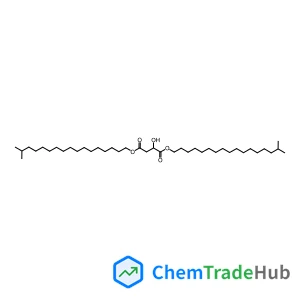
Diisostearyl malate(CAS: 81230-05-9)
CAS Number
Related Products
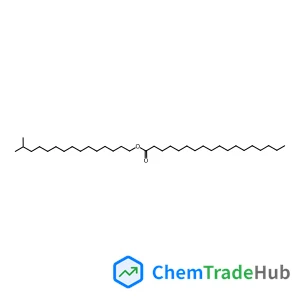
14-Methylpentadecyl stearate
CAS Number: 25339-09-7
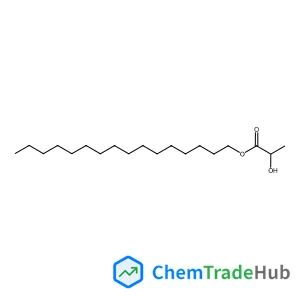
Hexadecyl 2-hydroxypropanoate
CAS Number: 35274-05-6
Polyglyceryl 3 Diisostearate
CAS Number: 63705-03-3
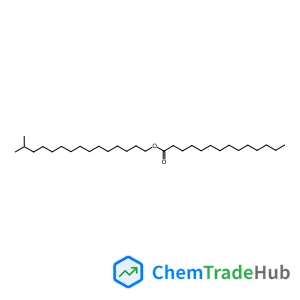
14-Methylpentadecyl myristate
CAS Number: 83708-66-1
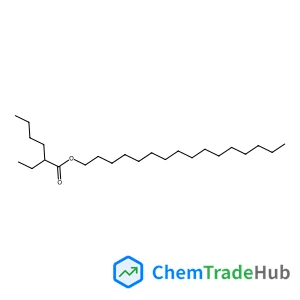
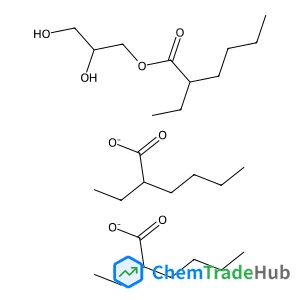
Hexadecyl 2-ethylhexanoate
CAS Number: 90411-68-0
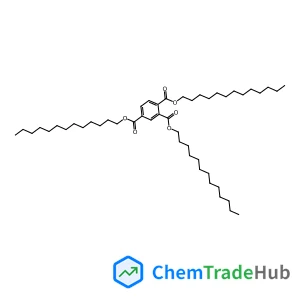
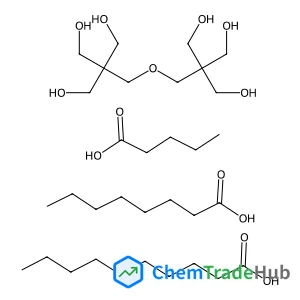
Butylene Glycol Dicaprylate/Dicaprate
CAS Number: 211107-84-5
Other Suppliers for Diisostearyl malate

Basic Information
Molecular Formula
C40H78O5
Molecular Weight
639.06 g/mol
Chemical Identifiers
SMILES
CC(C)CCCCCCCCCCCCCCCOC(=O)CC(C(=O)OCCCCCCCCCCCCCCCC(C)C)O
InChIKey
HGKOWIQVWAQWDS-UHFFFAOYSA-N
Database References
FAQ
Diisostearyl malate (CAS: 81230-05-9) is subject to various regulatory guidelines. Under the Globally Harmonized System of Classification and Labelling of Chemicals (GHS), it is classified as a non-hazardous substance. In Europe, it is regulated by REACH (Registration, Evaluation, Authorization, and Restriction of Chemicals), which requires manufacturers and importers to register substances with a tonnage of 1 ton per year or more. Additionally, the Food and Drug Administration (FDA) and the Environmental Protection Agency (EPA) may regulate its use in food and cosmetic applications, respectively.
Yes, there are alternatives to Diisostearyl malate (CAS: 81230-05-9) in synthesis. Common alternatives include other esters, such as diisopropyl malate or diisobutyl malate, which can serve similar functions. Other substitutes might include other plasticizers or stabilizers, depending on the application. These alternatives can offer similar properties but with varying degrees of biodegradability and environmental impact.
The market for Diisostearyl malate (CAS: 81230-05-9) is driven by its use in personal care products and pharmaceuticals due to its stabilizing and emollient properties. Research trends are focused on developing more sustainable and biodegradable alternatives. There is also increasing interest in its application in food packaging and as a food additive, driven by consumer demand for healthier and safer products. Environmental safety and regulatory compliance are key factors driving these trends.
Waste containing Diisostearyl malate (CAS: 81230-05-9) should be managed according to local environmental regulations. Typically, it can be collected in appropriate containers and disposed of through a professional waste disposal service. For large quantities, incineration may be necessary, but this should be done in controlled facilities to prevent air pollution. Environmental protection measures include proper containment to prevent spillage and ensuring that the waste is not released into the environment. Always consult local regulations and guidelines for specific disposal procedures.
Safety Notice
Please verify product specifications and safety data before use. Contact the supplier for detailed safety information.
Always follow proper handling procedures

Contact Information
Contact Person
Feng Huan
515555403@qq.com
Mobile
13798107074
Telephone
0763-3166018
Visit Website
https://www.gdgoodlight.comAddress
Yingde City, Qingyuan City, Guangdong Province, Jifeng Road East, Yingredistrict New Materials Base