



AD
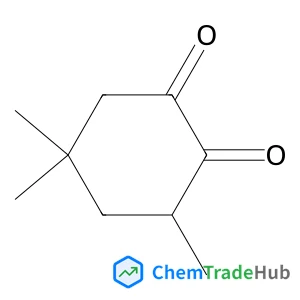
3,5,5-Trimethyl-1,2-cyclohexanedione(CAS: 57696-89-6)
CAS Number
Related Products
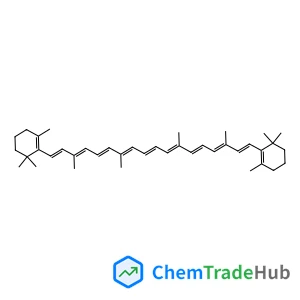
beta,beta-Carotene
CAS Number: 7235-40-7
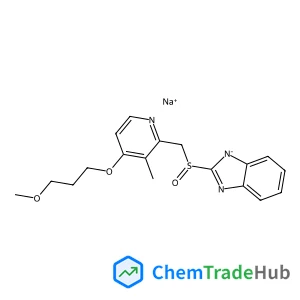
Rabeprazole sodium
CAS Number: 117976-90-6
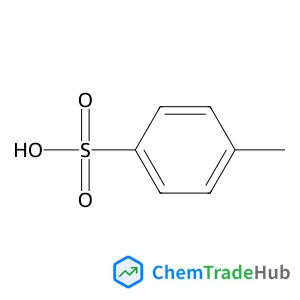
p-Toluenesulfonic Acid
CAS Number: 104-15-4
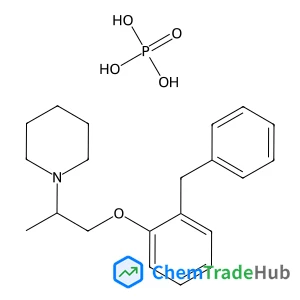
Benproperine Phosphate
CAS Number: 19428-14-9
Folic acid
CAS Number: 59-30-3
Other Suppliers for 3,5,5-Trimethyl-1,2-cyclohexanedione







Basic Information
Molecular Formula
C9H14O2
Molecular Weight
154.21 g/mol
Physical Properties
Melting Point
89-92℃
Boiling Point
214.6°C at 760 mmHg
Flash Point
>100°(212°F)
Chemical Identifiers
SMILES
CC1CC(CC(=O)C1=O)(C)C
InChIKey
WEUZZYGESXCTCU-UHFFFAOYSA-N
Database References
MDL Number
MFCD02181023
FAQ
3,5,5-Trimethyl-1,2-cyclohexanedione (CAS: 57696-89-6) is a colorless to white crystalline solid with a molecular weight of approximately 154.22 g/mol. It has a low solubility in water (0.5 g/L at 25°C) and is soluble in organic solvents such as methanol, ethanol, and hexane. This compound is relatively stable and exhibits limited reactivity under normal conditions. It is typically used in organic synthesis and as a reagent in various chemical processes.
3,5,5-Trimethyl-1,2-cyclohexanedione (CAS: 57696-89-6) can be synthesized via a catalytic hydrogenation of 3,5,5-trimethylcyclohexanone. Commonly, this involves the use of a palladium catalyst under hydrogen pressure. The reaction yields a high level of product with good selectivity, typically in the range of 85-95% yield, depending on the reaction conditions and catalyst choice.
3,5,5-Trimethyl-1,2-cyclohexanedione (CAS: 57696-89-6) is primarily used in the pharmaceutical industry for the synthesis of various organic compounds. It is also employed in the polymer industry for the production of certain polymer additives and in the sensor industry as a reagent. Additionally, it finds applications in the semiconductor industry for specific purification processes.
When handling 3,5,5-Trimethyl-1,2-cyclohexanedione (CAS: 57696-89-6), it is important to use appropriate personal protective equipment (PPE) such as gloves, safety goggles, and a lab coat. Work should be conducted in a well-ventilated area or a fume hood. Spills should be cleaned up using appropriate absorbent materials and proper waste management procedures. Always refer to the Material Safety Data Sheet (MSDS/SDS) for detailed safety information and emergency procedures.
Safety Notice
Please verify product specifications and safety data before use. Contact the supplier for detailed safety information.
Always follow proper handling procedures
Contact Information
3189362605@qq.com