



AD
2-Phenyl-1,3-dioxolane(CAS: 936-51-6)
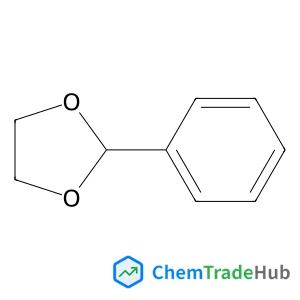
CAS Number
Related Products
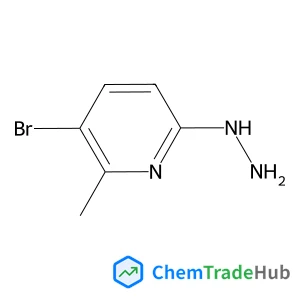
3-Bromo-6-hydrazinyl-2-methylpyridine
CAS Number: 39919-66-9
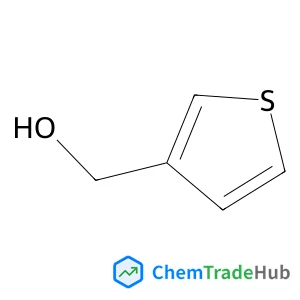
3-Thienylmethanol
CAS Number: 71637-34-8
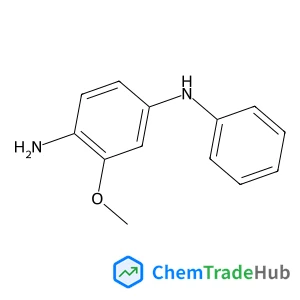
3-Methoxy-N1-phenylbenzene-1,4-diamine
CAS Number: 5840-10-8
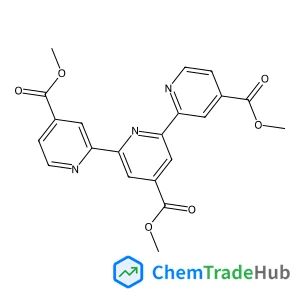
![5-Isoquinolinesulfonamide, N-[2-[[3-(4-bromophenyl)-2-propen-1-yl]amino]ethyl]-](https://static.chemtradehub.com/structs/127/127243-85-0-0f72.webp)
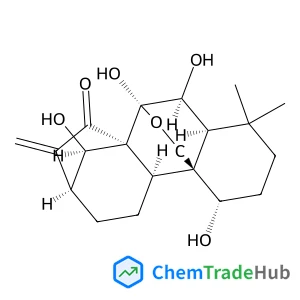
Oridonin
CAS Number: 28957-04-2
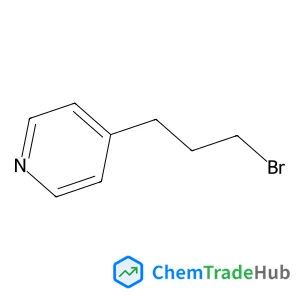
4-(3-Bromopropyl)pyridine
CAS Number: 40337-66-4
Other Suppliers for 2-Phenyl-1,3-dioxolane







Basic Information
Molecular Formula
C9H10O2
Molecular Weight
150.18 g/mol
Physical Properties
Boiling Point
80 °C0.3 mm Hg(lit.)
Density
1.106 g/mL at 25 °C(lit.)
Flash Point
209 °F
Chemical Identifiers
SMILES
C1COC(O1)C2=CC=CC=C2
InChIKey
LYINTWKRUWVLBA-UHFFFAOYSA-N
Database References
MDL Number
MFCD00030564
FAQ
2-Phenyl-1,3-dioxolane (CAS: 936-51-6) is a colorless liquid with a molecular weight of approximately 132.18 g/mol. It has a pKₐ of around 14.3, indicating weak basicity. The compound is poorly soluble in water but soluble in organic solvents such as ethanol, acetone, and chloroform. Chemically, it is moderately reactive, especially under basic conditions, and can undergo ring-opening reactions with nucleophiles.
2-Phenyl-1,3-dioxolane (CAS: 936-51-6) is typically synthesized via the condensation of phenylacetaldehyde and dimethyl sulfoxide (DMSO) in the presence of a basic catalyst such as potassium carbonate. The reaction is carried out at room temperature or slightly elevated temperatures, and the yield is generally high, around 85-95%. Other methods include the reaction of phenylacetic acid with dimethyl sulfoxide under similar conditions.
2-Phenyl-1,3-dioxolane (CAS: 936-51-6) is used in various industries, including pharmaceuticals, where it serves as a precursor in the synthesis of certain drugs. It is also utilized in the production of polymers, particularly in the synthesis of polycarbonates and polyesters, and in the development of sensors and semiconductors due to its unique electronic properties.
When handling 2-Phenyl-1,3-dioxolane (CAS: 936-51-6), it is essential to wear appropriate personal protective equipment (PPE) such as gloves, safety glasses, and a lab coat. The compound should be stored in a cool, dry place away from direct sunlight and flammable materials. Spills should be cleaned up using an appropriate absorbent material, and the area should be well-ventilated. Always consult the Safety Data Sheet (SDS) for detailed handling instructions and emergency procedures.
Safety Notice
Please verify product specifications and safety data before use. Contact the supplier for detailed safety information.
Always follow proper handling procedures
Contact Information
2355265332@qq.com