



AD
Dimethyl-bis(prop-2-enyl)azanium;prop-2-enamide;chloride(CAS: 108464-53-5)
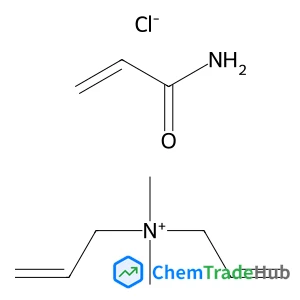
CAS Number
Related Products
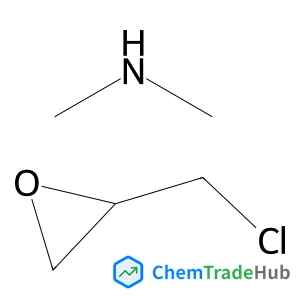
poly(dimethylamine-co-epichlorohydrin)
CAS Number: 25988-97-0
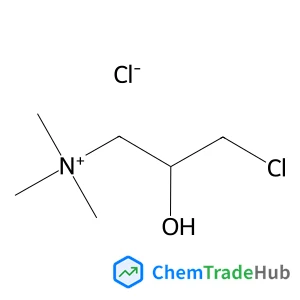
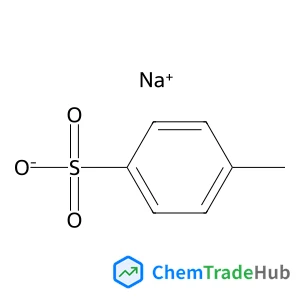
4-methylbenzenesulfonic acid;sodium salt
CAS Number: 657-84-1
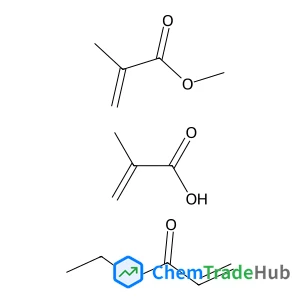
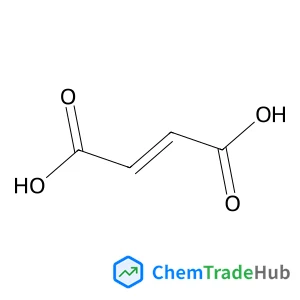
2-Butenedioic acid (2Z)-, homopolymer
CAS Number: 26099-09-2
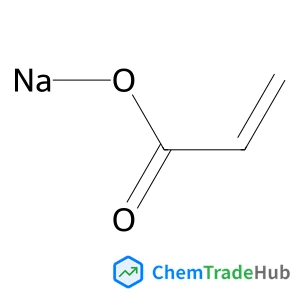
Sodium acrylate
CAS Number: 9003-04-7
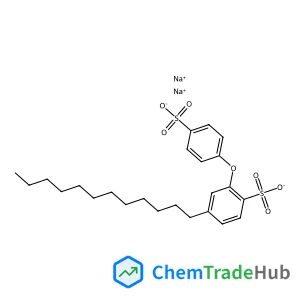
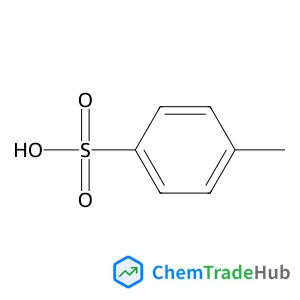
p-Toluenesulfonic Acid
CAS Number: 104-15-4
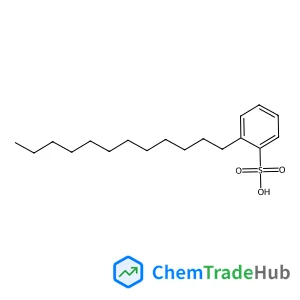
Other Suppliers for Dimethyl-bis(prop-2-enyl)azanium;prop-2-enamide;chloride



Basic Information
Molecular Formula
C11H21ClN2O
Molecular Weight
232.75 g/mol
Chemical Identifiers
SMILES
C[N+](C)(CC=C)CC=C.C=CC(=O)N.[Cl-]
InChIKey
XFOSBZOUUACCCN-UHFFFAOYSA-M
Database References
FAQ
Dimethyl-bis(prop-2-enyl)azanium;prop-2-enamide;chloride (CAS: 108464-53-5) falls under the European Chemicals Agency (ECHA) REACH regulations, which require manufacturers and importers to register substances with the ECHA. Additionally, it is classified under the Globally Harmonized System of Classification and Labelling of Chemicals (GHS) as a flammable liquid. FDA and EPA regulations may also apply depending on its intended use and market.
Yes, several alternative reagents can be used in synthesis depending on the specific reaction. Common alternatives include prop-2-enyl azide or related azides, which can offer similar functionality. However, the choice of alternative should consider the reaction conditions and desired product purity.
Research trends for Dimethyl-bis(prop-2-enyl)azanium;prop-2-enamide;chloride (CAS: 108464-53-5) are focused on its use in organic synthesis, particularly in the formation of azido functionalities. Market trends indicate growing interest in azide chemistry due to its applications in bioconjugation and点击以展开更多内容点击以折叠内容点击以展开更多内容点击以折叠内容点击以展开更多内容点击以折叠内容点击以展开更多内容点击以折叠内容生物成像。
Waste containing Dimethyl-bis(prop-2-enyl)azanium;prop-2-enamide;chloride (CAS: 108464-53-5) should be collected in a sealed container and disposed of through a professional waste disposal service. Environmental protection measures include neutralizing the waste with an appropriate reagent before disposal to prevent environmental contamination. Incineration is another method, but it must be conducted under controlled conditions to avoid harmful emissions.
Safety Notice
Please verify product specifications and safety data before use. Contact the supplier for detailed safety information.
Always follow proper handling procedures
Contact Information
286825537@qq.com