



AD
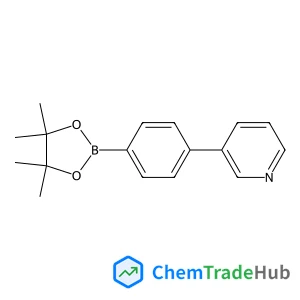
3-(4-(4,4,5,5-Tetramethyl-1,3,2-dioxaborolan-2-yl)phenyl)pyridine(CAS: 929203-04-3)
CAS Number
Related Products
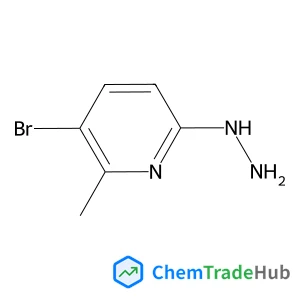
3-Bromo-6-hydrazinyl-2-methylpyridine
CAS Number: 39919-66-9
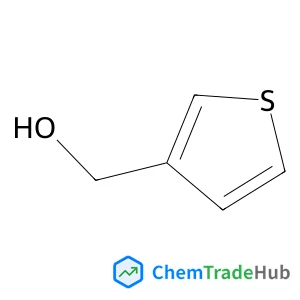
3-Thienylmethanol
CAS Number: 71637-34-8
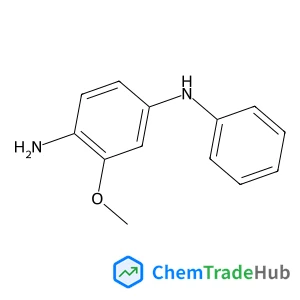
3-Methoxy-N1-phenylbenzene-1,4-diamine
CAS Number: 5840-10-8
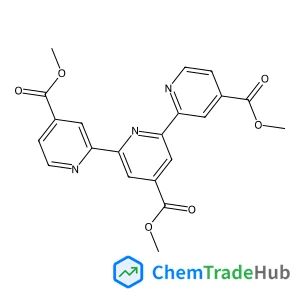
![5-Isoquinolinesulfonamide, N-[2-[[3-(4-bromophenyl)-2-propen-1-yl]amino]ethyl]-](https://static.chemtradehub.com/structs/127/127243-85-0-0f72.webp)
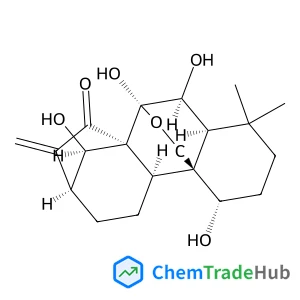
Oridonin
CAS Number: 28957-04-2
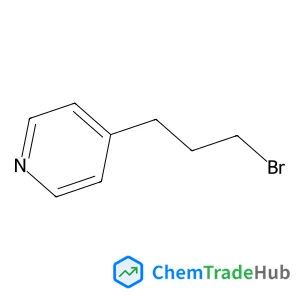
4-(3-Bromopropyl)pyridine
CAS Number: 40337-66-4
Other Suppliers for 3-(4-(4,4,5,5-Tetramethyl-1,3,2-dioxaborolan-2-yl)phenyl)pyridine





Basic Information
Molecular Formula
C17H20BNO2
Molecular Weight
281.16 g/mol
Physical Properties
Density
1.09
Chemical Identifiers
SMILES
B1(OC(C(O1)(C)C)(C)C)C2=CC=C(C=C2)C3=CN=CC=C3
InChIKey
MMHFCEWVMQXVEV-UHFFFAOYSA-N
Database References
MDL Number
MFCD11973623
FAQ
3-(4-(4,4,5,5-Tetramethyl-1,3,2-dioxaborolan-2-yl)phenyl)pyridine (CAS: 929203-04-3) falls under the purview of the Globally Harmonized System of Classification and Labelling of Chemicals (GHS) for classification and labeling. Additionally, it must comply with REACH regulations in the European Union, and the FDA and EPA for safety and environmental handling in the United States. Detailed safety data sheets (SDS) are required to provide comprehensive information on storage, handling, and disposal.
Alternatives to 3-(4-(4,4,5,5-Tetramethyl-1,3,2-dioxaborolan-2-yl)phenyl)pyridine (CAS: 929203-04-3) in synthesis include other boronic acid derivatives that offer similar functionality. Common alternatives include 2-(4,4,5,5-tetramethyl-1,3,2-dioxaborolan-2-yl)phenol and related boronic acids. These alternatives can provide similar reactivity in synthesis, but may vary in specificity and efficiency depending on the specific application.
Research trends for 3-(4-(4,4,5,5-Tetramethyl-1,3,2-dioxaborolan-2-yl)phenyl)pyridine (CAS: 929203-04-3) are driven by its potential use in organic synthesis, particularly in Suzuki couplings. The market interest is growing due to its ability to facilitate efficient cross-coupling reactions. Emerging research is focusing on its application in drug synthesis and functional materials, with a trend towards developing more sustainable and environmentally friendly synthetic routes.
Waste containing 3-(4-(4,4,5,5-Tetramethyl-1,3,2-dioxaborolan-2-yl)phenyl)pyridine (CAS: 929203-04-3) should be collected and disposed of according to local regulations. It is recommended to neutralize acidic or basic waste before disposal. For large quantities, professional waste disposal services should be used to ensure safe incineration or chemical treatment. Environmental precautions include minimizing exposure to soil and water sources. Always follow safety protocols and consult the most recent safety data sheet (SDS) for specific handling instructions.
Safety Notice
Please verify product specifications and safety data before use. Contact the supplier for detailed safety information.
Always follow proper handling procedures
Contact Information
2355265332@qq.com