



AD
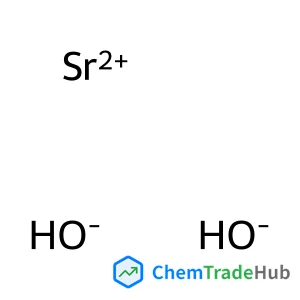
Strontium hydroxide(CAS: 18480-07-4)
CAS Number
Related Products
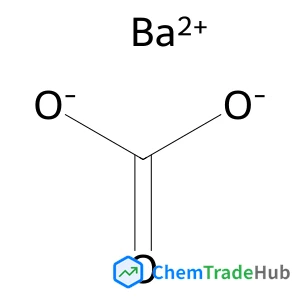
Barium carbonate
CAS Number: 513-77-9
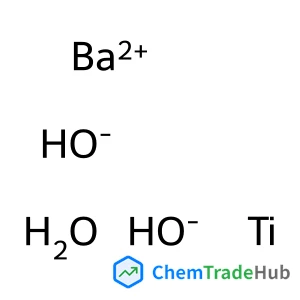
Barium titanium trioxide
CAS Number: 12047-27-7
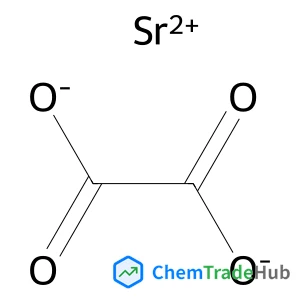
Strontium oxalate
CAS Number: 814-95-9
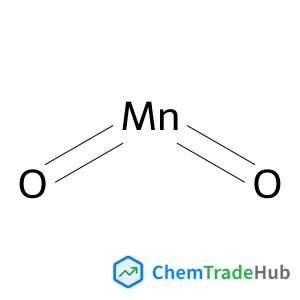
Dioxomanganese
CAS Number: 1313-13-9
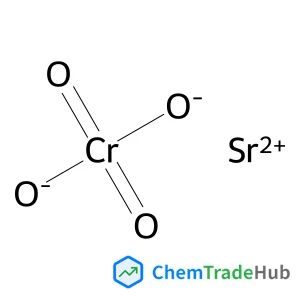
Strontium dioxido(dioxo)chromium
CAS Number: 7789-06-2
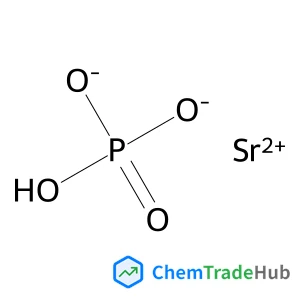
Strontium - phosphoric acid (1:1)
CAS Number: 13450-99-2
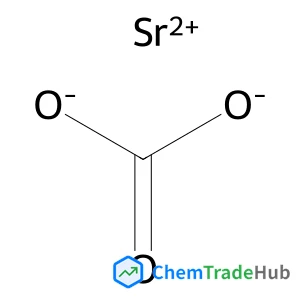
Strontium carbonate
CAS Number: 1633-05-2
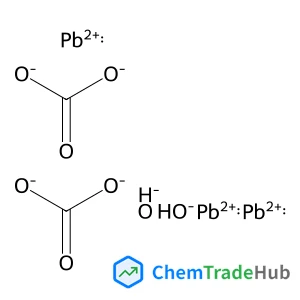
Lead(2+) carbonate hydroxide (3:2:2)
CAS Number: 1319-46-6
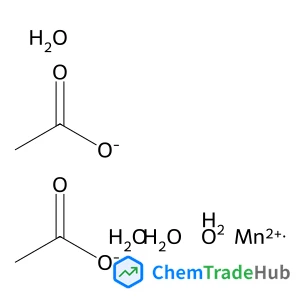
Manganese acetate tetrahydrate
CAS Number: 6156-78-1
Other Suppliers for Strontium hydroxide






Basic Information
Molecular Formula
H2O2Sr
Molecular Weight
121.63 g/mol
Physical Properties
Melting Point
535°C
Chemical Identifiers
SMILES
[OH-].[OH-].[Sr+2]
InChIKey
UUCCCPNEFXQJEL-UHFFFAOYSA-L
Database References
MDL Number
MFCD00150395
FAQ
Strontium hydroxide (CAS: 18480-07-4) is regulated under the Globally Harmonized System of Classification and Labelling of Chemicals (GHS), and falls under the classification of irritant and corrosive to skin and eyes. In the European Union, it is classified as a skin and eye irritant (Category 1B) under the REACH regulation. FDA and EPA regulations also require proper labeling, storage, and disposal to prevent environmental and health hazards.
Strontium hydroxide (CAS: 18480-07-4) can be replaced by other metal hydroxides such as calcium hydroxide or barium hydroxide, depending on the specific synthesis requirements. These alternatives may offer similar reactivity but differ in solubility and toxicity, making them suitable for various chemical processes.
The market for strontium hydroxide (CAS: 18480-07-4) is influenced by its applications in ceramic glazes, glass manufacturing, and as a precursor in the production of strontium compounds. Research trends focus on its use in nanotechnology, lithium-ion batteries, and as a pH regulator. The demand is expected to grow with advancements in these fields and the increasing awareness of its properties.
Waste containing strontium hydroxide (CAS: 18480-07-4) should be collected in a sealed container and disposed of according to local regulations. It can be neutralized with a suitable acid to reduce its alkalinity before disposal. For large quantities or hazardous waste, professional incineration or chemical treatment should be employed to minimize environmental impact. Always follow appropriate safety precautions and consult local environmental protection guidelines.
Safety Notice
Please verify product specifications and safety data before use. Contact the supplier for detailed safety information.
Always follow proper handling procedures
Contact Information
Contact Person
Miss Shen Mr. Wei Mr. Luo