



AD
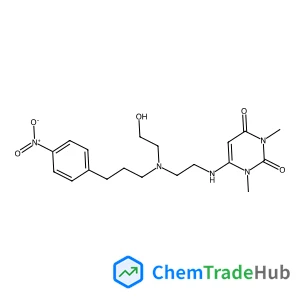
Nifekalant(CAS: 130636-43-0)
CAS Number
Related Products
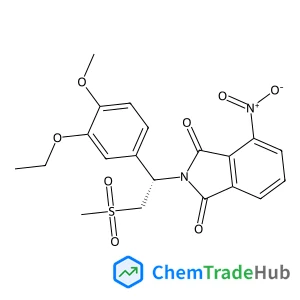
Apremilast Impurity 19
CAS Number: 2095036-40-9
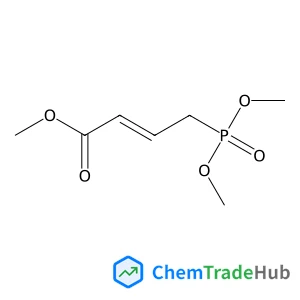
Trimethyl-4-phosphonocrotonate
CAS Number: 86120-40-3
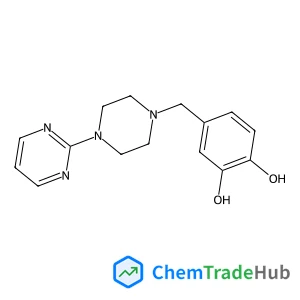
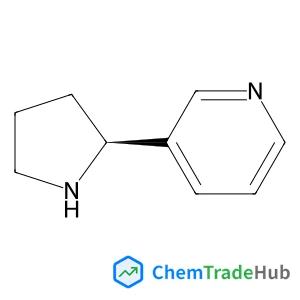
3-(2-Pyrrolidinyl)pyridine
CAS Number: 494-97-3
![(3aS,5S,6R,7aR,7bS,9aS,10R,12aS,12bS)-10-[(2S,3S,4S,5S)-5-Ethyl-3,4-dihydroxy-6-methyl-2-heptanyl]-5,6-dihydroxy-7a,9a-dimethylhexadecahydro-3H-benzo[c]indeno[5,4-e]oxepin-3-one](https://static.chemtradehub.com/structs/804/80483-89-2-471a.webp)
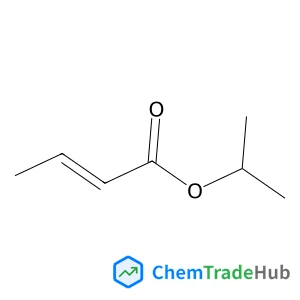
Isopropyl (2E)-2-butenoate
CAS Number: 6284-46-4
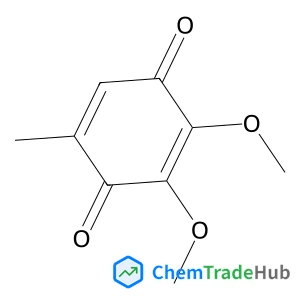
2,3-Dimethoxy-5-methyl-1,4-benzoquinone
CAS Number: 605-94-7
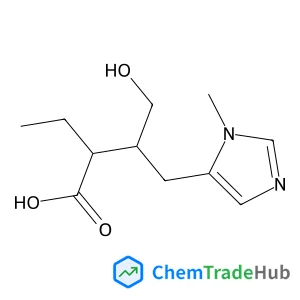
Isopilocarpic acid
CAS Number: 34350-99-7
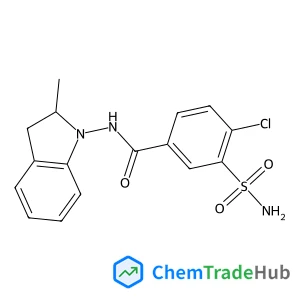
rac Indapamide-d3
CAS Number: 1217052-38-4
Other Suppliers for Nifekalant



Basic Information
Molecular Formula
C19H27N5O5
Molecular Weight
405.4 g/mol
Physical Properties
Melting Point
117.5-118.5°; mp 125-126° (Katakami, 1992)
Chemical Identifiers
SMILES
CN1C(=CC(=O)N(C1=O)C)NCCN(CCCC2=CC=C(C=C2)[N+](=O)[O-])CCO
InChIKey
OEBPANQZQGQPHF-UHFFFAOYSA-N
Database References
FAQ
Nifekalant (CAS 130636-43-0) falls under regulatory guidelines such as the Globally Harmonized System of Classification and Labelling of Chemicals (GHS), which includes classification for health hazards, physical hazards, and environmental hazards. In the European Union, it is subject to REACH regulations. For research and pharmaceutical use, FDA and EPA requirements may also apply, focusing on safety data sheets (SDS) and product safety information.
There are several alternatives to Nifekalant (CAS 130636-43-0) in synthetic chemistry. Commonly used analogs include other alkaloids or similar compounds that can serve similar functions. Isomers and alternative reagents like substituted pyrroles or indoles might also be considered as substitutes, depending on the specific synthetic pathway and desired properties.
The market trend for Nifekalant (CAS 130636-43-0) is showing increased interest due to its potential in the field of drug discovery and development. Research trends are focused on understanding its pharmacological properties and exploring its use in treating various diseases. Price trends indicate a steady demand, with minor fluctuations due to supply and demand dynamics in the pharmaceutical industry.
Waste containing Nifekalant (CAS 130636-43-0) should be handled according to the hazardous waste disposal guidelines. Collection should be done in a leak-proof container, and waste should be neutralized if necessary. Incineration is a common method for disposal, but professional waste disposal services should be used. Environmental protection measures include minimizing exposure and ensuring proper disposal to prevent contamination of soil and water sources.
Safety Notice
Please verify product specifications and safety data before use. Contact the supplier for detailed safety information.
Always follow proper handling procedures

Contact Information
sales@chem-strong.com
Mobile
13670046396
Telephone
86-755-66853366
Fax
86-755-
Visit Website
https://www.chem-strong.com/