



AD
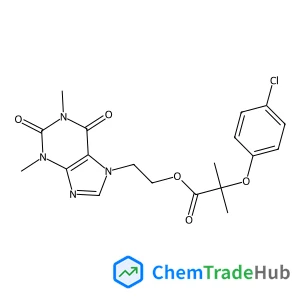
2-(1,3-Dimethyl-2,6-dioxo-1,2,3,6-tetrahydro-7H-purin-7-yl)ethyl 2-(4-chlorophenoxy)-2-methylpropanoate(CAS: 9003-97-8)
CAS Number
Related Products
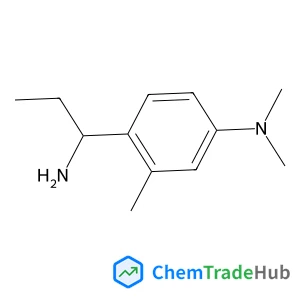
Hydroxypropyl Cellulose
CAS Number: 9004-64-2
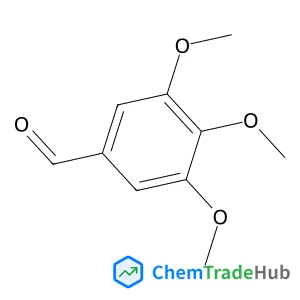
3,4,5-Trimethoxybenzaldehyde
CAS Number: 86-81-7
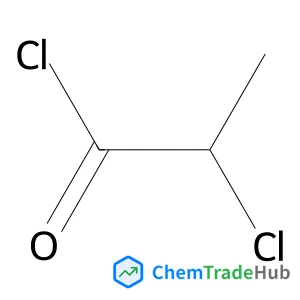
2-chloropropanoyl chloride
CAS Number: 7623-09-8
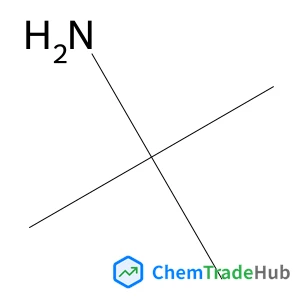
2-Methyl-2-propanamine
CAS Number: 75-64-9

1,1,1-Triethoxyethane
CAS Number: 78-39-7
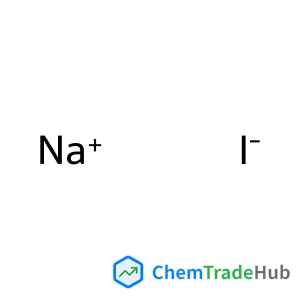
Sodium iodide
CAS Number: 7681-82-5

Potassium iodide
CAS Number: 7681-11-0
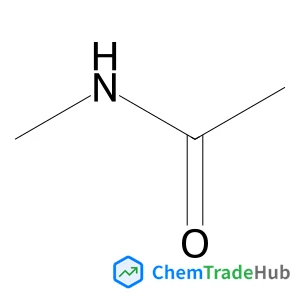
N-Methylacetamide
CAS Number: 79-16-3
Chloroacetyl Chloride
CAS Number: 79-04-9
Other Suppliers for 2-(1,3-Dimethyl-2,6-dioxo-1,2,3,6-tetrahydro-7H-purin-7-yl)ethyl 2-(4-chlorophenoxy)-2-methylpropanoate



Basic Information
Molecular Formula
C19H21ClN4O5
Molecular Weight
420.85 g/mol
EINECS
1308068-626-2
Chemical Identifiers
SMILES
CC(C)(C(=O)OCCn1cnc2c1c(=O)n(c(=O)n2C)C)Oc3ccc(cc3)Cl
InChIKey
KYAKGJDISSNVPZ-UHFFFAOYSA-N
Database References
FAQ
This compound has a crystalline form with a molecular weight of approximately 482.2 g/mol. It is moderately soluble in organic solvents such as ethanol and acetone. Chemically, it is relatively stable but can react with strong bases. It is used in various applications due to its unique chemical properties.
This compound is synthesized via a multi-step process involving the coupling of a purine derivative with an acyl chloride. The reaction is catalyzed by a suitable base and proceeds under mild conditions, yielding a high purity product with good selectivity and yield. The specific conditions and reagents used may vary depending on the process conditions chosen.
This compound is primarily used in the pharmaceutical industry for the development of new drugs. It is also explored in the field of sensors for its potential analytical applications. Additionally, it may have potential uses in the polymer industry for specific applications requiring its chemical properties.
When handling this compound, it is important to wear appropriate personal protective equipment (PPE) including gloves, goggles, and a lab coat. Work should be conducted in a fume hood to minimize exposure. Spills should be cleaned up using an appropriate solvent, and the area should be well-ventilated. For detailed safety information, consult the Safety Data Sheet (SDS) for this compound.
Safety Notice
Please verify product specifications and safety data before use. Contact the supplier for detailed safety information.
Always follow proper handling procedures
Contact Information
yaojianyong@xhzy.com