



AD
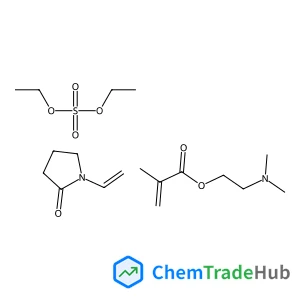
diethyl sulfate; 2-dimethylaminoethyl 2-methylprop-2-enoate; 1-vinylpyrrolidin-2-one(CAS: 53633-54-8)
CAS Number
Related Products
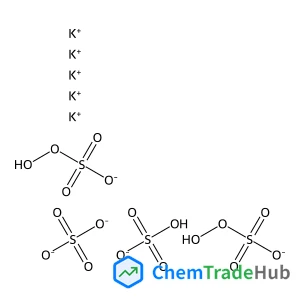
Potassium peroxymonosulfate sulfate
CAS Number: 70693-62-8
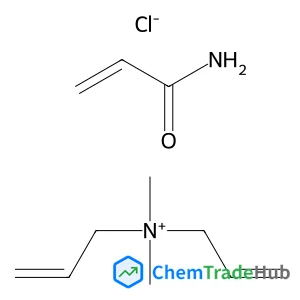
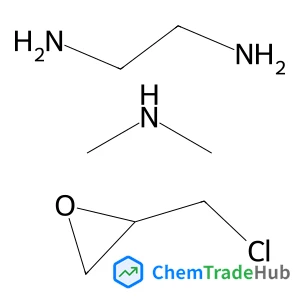
Polyquaternium 7
CAS Number: 26590-05-6
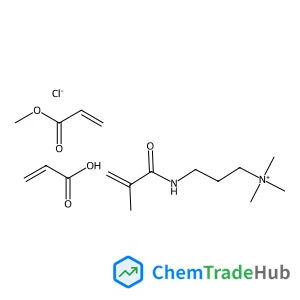
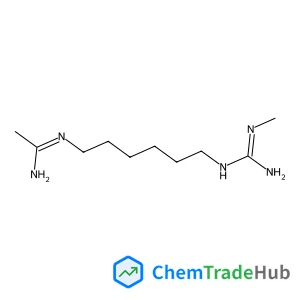
Polyquaternium-47
CAS Number: 197969-51-0
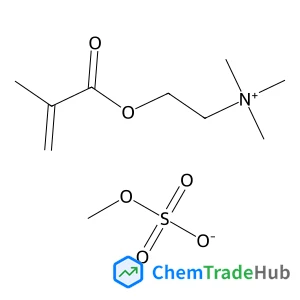
POLYQUATERNIUM-14
CAS Number: 27103-90-8
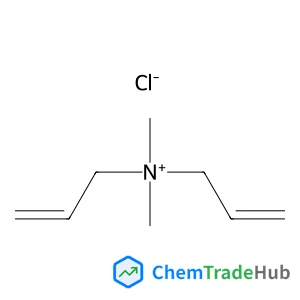
![4-O-[3,4-Bis-O-(2-hydroxyethyl)-alpha-D-glucopyranosyl]-6-O-(hydroxymethyl)-2-O-{2-[2-hydroxy-3-(trimethylammonio)propoxy]ethyl}-beta-D-glucopyranose chloride](https://static.chemtradehub.com/structs/818/81859-24-7-eca1.webp)
Other Suppliers for diethyl sulfate; 2-dimethylaminoethyl 2-methylprop-2-enoate; 1-vinylpyrrolidin-2-one




Basic Information
Molecular Formula
C18H34N2O7S
Molecular Weight
422.54 g/mol
Physical Properties
Melting Point
187 °C at 760 mmHg
Boiling Point
70.6 °C
Density
1.05 g/mL at 25 °C
Flash Point
70.6°C
Chemical Identifiers
SMILES
CCOS(=O)(=O)OCC.CC(=C)C(=O)OCCN(C)C.C=CN1CCCC1=O
InChIKey
XXJPSODUGQZOHA-UHFFFAOYSA-N
Database References
MDL Number
MFCD00284283
FAQ
Diethyl sulfate (CAS: 53633-54-8) falls under the purview of the Globally Harmonized System of Classification and Labelling of Chemicals (GHS), which includes hazard communication, storage, and handling. Specific regulations are also covered under REACH in the EU, requiring manufacturers and importers to register substances with the European Chemicals Agency. In the US, the Environmental Protection Agency (EPA) and the Food and Drug Administration (FDA) have requirements for handling and disposing of this chemical. Compliance with these regulations is essential to ensure safety and legal compliance.
Yes, there are alternatives to diethyl sulfate (CAS: 53633-54-8) in synthesis. Common substitutes include ethyl acetate and tert-butyl chloride, which are often used in similar reactions. These alternatives can offer better safety profiles, lower toxicity, and fewer environmental concerns. However, the choice of alternative depends on the specific reaction conditions and the desired product characteristics.
The market for diethyl sulfate (CAS: 53633-54-8) is relatively stable, with ongoing research focusing on its use in medicinal chemistry and organic synthesis. Recent trends indicate a growing interest in exploring its applications in the development of new drugs and materials. However, due to safety and environmental concerns, there is a parallel trend towards the development and use of safer alternatives. This trend is expected to influence the future demand for diethyl sulfate.
Waste containing diethyl sulfate (CAS: 53633-54-8) should be handled with caution. Collection should be done in a well-ventilated area and in proper containers. Incineration is a common method for disposal, but it must be conducted in a controlled environment to prevent the release of harmful gases. Alternatively, professional waste disposal services can handle the waste safely. Environmental protection measures include ensuring that no waste is released into water bodies or soil. Compliance with local regulations is crucial to ensure proper disposal and minimize environmental impact.
Safety Notice
Please verify product specifications and safety data before use. Contact the supplier for detailed safety information.
Always follow proper handling procedures
Contact Information
Contact Person
Chen Hua
chen.hua@saianchem.com