



AD
4-Methoxybiphenyl(CAS: 613-37-6)
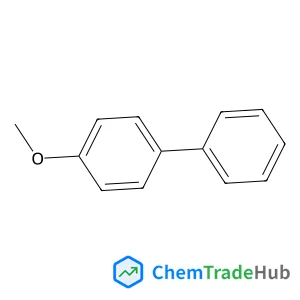
CAS Number
Related Products
![4-Sulfothiacalix[4]arene sodium salt](https://static.chemtradehub.com/structs/211/211561-04-5-c419.webp)
4-Sulfothiacalix[4]arene sodium salt
CAS Number: 211561-04-5
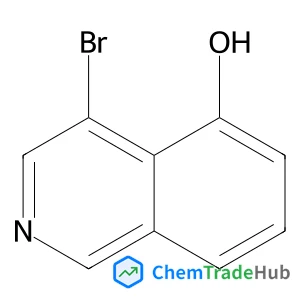
4-Bromoisoquinolin-5-ol
CAS Number: 651310-41-7
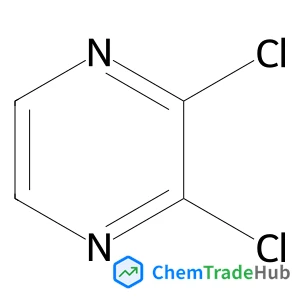
2,3-dichloropyrazine
CAS Number: 4858-85-9
![3-[4-(Aminomethyl)-1,3-thiazol-2-yl]aniline](https://static.chemtradehub.com/structs/885/885280-76-2-68fa.webp)
![Sodium 6-methyl-2-thioxo-5,6,7,8-tetrahydro-2H-pyrido[4,3-d]pyrimidin-4a-ide](https://static.chemtradehub.com/structs/125/1255717-42-0-d896.webp)
![{(2S,6R)-4-Benzyl-6-[(benzyloxy)methyl]-2-morpholinyl}methanol](https://static.chemtradehub.com/structs/158/1581750-87-9-8b86.webp)
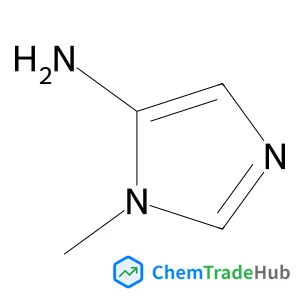
1-Methyl-1H-imidazol-5-amine
CAS Number: 66787-75-5
![(1R)-2-{[(2-Methyl-2-propanyl)oxy]carbonyl}-5-(methylsulfonyl)-1-isoindolinecarboxylic acid](https://static.chemtradehub.com/structs/210/2101238-70-2-41e6.webp)
Other Suppliers for 4-Methoxybiphenyl







Basic Information
Molecular Formula
C13H12O
Molecular Weight
184.24 g/mol
Physical Properties
Melting Point
87.0 to 90.0 deg-C
Boiling Point
157°C/9.8mmHg
Density
1.0278
Flash Point
157°C/10mm
Chemical Identifiers
SMILES
COC1=CC=C(C=C1)C2=CC=CC=C2
InChIKey
RHDYQUZYHZWTCI-UHFFFAOYSA-N
Database References
MDL Number
MFCD00014897
Beilstein Registry Number
2043157
FAQ
4-Methoxybiphenyl (CAS: 613-37-6) falls under the European Union’s REACH regulations, which require manufacturers and importers to register substances based on their tonnage. It is also regulated by the Occupational Safety and Health Administration (OSHA) in the United States, and the Chemicals Control Regulation (CCR) in the U.S. Environmental Protection Agency (EPA) for environmental and health considerations. Additionally, it adheres to the Globally Harmonized System of Classification and Labelling of Chemicals (GHS) for proper hazard communication.
While 4-Methoxybiphenyl (CAS: 613-37-6) is a versatile compound, alternatives include 4-Hydroxybiphenyl and 4-Nitrobiphenyl. These can be used as substitutes in certain synthetic pathways, depending on the desired properties and reaction conditions. Common alternative reagents include carboxylic acids and phenols, which can serve as precursors in the synthesis of similar compounds.
The market for 4-Methoxybiphenyl (CAS: 613-37-6) is growing due to its application in the production of dyes, pharmaceuticals, and as a precursor in organic synthesis. Research trends are focused on its use in developing new compounds with enhanced properties and on environmental studies to understand its impact. The increasing demand in the pharmaceutical and dye industries is driving the market, while ongoing research is exploring its potential in developing novel materials and drugs.
Waste containing 4-Methoxybiphenyl (CAS: 613-37-6) should be collected in a sealed, leak-proof container and stored in a well-ventilated area. It should be disposed of through professional waste disposal services that comply with local regulations. Incineration is a common method, but it must be done under controlled conditions to minimize environmental impact. Proper disposal should include neutralization of any acidic or basic components and adherence to all safety and environmental protection precautions.
Safety Notice
Please verify product specifications and safety data before use. Contact the supplier for detailed safety information.
Always follow proper handling procedures

Contact Information
3004779232@qq.com
Mobile
18013972705
Telephone
025-66061636
Visit Website
http://www.aikonchem.com/