



AD
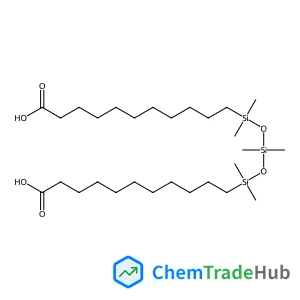
11,11'-(1,1,3,3,5,5-Hexamethyl-1,5-trisiloxanediyl)diundecanoic acid(CAS: 58130-04-4)
CAS Number
Related Products
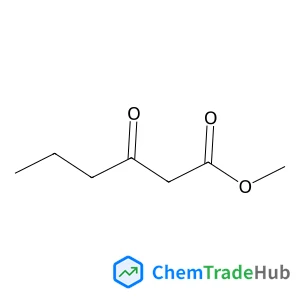
Atorvastatin Impurity 103
CAS Number: 30414-54-1
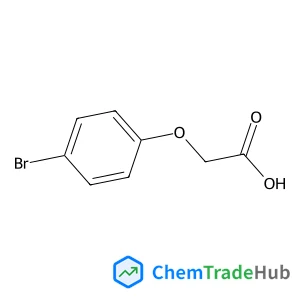
(4-Bromophenoxy)acetic acid
CAS Number: 1878-91-7
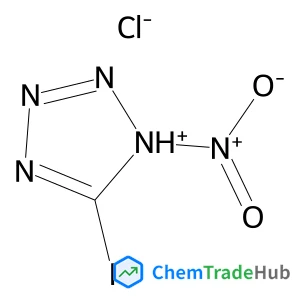
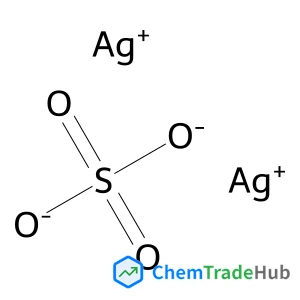
Silver Sulfate
CAS Number: 10294-26-5
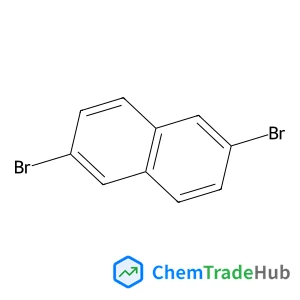
2,6-Dibromonaphthalene
CAS Number: 13720-06-4
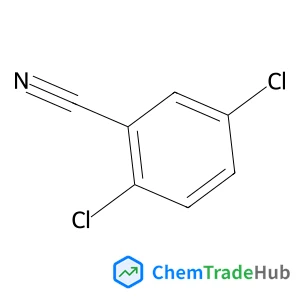
2,5-Dichlorobenzonitrile
CAS Number: 21663-61-6
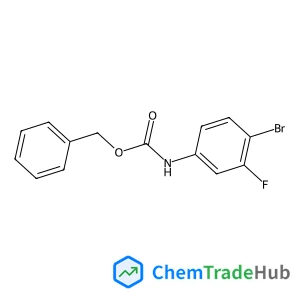
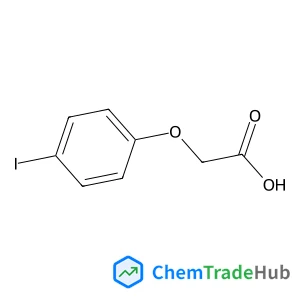
(4-Iodophenoxy)acetic acid
CAS Number: 1878-94-0
![1-[2-(1-Azocanyl)ethyl]guanidine sulfate (1:1)](https://static.chemtradehub.com/structs/645/645-43-2-650e.webp)
Other Suppliers for 11,11'-(1,1,3,3,5,5-Hexamethyl-1,5-trisiloxanediyl)diundecanoic acid





Basic Information
Molecular Formula
C28H60O6Si3
Molecular Weight
577.04 g/mol
Physical Properties
Melting Point
<-60°C
Boiling Point
>205°C
Density
0,96 g/cm3
Flash Point
>205°C
Chemical Identifiers
SMILES
C[Si](C)(CCCCCCCCCCC(=O)O)O[Si](C)(C)O[Si](C)(C)CCCCCCCCCCC(=O)O
InChIKey
XHTPIXXHZHNLQM-UHFFFAOYSA-N
Database References
MDL Number
MFCD01091067
FAQ
The compound is regulated under the Globally Harmonized System of Classification and Labelling of Chemicals (GHS) and is classified as a skin and eye irritant. In the European Union, it is also subject to the REACH regulations, requiring registration for quantities above 1 ton per year. The FDA and EPA may also have specific labeling and reporting requirements for commercial and consumer products containing this compound.
Yes, there are alternative reagents used in synthesis. For example, hexamethyldisiloxane and undecanoic acid can be used as precursors to synthesize similar compounds. Other alternatives include using different siloxane linkers or varying the length of the alkyl chain in the carboxylic acid portion.
The market for this compound is growing due to increasing demand in the pharmaceutical and medical industries. Research trends are focused on its application in drug delivery systems and as a component in biomedical polymers. Economic trends show stable prices with minor fluctuations, influenced by supply and demand dynamics in these sectors.
Waste containing this compound should be collected in properly labeled containers and stored in a secure, well-ventilated area. It can be disposed of through professional waste disposal services that follow environmental protection regulations. Incineration is an effective method for disposal, but it must be conducted in compliance with local environmental regulations to prevent pollution. Proper handling and disposal are crucial to ensure safety and environmental protection.
Safety Notice
Please verify product specifications and safety data before use. Contact the supplier for detailed safety information.
Always follow proper handling procedures
Contact Information
2189484023@qq.com