



AD
Bismuth(3+) trichloride(CAS: 7787-60-2)
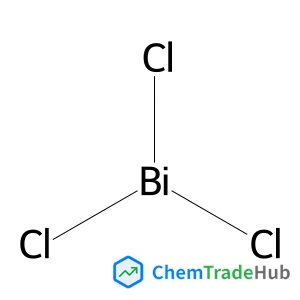
CAS Number
Related Products
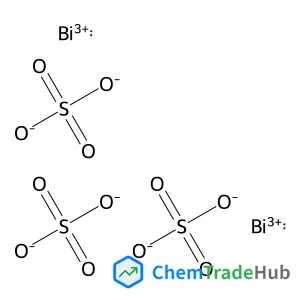
Bismuth(3+) sulfate (2:3)
CAS Number: 7787-68-0

Gadolinium
CAS Number: 7440-54-2



Oxotellane oxide
CAS Number: 7446-07-3

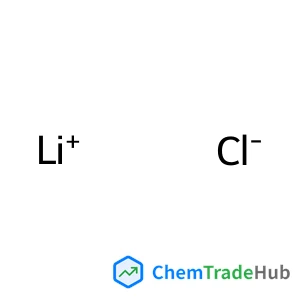
Lithium chloride
CAS Number: 7447-41-8
Other Suppliers for Bismuth(3+) trichloride




Basic Information
Molecular Formula
BiCl3
Molecular Weight
315.33 g/mol
Physical Properties
Melting Point
230-232 °C (lit.)
Boiling Point
447 °C(lit.)
Density
4.75
Flash Point
430°C
Chemical Identifiers
SMILES
Cl[Bi](Cl)Cl
InChIKey
QJWNFCZARGUHFM-UHFFFAOYSA-K
Database References
MDL Number
MFCD00003461
FAQ
Bismuth(3+) trichloride is a chemical compound with the formula BiCl₃. It is a white crystalline solid that is typically hygroscopic and has a high melting point. This compound is known for its ability to act as a Lewis acid and is often used in chemical synthesis and analytical chemistry due to its reactivity and unique properties.
Bismuth(3+) trichloride is primarily used in the pharmaceutical industry as a precursor for the synthesis of various drugs. It also finds applications in the production of bismuth-based materials, as a catalyst in organic reactions, and in research for developing new compounds. Its properties make it valuable in both industrial and laboratory settings.
Bismuth(3+) trichloride is generally considered safe when handled properly, but it can be toxic if ingested or inhaled in large quantities. Protective measures such as gloves, goggles, and a well-ventilated area are recommended during handling. Safety standards emphasize avoiding direct contact and following proper disposal protocols to ensure environmental and health safety.
Bismuth(3+) trichloride should be stored in a cool, dry, and well-ventilated place, away from moisture and light. It is best kept in a sealed container made of materials resistant to corrosion, such as glass or plastic. Storage conditions should maintain a temperature below 25°C and humidity levels below 60% to ensure stability and prevent degradation.
Safety Notice
Please verify product specifications and safety data before use. Contact the supplier for detailed safety information.
Always follow proper handling procedures
Contact Information
hhsmelt@hotmail.com