



AD
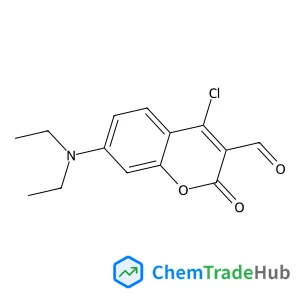
4-Chloro-7-(diethylamino)-2-oxo-2H-chromene-3-carbaldehyde(CAS: 136918-66-6)
CAS Number
Related Products
![(2R)-2,7,8-Trimethyl-2-[(4R,8R)-4,8,12-trimethyltridecyl]-6-chromanol](https://static.chemtradehub.com/structs/54-/54-28-4-155c.webp)
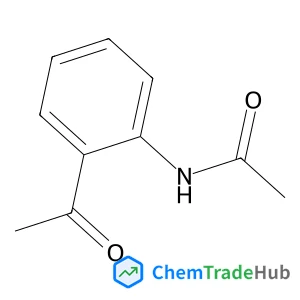
N-(2-Acetylphenyl)acetamide
CAS Number: 5234-26-4
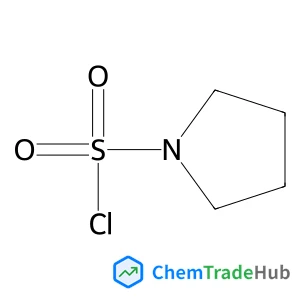
1-Pyrrolidinesulfonyl chloride
CAS Number: 1689-02-7
![3-Hexyl-2-[3-(3-hexyl-1,3-benzoxazol-2(3H)-ylidene)-1-propen-1-yl]-1,3-benzoxazol-3-ium iodide](https://static.chemtradehub.com/structs/532/53213-82-4-e483.webp)

4-Bromoaniline hydrochloride (1:1)
CAS Number: 624-19-1
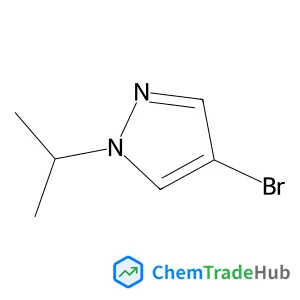
4-Bromo-1-isopropyl-1H-pyrazole
CAS Number: 313735-62-5
Other Suppliers for 4-Chloro-7-(diethylamino)-2-oxo-2H-chromene-3-carbaldehyde



Basic Information
Molecular Formula
C14H14ClNO3
Molecular Weight
279.72 g/mol
Chemical Identifiers
SMILES
CCN(CC)c1ccc2c(Cl)c(C=O)c(=O)oc2c1
InChIKey
CYXXVTLWYIGJJW-UHFFFAOYSA-N
Database References
MDL Number
MFCD00232978
FAQ
4-Chloro-7-(diethylamino)-2-oxo-2H-chromene-3-carbaldehyde (CAS: 136918-66-6) falls under various regulatory guidelines including GHS classification for hazardous chemicals, REACH regulations in the EU for placing substances and mixtures on the market, and FDA/EPA requirements for toxicological and environmental safety assessments. It is classified as a hazardous substance in the GHS system, with specific handling and storage requirements to ensure worker safety and environmental protection.
Alternatives to 4-Chloro-7-(diethylamino)-2-oxo-2H-chromene-3-carbaldehyde (CAS: 136918-66-6) in synthesis include related chromene derivatives with different substituents, such as 2,3-dichloro-7-(diethylamino)-2H-chromene-3-carbaldehyde or 4-bromo-7-(diethylamino)-2-oxo-2H-chromene-3-carbaldehyde. These can be synthesized using similar synthetic routes but with variations in reagents and conditions to achieve the desired product.
The market for 4-Chloro-7-(diethylamino)-2-oxo-2H-chromene-3-carbaldehyde (CAS: 136918-66-6) is driven by its use in organic synthesis, particularly in the preparation of bioactive compounds and pharmaceutical intermediates. Research trends are focused on developing more efficient synthesis methods and exploring its potential in drug discovery and development. Additionally, there is growing interest in the environmental and toxicological profiles of this compound as regulatory requirements become more stringent.
Waste containing 4-Chloro-7-(diethylamino)-2-oxo-2H-chromene-3-carbaldehyde (CAS: 136918-66-6) should be collected in leak-proof containers and handled according to local waste management regulations. Incineration is a common method for disposal, provided it is conducted in an environmentally controlled incinerator. For liquid waste, professional waste disposal services should be utilized. Always follow safety protocols and ensure that proper precautions are taken to prevent environmental contamination and protect human health.
Safety Notice
Please verify product specifications and safety data before use. Contact the supplier for detailed safety information.
Always follow proper handling procedures
