



AD
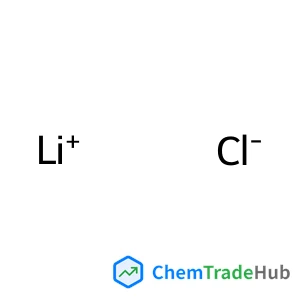
Lithium chloride(CAS: 7447-41-8)
CAS Number
Related Products
![0.1mol/L Sodium Thiosulfate Solution [CRM]](https://static.chemtradehub.com/structs/777/7772-98-7-a5e2.webp)
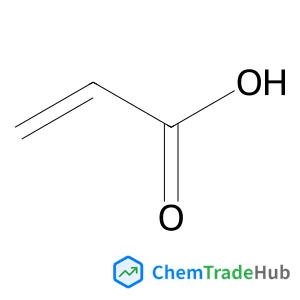
Acrylic acid
CAS Number: 9003-01-4
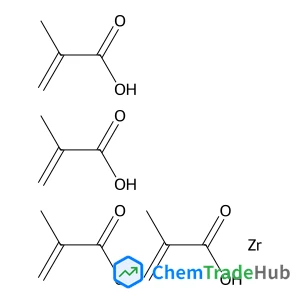
Methacrylic acid (zirconium salt)
CAS Number: 84057-81-8
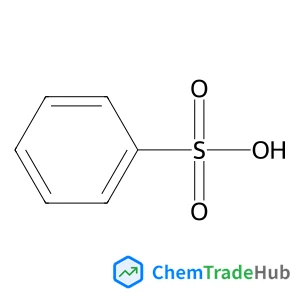
Benzenesulfonic Acid
CAS Number: 98-11-3
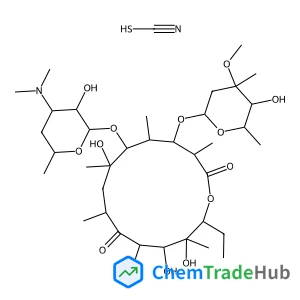
Erythromycin Thiocyanate
CAS Number: 7704-67-8
2-Chlorobenzaldehyde
CAS Number: 89-98-5
Polyvinylpyrrolidone
CAS Number: 9003-39-8
1-ethenylpyrrolidin-2-one
CAS Number: 88-12-0
1,2,4,5-Benzenetetracarboxylic acid
CAS Number: 89-05-4
Other Suppliers for Lithium chloride



Basic Information
Molecular Formula
ClLi
Molecular Weight
42.39 g/mol
Physical Properties
Melting Point
605 °C (lit.)
Boiling Point
1383 °C/1 atm(lit.)
Density
0.913 g/mL at 25 °C
Water Solubility
832 g/L (20 ºC)
Chemical Identifiers
SMILES
[Li+].[Cl-]
InChIKey
KWGKDLIKAYFUFQ-UHFFFAOYSA-M
Database References
MDL Number
MFCD00149764
FAQ
Lithium chloride (CAS: 7447-41-8) is a white, hygroscopic inorganic salt with the chemical formula LiCl. It is highly soluble in water and has a salty, metallic taste. Known for its deliquescent nature, it is commonly used in chemical applications and industrial processes due to its unique properties as a lithium compound.
Lithium chloride (CAS: 7447-41-8) is widely used in pharmaceuticals as a mood stabilizer, in industrial settings for air drying and manufacturing other lithium compounds, in the food industry as a permitted additive, and in research for electrolyte solutions and chemical synthesis. It also serves as a flux in metallurgy and a drying agent in organic chemistry.
Lithium chloride (CAS: 7447-41-8) is generally recognized as safe (GRAS) in food at regulated levels. However, it is toxic if ingested in high amounts and can cause skin and eye irritation. Proper handling with protective gear and adherence to safety standards like OSHA and EPA guidelines are essential to ensure safe use in industrial and research contexts.
Lithium chloride (CAS: 7447-41-8) should be stored in airtight, moisture-proof containers in a cool, dry place away from light. Due to its hygroscopic nature, it must be kept dry to prevent clumping and degradation. Storage conditions should maintain stability, typically at temperatures below 25°C and humidity levels below 60% to ensure longevity and safety.
Safety Notice
Please verify product specifications and safety data before use. Contact the supplier for detailed safety information.
Always follow proper handling procedures
Contact Information
sales3@friendsunion.com