



AD
2-methyl-1-(2-methylpropyl)-1H-imidazole(CAS: 116680-33-2)
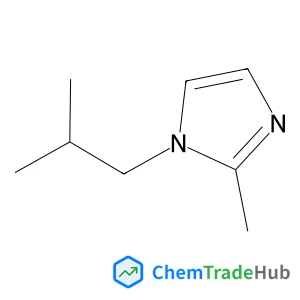
CAS Number
Related Products
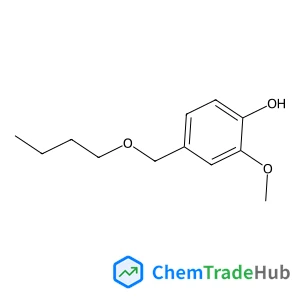
4-(Butoxymethyl)-2-methoxyphenol
CAS Number: 82654-98-6
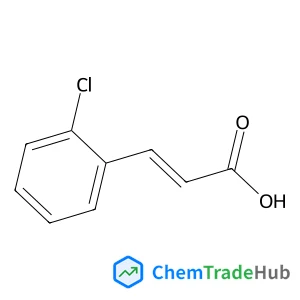
3-(2-Chlorophenyl)acrylic acid
CAS Number: 3752-25-8
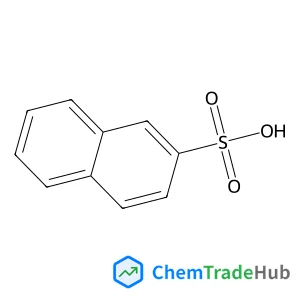
2-Naphthalenesulfonic acid
CAS Number: 120-18-3
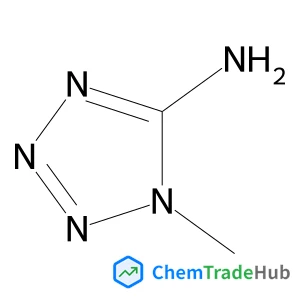
1-Methyl-1H-tetrazol-5-amine
CAS Number: 5422-44-6

Sodium tetrafluoroborate
CAS Number: 13755-29-8
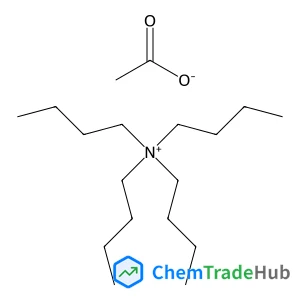
N,N,N-Tributyl-1-butanaminium acetate
CAS Number: 10534-59-5
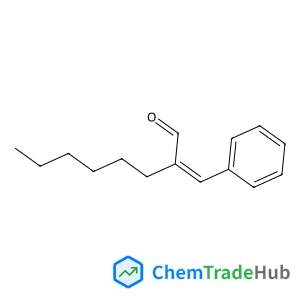
2-(phenylmethylidene)octanal
CAS Number: 101-86-0
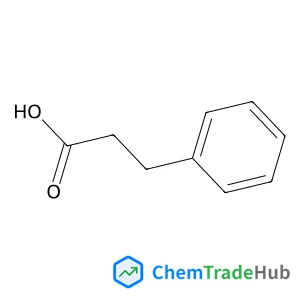
3-Phenylpropanoic acid
CAS Number: 501-52-0
Other Suppliers for 2-methyl-1-(2-methylpropyl)-1H-imidazole



Basic Information
Molecular Formula
C8H14N2
Molecular Weight
138.21 g/mol
Chemical Identifiers
SMILES
CC1=NC=CN1CC(C)C
InChIKey
SVNWKKJQEFIURY-UHFFFAOYSA-N
Database References
MDL Number
MFCD18840772
FAQ
2-methyl-1-(2-methylpropyl)-1H-imidazole is a solid with a crystalline form. The molecular weight is approximately 174.28 g/mol. It has a low solubility in water but is more soluble in organic solvents like ethanol and acetone. Chemically, it is relatively stable, but it can react with strong acids and bases. It has potential applications in pharmaceuticals and as a chemical intermediate.
2-methyl-1-(2-methylpropyl)-1H-imidazole is commonly synthesized through the condensation of appropriate precursors like substituted methyl propylamines with imidic acid derivatives. The reaction is usually catalyzed by a Lewis acid, such as boron trifluoride, and proceeds with good yield and selectivity. Detailed procedures can be found in chemical literature and patents.
2-methyl-1-(2-methylpropyl)-1H-imidazole finds applications in pharmaceuticals, where it is used as an intermediate in drug synthesis, and in the polymer industry for enhancing the properties of certain polymers. It can also be used in sensors and as an additive in electronic materials. Its versatility in chemical processes makes it a valuable compound in various industries.
When handling 2-methyl-1-(2-methylpropyl)-1H-imidazole, use appropriate personal protective equipment (PPE) such as gloves, safety goggles, and a lab coat. Store in a cool, dry place away from incompatible materials like acids and bases. Use a fume hood for handling to minimize inhalation risk. In case of a spill, immediately clean up the area and consult the Safety Data Sheet (SDS) for further instructions. Ensure proper ventilation and avoid contact with skin and eyes.
Safety Notice
Please verify product specifications and safety data before use. Contact the supplier for detailed safety information.
Always follow proper handling procedures
Contact Information
2355935181@ycphar.com