



AD
(2Z)-4,4,4-Trifluoro-2-buten-1-ol(CAS: 83706-98-3)

CAS Number
Related Products
![3-[4-Fluoro-2-(trifluoromethyl)phenyl]propanoic acid](https://static.chemtradehub.com/structs/916/916420-73-0-ee37.webp)

2-(4-Fluorobenzyl)-5-pyrimidinamine
CAS Number: 1152557-45-3

![Methyl [4-cyano-3-(3-thienyl)-1H-pyrazol-1-yl]acetate](https://static.chemtradehub.com/structs/209/2098083-01-1-68bf.webp)
![3-[4-Cyclopentyl-5-(methylsulfanyl)-4H-1,2,4-triazol-3-yl]-1-propanamine hydroiodide (1:1)](https://static.chemtradehub.com/structs/119/1197609-28-1-10f2.webp)

2-Ethynyl-4-methoxypyridine
CAS Number: 1211533-95-7

N-Cyclopropyl-1H-benzimidazol-2-amine
CAS Number: 941266-08-6

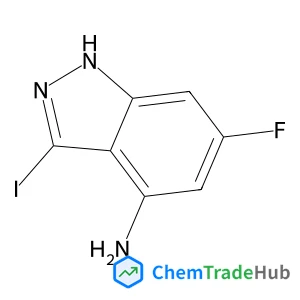
4-AMINO-6-FLUORO-3-IODO (1H)INDAZOLE
CAS Number: 885523-02-4
Other Suppliers for (2Z)-4,4,4-Trifluoro-2-buten-1-ol



Basic Information
Molecular Formula
C4H5F3O
Molecular Weight
126.08 g/mol
Physical Properties
Boiling Point
118.5℃(630 torr)
Chemical Identifiers
SMILES
C(C=CC(F)(F)F)O
InChIKey
UUTWQLLIVDODPQ-UPHRSURJSA-N
Database References
MDL Number
MFCD03092907
FAQ
The compound (2Z)-4,4,4-Trifluoro-2-buten-1-ol (CAS: 83706-98-3) is subject to various regulatory guidelines. Under the Globally Harmonized System of Classification and Labelling of Chemicals (GHS), it may require specific hazard communication labels. In the European Union, it must comply with the Registration, Evaluation, Authorisation and Restriction of Chemicals (REACH) regulations. For food-related applications, it is important to adhere to FDA and EPA guidelines. Companies should consult the latest regulatory updates to ensure compliance.
There are several alternatives to (2Z)-4,4,4-Trifluoro-2-buten-1-ol in synthesis. Commonly used alternatives include isomers of similar structures, such as (1Z)-4,4,4-trifluoro-2-buten-1-ol, and other fluoroalkenes. Synthetic routes may also employ different reagents like trifluoroacetic anhydride or related fluoro-containing reagents. These alternatives can provide similar functionalities while potentially offering improved synthetic utility.
The market for (2Z)-4,4,4-Trifluoro-2-buten-1-ol (CAS: 83706-98-3) is growing due to its applications in pharmaceuticals, agrochemicals, and industrial surfactants. Research trends are focusing on its use in stereoselective synthesis and its environmental impact. As the demand for more sustainable and efficient synthesis methods increases, there is a trend towards developing greener processes for this compound. Additionally, its potential in developing novel materials is an emerging research area, driving market growth.
Waste containing (2Z)-4,4,4-Trifluoro-2-buten-1-ol (CAS: 83706-98-3) should be managed following local and national regulations. Typically, this involves collecting waste in proper containers, ensuring it is labeled with clear hazard information. For disposal, incineration is a common method, but professional waste disposal services should be used to ensure safe and compliant handling. Environmental protection measures include minimizing exposure to air and water during collection and disposal to prevent contamination. Always consult the latest regulatory guidelines for specific disposal procedures.
Safety Notice
Please verify product specifications and safety data before use. Contact the supplier for detailed safety information.
Always follow proper handling procedures
Contact Information
3641133981@qq.com